𝗧𝗵𝗲 𝗖𝗹𝗶𝗻𝗶𝗰 𝗟𝗶𝗴𝗵𝘁𝘀 𝗔𝗿𝗲 𝗧𝗼𝗼 𝗕𝗿𝗶𝗴𝗵𝘁 🏥😬
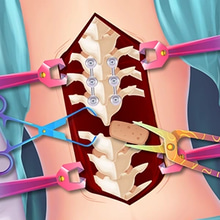
Anna Scoliosis Surgery doesn’t start with explosions or dramatic boss music. It starts with a quiet kind of pressure. The kind where the screen is calm, the tools are lined up, and your brain suddenly whispers, okay… don’t mess this up. On Kiz10, it’s a doctor and surgery simulation game that plays like a guided challenge: you’re not guessing wildly, you’re following steps, choosing instruments, doing small actions in the right order, and trying to keep everything neat enough that the operation feels “successful” in the game’s world. It’s basically a medical mini-game with a princess theme, but the real hook is the rhythm: do the step, do it carefully, move on, repeat. Simple. Suspiciously tense. 😅
And yes, it’s one of those games where you think you’ll breeze through it… until you realize the hardest part is not the controls, it’s your patience. This isn’t a speed game. It’s a calm-hands game. The moment you rush, you’ll feel it. The cursor slips, the timing gets sloppy, and suddenly you’re reacting instead of controlling. That’s when the game gently punishes you with the universal message of surgery simulators: slow down, hero. 🧊🩺
𝗡𝗼𝘁 𝗚𝗼𝗿𝘆, 𝗝𝘂𝘀𝘁 𝗣𝗿𝗲𝗰𝗶𝘀𝗲 ✨🧤
Let’s be clear about the vibe: this is not a graphic horror experience. It’s designed like a friendly, non-realistic procedure game where the focus is step-by-step interaction, not shock. You’ll clean, prepare, use tools, follow on-screen prompts, and complete each phase with the satisfaction of checking a task off a list. It feels more like a procedure puzzle than a scary simulation, which is exactly why it works for a wide audience. Even if you’ve never played a surgery game before, you’ll understand what the game wants from you in seconds.
Still, it manages to create tension in a weirdly effective way. Because when a game says “use the correct tool now,” your brain immediately turns that into a personal challenge. You don’t want to fail. You want to do it clean. You want the operation to look smooth, like you’re a pro, like you totally belong in this cartoon clinic. And the funniest part? The game convinces you you’re responsible. It’s a browser game, but your focus gets real. 😭
𝗧𝗼𝗼𝗹𝘀 𝗢𝗻 𝗮 𝗧𝗿𝗮𝘆, 𝗣𝗮𝗻𝗶𝗰 𝗜𝗻 𝗬𝗼𝘂𝗿 𝗛𝗲𝗮𝗱 🧰🫠
Surgery games live and die by tools, and Anna Scoliosis Surgery leans into that satisfying “pick the right instrument” flow. You’re given clear prompts, but you still have to execute properly. Click here. Drag there. Hold steady. Do this in order. It’s a sequence game disguised as a medical scene, and that’s why it’s addictive: it feels structured. It feels like progress you can see.
You’ll also notice how these games create a fake sense of urgency without actually forcing speed. The patient is there. The clinic is waiting. The next step is highlighted. You feel like you should move fast… but if you do, you get messy. The best runs are the calm ones, where you take half a second to line up the action before you commit. That half second is the difference between “smooth operation” and “why did I click that.” 😬
And once you settle into the flow, it becomes strangely relaxing. It’s the same pleasure as organizing something: you take a situation that looks “wrong,” and you fix it through careful steps until the screen looks clean and complete. That satisfaction is the heart of these doctor games on Kiz10.
𝗧𝗵𝗲 𝗦𝘁𝗲𝗽-𝗯𝘆-𝗦𝘁𝗲𝗽 𝗟𝗼𝗼𝗽: 𝗙𝗼𝗹𝗹𝗼𝘄, 𝗙𝗶𝗻𝗶𝘀𝗵, 𝗙𝗲𝗲𝗹 𝗦𝗺𝗮𝗿𝘁 🧠✅
What makes this scoliosis surgery game work is the guided structure. You’re not thrown into a confusing sandbox. The game is more like a sequence of mini tasks, each one building toward the final goal. Prep. Clean. Use the right item. Complete the action. Move forward. It’s satisfying because it’s clear. You always know what “good” looks like.
And that clarity creates replay value in a quiet way. Even if you finish once, you might replay just to do it cleaner, faster, smoother. Not because you need to grind anything, but because it’s satisfying to feel in control. You’ll catch yourself thinking, okay, last time I hesitated on that step, this time I’ll do it perfectly. That’s the little gamer pride trap. These games are small, but your ego shows up anyway. 😤✨
Also, the game has that classic princess-doctor energy: serious task, friendly presentation. The contrast is what makes it easy to play. It feels like a challenge, but not a heavy one. It’s pressure without stress overload.
𝗖𝗮𝗹𝗺 𝗛𝗮𝗻𝗱𝘀 𝗪𝗶𝗻 🧊🖱️
If you want a tiny strategy layer, it’s this: treat it like precision, not speed. The better you control your movements, the smoother the steps feel. Don’t chase the prompt like it’s running away. Set your cursor, commit, finish. The game rewards stability.
You’ll also notice your brain adapting fast. At first you’re reading every instruction like it’s a contract. Then you start anticipating what comes next. Clean, then tool, then action, then check. That shift feels good because it makes you feel competent. You go from “I hope I do this right” to “I know the routine.” That’s the quiet power fantasy of medical simulator games: competence as a reward. 🩺😌
And when you mess up, it doesn’t feel like a brutal failure. It feels like a quick correction. You try again, you steady up, you move on. That makes it accessible, especially for players who like casual doctor games, hospital mini-games, and procedure simulations that are more about focus than difficulty spikes.
𝗧𝗵𝗲 𝗙𝗶𝗻𝗶𝘀𝗵: 𝗧𝗵𝗮𝘁 𝗟𝗶𝘁𝘁𝗹𝗲 “𝗪𝗲 𝗗𝗶𝗱 𝗜𝘁” 𝗠𝗼𝗺𝗲𝗻𝘁 🌟🙂
The ending payoff in games like this is simple but effective: you complete the steps, the situation is resolved, and everything looks better than when you started. It’s that before-and-after satisfaction that makes cleanup games, makeover games, and surgery simulation games so popular. You didn’t just click around. You followed the process. You finished the “case.” You fixed the problem inside the game’s story.
And honestly, that’s why Anna Scoliosis Surgery fits so well on Kiz10. It’s quick to start, easy to understand, and satisfying in that orderly, step-based way. It’s a princess doctor game with a medical mini-game core, and it’s perfect for players who like guided procedures, tool-based gameplay, and that calm tension of doing things carefully.
You won’t leave with real medical knowledge, and you don’t need to. What you leave with is that tiny sense of accomplishment: I stayed calm, I followed the steps, I finished the operation. And that’s enough to make you click “play” again on another surgery case, because now you’re in the mood for more controlled chaos. 🩺✨





 Share
Share
 Embed
Embed


