𝐓🌾 𝐓𝐡𝐞 𝐜𝐨𝐮𝐧𝐭𝐫𝐲 𝐥𝐨𝐨𝐤𝐬 𝐜𝐚𝐥𝐦 𝐮𝐧𝐭𝐢𝐥 𝐲𝐨𝐮 𝐬𝐭𝐚𝐫𝐭 𝐥𝐨𝐨𝐤𝐢𝐧𝐠 𝐜𝐥𝐨𝐬𝐞𝐫
Gone Country begins with the kind of mood that feels harmless at first. A rural setting, a slower life, old tools, weathered houses, forgotten corners, maybe a fence that has seen better decades. It all sounds peaceful, right? Almost too peaceful. And that is exactly where a good hidden object game starts doing its real work. The trick is never in loud action. It is in making you stare at a simple scene long enough to realize it is absolutely packed with secrets. Suddenly a porch is not just a porch. It is a battlefield of tiny details. A barn is not a building. It is a wooden conspiracy. A stack of country supplies becomes a visual ambush designed to make one missing item blend in like it was born there. Gone Country has the perfect title for that kind of experience because it suggests distance, escape, and rustic calm, while the hidden object gameplay quietly turns all of it into a test of attention, patience, and your ability to spot one impossible little shape hiding in a sea of perfectly innocent farm clutter.
𝐇🔎 𝐇𝐢𝐝𝐝𝐞𝐧 𝐨𝐛𝐣𝐞𝐜𝐭 𝐠𝐚𝐦𝐞𝐬 𝐚𝐫𝐞 𝐫𝐞𝐚𝐥𝐥𝐲 𝐚𝐛𝐨𝐮𝐭 𝐭𝐫𝐮𝐬𝐭 𝐢𝐬𝐬𝐮𝐞𝐬
That is the magic of this genre. Gone Country does not need explosions, boss fights, or frantic combat to get under your skin. It just needs a scene full of ordinary things and a short list of objects that suddenly become maddeningly hard to find. That is how hidden object games mess with you. They turn normal vision into suspicious vision. You stop looking at the screen like a player and start looking at it like a detective with mild rural paranoia. Is that a lantern, or part of the wallpaper? Is that rope actually rope, or some decorative nonsense pretending to matter? Why is the one thing you need always hiding behind the most visually rude pile of country junk imaginable? These are important questions. Gone Country feels like the kind of game that thrives on that slow-burning irritation in the best possible way. Not unfair irritation. The fun kind. The kind where you know the item is there, you know your eyes have passed over it three times already, and yet somehow the game keeps winning for another thirty seconds.
𝐅🚜 𝐅𝐚𝐫𝐦𝐥𝐚𝐧𝐝, 𝐬𝐡𝐞𝐝𝐬, 𝐚𝐧𝐝 𝐝𝐞𝐭𝐚𝐢𝐥𝐬 𝐭𝐡𝐚𝐭 𝐚𝐛𝐬𝐨𝐥𝐮𝐭𝐞𝐥𝐲 𝐝𝐨 𝐧𝐨𝐭 𝐰𝐚𝐧𝐭 𝐭𝐨 𝐛𝐞 𝐟𝐨𝐮𝐧𝐝
The country setting matters a lot here. Hidden object games live on atmosphere, and a rural backdrop gives them wonderful textures to play with. Old wood, gardening tools, crates, boots, leaves, lanterns, ropes, buckets, faded signs, dusty windows, wild corners of neglected land, all of it creates the kind of visual density this genre loves. Country scenes are messy in a beautiful way. They do not feel sterile. They feel lived in. And that lived-in chaos is exactly what makes searching more satisfying. You are not scanning clean puzzle shapes floating on a blank background. You are exploring places that feel filled with history, routine, and tiny forgotten stories. Every scene can feel like a snapshot of a life that has been left running in the background while you arrive to dig through the details. That gives Gone Country a stronger identity than a generic seek-and-find game in a random room. The setting adds warmth, but also complication. Rural charm and visual sabotage, hand in hand.
𝐄🪵 𝐄𝐯𝐞𝐫𝐲 𝐬𝐜𝐞𝐧𝐞 𝐛𝐞𝐜𝐨𝐦𝐞𝐬 𝐚 𝐦𝐞𝐬𝐬𝐲 𝐥𝐢𝐭𝐭𝐥𝐞 𝐬𝐭𝐨𝐫𝐲
One of the reasons hidden object games stay addictive is that they quietly create micro-stories inside each environment. Gone Country seems perfect for that style. A broken cart does not just look decorative, it suggests work left unfinished. A farmhouse kitchen full of tools and clutter feels like someone stepped away moments ago. A field-side shed stacked with strange old equipment becomes more than scenery. It feels like evidence of some larger rustic life you are peeking into. That atmosphere makes searching more engaging because your eye is not only hunting objects, it is reading character out of the mess. And when a hidden object game gets that right, every scene feels less like a puzzle screen and more like a place with personality. You are still there to find the missing items, of course, but the background starts doing extra work. It gives the game rhythm. It gives the discoveries a little more flavor. It makes the hunt feel less mechanical and more like poking through a world that has secrets tucked into every corner.
𝐒👀 𝐒𝐥𝐨𝐰 𝐠𝐚𝐦𝐞𝐩𝐥𝐚𝐲, 𝐬𝐡𝐚𝐫𝐩 𝐛𝐫𝐚𝐢𝐧
This is where Gone Country gets properly satisfying. Hidden object games can look passive from the outside, but they are not. They are active in a quieter way. Your eyes are working constantly. Your attention is shifting, scanning, comparing shapes, ignoring distractions, then suddenly locking onto a tiny clue with that excellent little burst of triumph 😌. That feeling never gets old. Especially in a game with a country theme, where so many objects naturally overlap in shape, tone, or texture. A hidden object challenge is basically a war between your pattern recognition and the level designer’s sense of humor. And when the scenes are packed with visually similar clutter, every successful find feels like a small personal victory. Not dramatic, not loud, but weirdly satisfying. Gone Country seems built for players who enjoy that exact pace: calm on the surface, intense in the details.
𝐂🌻 𝐂𝐨𝐳𝐲 𝐯𝐢𝐛𝐞𝐬, 𝐛𝐫𝐮𝐭𝐚𝐥 𝐥𝐢𝐭𝐭𝐥𝐞 𝐦𝐢𝐬𝐬𝐞𝐬
There is also a funny contrast at the heart of games like this. The atmosphere is warm. The setting is familiar. The colors often feel inviting. But the gameplay? Ruthless in small, sneaky ways. Gone Country sounds like the sort of hidden object game that gives you a peaceful environment while quietly attacking your confidence item by item. You miss a simple object and immediately feel betrayed by your own eyesight. You finally find it, and it has been sitting there all along like the scene has been mocking you personally. That emotional swing is part of the genre’s charm. A hidden object game is a constant cycle of “this is relaxing” followed by “how did I not see that fork for a full minute?” Rural games are especially good at this because clutter looks natural there. Nothing feels artificially placed. Everything looks like it belongs. Which is exactly why the missing item becomes so good at disappearing into the background.
𝐑🧩 𝐑𝐞𝐚𝐥𝐥𝐲 𝐠𝐨𝐨𝐝 𝐡𝐢𝐝𝐝𝐞𝐧 𝐨𝐛𝐣𝐞𝐜𝐭 𝐠𝐚𝐦𝐞𝐬 𝐦𝐚𝐤𝐞 𝐲𝐨𝐮 𝐟𝐞𝐞𝐥 𝐬𝐦𝐚𝐫𝐭 𝐚𝐧𝐝 𝐬𝐥𝐢𝐠𝐡𝐭𝐥𝐲 𝐚𝐧𝐧𝐨𝐲𝐞𝐝
That balance is important. If a scene is too easy, the whole thing becomes background noise. If it is too messy, it stops being fun. The sweet spot is when the game keeps you engaged just long enough to make each discovery feel earned. Gone Country has the right title and genre combination for that. It suggests a hidden object adventure that can mix visual comfort with observational pressure. Maybe you are searching through outdoor tools one moment, then scanning a country room full of layered details the next. Maybe the item list keeps changing just enough to stop your eyes from getting lazy. Whatever exact shape the scenes take, the genre works best when it keeps you leaning in a little closer, noticing more than you thought you would, and muttering at the screen like a very serious investigator of misplaced farming equipment. Which, for a few minutes, you absolutely become.
𝐊🐓 𝐊𝐢𝐳𝟏𝟎 𝐩𝐥𝐚𝐲𝐞𝐫𝐬 𝐰𝐡𝐨 𝐥𝐨𝐯𝐞 𝐬𝐞𝐞𝐤-𝐚𝐧𝐝-𝐟𝐢𝐧𝐝 𝐜𝐡𝐚𝐨𝐬 𝐰𝐢𝐥𝐥 𝐬𝐞𝐭𝐭𝐥𝐞 𝐢𝐧 𝐟𝐚𝐬𝐭
On Kiz10, Gone Country fits perfectly for players who enjoy hidden object games that rely more on observation and mood than on speed or action. It has that easy-entry appeal browser games need. You do not spend ten minutes learning systems. You just start searching. But once the search begins, the whole thing can become surprisingly absorbing. A quick session turns into one more scene, one more list, one more stubborn object hiding in the corner of a rural picture that suddenly matters way too much. That is the beauty of a good hidden object game. It does not demand adrenaline. It demands focus. And when the environment is rich enough, that focus becomes its own kind of drama. Not loud drama. Quiet drama with hay bales, old shelves, and one missing item pretending to be invisible.
𝐆🌙 𝐆𝐨𝐧𝐞 𝐂𝐨𝐮𝐧𝐭𝐫𝐲 𝐢𝐬 𝐜𝐚𝐥𝐦, 𝐜𝐥𝐞𝐯𝐞𝐫, 𝐚𝐧𝐝 𝐣𝐮𝐬𝐭 𝐦𝐞𝐚𝐧 𝐞𝐧𝐨𝐮𝐠𝐡
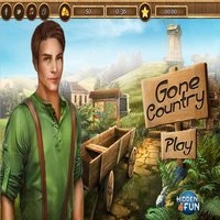
Gone Country on Kiz10 feels like a hidden object game with the perfect rustic disguise. It wraps its challenge in country charm, then quietly tests your eyes, patience, and attention to detail scene after scene. For players who enjoy seek-and-find puzzles, countryside mystery vibes, visual brain teasers, and that very specific satisfaction of spotting the one thing that refused to be found a second earlier, this is exactly the sort of game that sticks. It is cozy without being sleepy, detailed without feeling bloated, and entertaining in that wonderfully stubborn way hidden object games do best. You arrive for the peaceful country mood. You stay because now there is a missing object somewhere in the barn and, frankly, this has become personal 🐔



 4 (5 votes)
 Share
Share
 Embed
Embed