🚀🛡️ REBEL BUSINESS, NO TIME FOR BREATHING
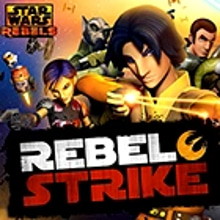
Star Wars Rebels Strike Missions drops you into that specific kind of sci-fi chaos where the plan is always “hit fast, hit hard, leave before the Empire gets angry.” You’re not here to decorate a hangar or stare at stars in peace. You’re here because something went wrong, something is guarded, and your squad needs a messy, heroic solution. On Kiz10, it plays like a mission-based action shooter where every corridor feels like it’s waiting to light up with blaster fire the second you get comfortable. And yes, the game absolutely notices when you get comfortable 😅
The whole vibe is built around quick strikes. Move in, clear enemies, grab what you need, survive the pushback. It’s that Rebels-style rhythm: pressure, improvisation, a tiny moment of relief, then pressure again. The game doesn’t need a giant speech to make you feel like you’re on an urgent operation. The pacing does it. The way danger appears from corners, the way objectives pull you forward, the way you start thinking in short gamer sentences like “peek, shoot, move, don’t stand still, don’t stand still, DON’T STAND STILL.” That becomes the language of the run.
🔫⚡ BLASTER WORK THAT FEELS SHARP AND MEAN
This isn’t a slow aim trainer where you politely line up shots while sipping tea. Star Wars Rebels Strike Missions leans into fast action. You’re firing, repositioning, reacting, and trying to stay alive while the level keeps throwing bodies and obstacles between you and whatever the mission is asking for. The best moments happen when your movement and shooting sync up, when you stop feeling like you’re wrestling the controls and start feeling like you’re clearing rooms with purpose. That’s when it clicks and suddenly you’re not “trying to survive,” you’re hunting angles, controlling lanes, and picking targets like you actually planned this instead of stumbling into it like a space gremlin.
You’ll also notice that the game loves punishing lazy positioning. If you stand in the open too long, you get punished. If you push forward without checking the next corner, you get punished. If you tunnel vision on one enemy while another one is flanking, you get punished. It’s not unfair, it’s just strict. The kind of strict that makes you mutter “okay, okay, I get it” and then immediately do the same mistake again because adrenaline makes everyone a little dumb sometimes 😭
🛰️🎯 MISSIONS THAT KEEP YOU MOVING
The “missions” part matters because it shapes how you play. You’re not only chasing kills, you’re chasing progress. It feels like the game constantly nudges you forward with objectives that create urgency: clear this area, reach that point, survive this wave, break through that blockade energy. Even when the objective is simple, the path is not. That’s where the tension comes from. You know what you want to do, but the level keeps asking, “Can you do it while under pressure?”
And pressure changes decision-making in funny ways. In calm moments you play smart. In tense moments you play brave. In very tense moments you play brave in the stupidest possible direction. That’s the charm. The game creates these little “operation stories” where you remember the run by what went wrong. The hallway where you got pinned. The corner where you overcommitted. The moment you barely survived with a sliver of health and felt your heart do a tiny cartwheel. It’s a browser game, but it can still generate that cinematic panic when everything is firing at once and you’re trying to hold it together like a professional.
🧠🧨 THE REAL SKILL IS CONTROLLED AGGRESSION
A lot of players treat action mission shooters like they’re all speed and chaos, but the best way to survive here is controlled aggression. Move forward, but with awareness. Shoot, but with purpose. Keep momentum, but don’t sprint into a trap just because your brain wants the mission done now. When you find the right rhythm, the gameplay becomes this satisfying push: clear a threat, advance, clear another threat, reset your angle, keep going. It feels like you’re carving a path through hostile territory, not just surviving random waves.
There’s also a sneaky satisfaction in learning when to slow down for half a second. Not to camp. Not to hide forever. Just to read what’s next. That tiny pause before a new room, that micro-check before you cross a dangerous open space, that small decision to reposition instead of stubbornly trading damage. Those choices are what separate a clean run from a messy collapse. And the game makes those moments matter because it’s happy to punish impatience.
🌌😈 AMBIENCE: HEROIC CHAOS WITH A BIT OF DREAD
The Rebels theme gives the action a specific flavor. It’s not just “soldiers in a grey hallway.” It’s scrappy resistance energy. Improvised survival. That feeling of being outgunned but still pushing forward anyway. You get that sense that the Empire has more resources, more bodies, more control… and you have courage, speed, and the ability to cause a very inconvenient explosion at the perfect time. That energy is what makes strike missions fun: you’re not dominating, you’re disrupting.
The atmosphere also feeds the urgency. Sci-fi corridors, harsh lighting, the constant suggestion of surveillance and danger. Even if the game doesn’t drown you in story text, the setting still does the work. You feel like you’re on an operation where being loud is unavoidable and being slow is a mistake. So you move with intent, even when your intent is basically “please let this be the correct direction.”
🚧💥 WHEN THINGS GO WRONG, THEY GO WRONG FAST
One thing mission shooters do well is turning small mistakes into big problems. That’s true here too. A little overextension becomes a crossfire. A missed target becomes a delay that spawns more pressure. A greedy push becomes a health drain you can’t recover from. The game isn’t cruel, it’s just honest. When you mess up, the run shows you the consequences quickly. That sounds harsh, but it’s what makes improvement feel real. You don’t win because the game got easier. You win because you got smarter, faster, calmer.
And when you finally clear a tough segment that kept bullying you, it feels incredible. Not because you watched a cutscene, but because you know exactly what you did differently. You hugged the safer route. You stopped chasing every target in the open. You focused fire. You moved with rhythm. You stayed alive.
🎮🚀 HOW TO PLAY LIKE YOU MEAN IT
If you want better runs, treat each mission section like a short problem with a short solution. Clear immediate threats first. Don’t chase enemies into bad angles. Keep moving, but move with cover in mind. If the game gives you room to reposition, use it. Your biggest enemy is the moment you get stubborn and decide to win a losing trade “because you should.” That’s ego, not strategy 😅
Also, remember that mission games reward consistency. One heroic moment is fun, but five clean decisions in a row are what actually gets you through. If you aim for steady control, the chaos becomes manageable. You start feeling like a real strike operative instead of a panicking tourist with a blaster.
🏁🔥 WHY IT WORKS ON Kiz10
Star Wars Rebels Strike Missions fits perfectly on Kiz10 because it’s fast to start and instantly exciting. You get quick action, clear goals, and that satisfying cycle of learning through attempts. It’s the kind of game where you jump in for “a quick mission,” then catch yourself trying again because you know you can do it cleaner, faster, with fewer dumb mistakes. The urgency, the mission structure, the sci-fi firefights, the Rebel energy… it all blends into a compact action experiences that keeps your brain busy and your reflexes sharp.
If you like mission shooters, sci-fi action, Rebel-style hit-and-run chaos, and that feeling of pushing through a hostile zone one clean decision at a time, Star Wars Rebels Strike Missions on Kiz10 is exactly the kind of pressure you’ll enjoy. Just don’t trust the next corner. You never should. 🔫🛰️





 Share
Share
 Embed
Embed