🌙 𝗧𝗛𝗘 𝗡𝗜𝗚𝗛𝗧 𝗦𝗛𝗜𝗙𝗧 𝗔𝗟𝗪𝗔𝗬𝗦 𝗦𝗢𝗨𝗡𝗗𝗦 𝗦𝗜𝗠𝗣𝗟𝗘 𝗨𝗡𝗧𝗜𝗟 𝗜𝗧 𝗜𝗦𝗡’𝗧
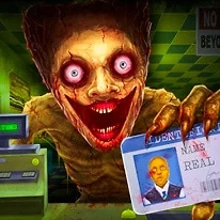
Shift at Midnight takes one of the most ordinary jobs imaginable and turns it into something quietly terrifying. You are a night clerk at a remote gas station, the roads outside are nearly empty, the neon lights flicker like they are arguing with the dark, and everything should feel routine. Stock shelves. Brew coffee. Watch the register. Make it to sunrise. Easy. Then the customers start arriving, and the whole mood begins to rot from the inside.
That is what makes this game work so well. It does not rush into chaos immediately. It lets the unease build. A strange look from a visitor. A pause that feels too long. A car lingering at the pump without a driver. A noise outside that might be wind, or might be something else entirely. Shift at Midnight is not really about constant action. It is about the terrible space between normal and wrong, and how fast that space starts to close once you notice it.
The result is a horror simulator game with a strong psychological edge. You are still doing practical shift work, but every small task starts carrying extra tension because the environment no longer feels trustworthy. That is a great hook for Kiz10. The site already has a visible group of night-shift horror games built around cameras, timing, and survival, like Five Nights at Freddy’s, Five Nights at Candy’s, Clown Nights at Freddy’s, and even stranger graveyard-shift setups like 5 Nights With a Wild Cucumber. Shift at Midnight fits right into that anxious, after-hours horror lane while feeling more grounded and human.
☕ 𝗘𝗩𝗘𝗡 𝗡𝗢𝗥𝗠𝗔𝗟 𝗧𝗔𝗦𝗞𝗦 𝗙𝗘𝗘𝗟 𝗪𝗥𝗢𝗡𝗚 𝗪𝗛𝗘𝗡 𝗧𝗛𝗘 𝗡𝗜𝗚𝗛𝗧 𝗦𝗧𝗔𝗥𝗧𝗦 𝗪𝗔𝗧𝗖𝗛𝗜𝗡𝗚 𝗬𝗢𝗨
One of the smartest things about Shift at Midnight is that it never abandons the gas-station job fantasy. You are not just in a horror setting with random tasks pasted on top. The tasks are part of the horror. Checking inventory, brewing coffee, managing the register, and maintaining the store routine all matter because they give the player something normal to hold onto while the night steadily becomes less normal.
That contrast is extremely effective. A horror game gets stronger when the setting has believable habits and routines, because the player starts to lean on them. Routine becomes comfort. Then the game slowly poisons that comfort. The same counter that felt safe now becomes the place where you watch a customer who is definitely acting wrong. The same warehouse you entered casually a few minutes ago now feels like a place you would rather avoid. The coffee machine, the stock shelves, the lights, the register, all of it becomes haunted simply because the mood has changed.
This is where the simulator angle really pays off. Instead of throwing danger at you nonstop, the game makes you keep functioning under stress. That is much more unsettling than simple chaos. You still have a shift to work. You still have things to do. The darkness just keeps making those things feel less and less safe.
📹 𝗧𝗛𝗘 𝗖𝗔𝗠𝗘𝗥𝗔𝗦 𝗔𝗥𝗘 𝗡𝗢𝗧 𝗝𝗨𝗦𝗧 𝗧𝗢𝗢𝗟𝗦, 𝗧𝗛𝗘𝗬 𝗔𝗥𝗘 𝗬𝗢𝗨𝗥 𝗦𝗘𝗖𝗢𝗡𝗗 𝗣𝗔𝗜𝗥 𝗢𝗙 𝗡𝗘𝗥𝗩𝗘𝗦
The security camera system is where Shift at Midnight becomes much more than a basic store simulator. Watching the cameras is not a side mechanic. It is your lifeline. The game description emphasizes checking feeds for subtle anomalies inside and outside the station, and that is exactly the kind of slow-burn observation horror that works. A lingering car. A figure where there should not be one. A customer whose behavior does not match their words. The cameras turn suspicion into gameplay.
That makes the whole experience feel tense in a very tactical way. You are not only reacting to jump scares. You are actively scanning for trouble. That means the fear grows through attention. The more carefully you watch, the more you start noticing small irregularities, and once you notice them, you cannot go back to feeling calm. Kiz10’s FNAF category is built around that same survival logic: monitor cameras, manage resources, and respond at the perfect moment because every mistake has consequences. Shift at Midnight clearly draws from that kind of night-watch tension, but places it inside a gas station with more grounded tasks and human suspicion.
It is also clever that the cameras are framed not just as anti-theft tools, but as your window to the outside world. In a place this isolated, outside is terrifying by default. If something sits at the pumps too long, if a vehicle stays parked without movement, if the darkness beyond the station starts to feel too full, you want the cameras on your side.
🚪 𝗖𝗨𝗦𝗧𝗢𝗠𝗘𝗥𝗦 𝗔𝗥𝗘 𝗧𝗛𝗘 𝗥𝗘𝗔𝗟 𝗧𝗘𝗦𝗧 𝗢𝗙 𝗬𝗢𝗨𝗥 𝗜𝗡𝗦𝗧𝗜𝗡𝗖𝗧𝗦
A lot of horror games rely on obvious monsters. Shift at Midnight does something more interesting by making people themselves the first source of danger. The customers are not just scary because of what they might be. They are scary because of how they behave. They force you to judge tone, timing, movement, and intent. Is that customer browsing, or stalling? Is that silence awkward, or threatening? Are they nervous, aggressive, or not fully human? The game seems built around those tiny judgment calls, and that gives it a very strong psychological horror flavor.
That kind of design is effective because it puts the player in a morally uncomfortable role too. You cannot simply attack or flee every time someone seems off. You are supposed to be working. Supposed to serve. Supposed to stay professional. The game even leans into the creepy little irony of “the customer is always right… unless he doesn’t look human.” That tension between customer-service normality and survival instinct is exactly the sort of thing that makes a setting like this memorable.
It also means every encounter becomes a little mystery scene. You are reading faces, body language, pauses, and patterns. That is much richer than a simple enemy trigger.
🕯️ 𝗦𝗢𝗨𝗡𝗗 𝗔𝗡𝗗 𝗟𝗜𝗚𝗛𝗧𝗜𝗡𝗚 𝗗𝗢 𝗔 𝗟𝗢𝗧 𝗢𝗙 𝗧𝗛𝗘 𝗛𝗢𝗥𝗥𝗢𝗥 𝗛𝗘𝗔𝗩𝗬 𝗟𝗜𝗙𝗧𝗜𝗡𝗚
Shift at Midnight sounds like a game that understands atmosphere on a deeper level than just making things dark. The description highlights evolving sound design and lighting as the night progresses, and that is exactly what a game like this needs. A remote store at night should feel like a place that changes emotionally as the hours pass. The same room can feel normal at 10 PM and unbearable at 1 AM just because the silence has deepened and the light has gone wrong.
Little sounds matter here. Footsteps in the warehouse. A whisper where there should be none. A car engine outside. Wind that may not be wind. Those details are how the game tightens the noose without needing constant spectacle. The fear becomes environmental. You start listening before you start acting, and that is always a good sign in a horror simulator.
The track lights detail is especially nice. “Whatever happens, don’t turn off the track lights” is exactly the kind of rule that instantly creates tension because it sounds practical and ominous at the same time. The best horror settings always have one or two rules that feel small until you imagine breaking them.
🧠 𝗧𝗛𝗜𝗦 𝗜𝗦 𝗔 𝗚𝗔𝗠𝗘 𝗔𝗕𝗢𝗨𝗧 𝗝𝗨𝗗𝗚𝗠𝗘𝗡𝗧, 𝗡𝗢𝗧 𝗝𝗨𝗦𝗧 𝗦𝗨𝗥𝗩𝗜𝗩𝗔𝗟
Another reason Shift at Midnight sounds compelling is that it gives the player choices in how to respond. Friendly, cautious, retreat into the office, trust the routine, trust instinct, all of that implies a game about reading situations rather than blindly following scripts. That is excellent for replay value and tension. Horror gets more personal when the player has to decide what kind of employee-survivor they want to be.
That also fits the gas-station setting better than pure action would. A real clerk is not armed for war. They are improvising. Interpreting. Choosing whether to engage, delay, or isolate themselves when things start to break down. Those small choices feel human, and that humanity is what makes the danger feel more immediate.
🕛 𝗪𝗛𝗬 𝗦𝗛𝗜𝗙𝗧 𝗔𝗧 𝗠𝗜𝗗𝗡𝗜𝗚𝗛𝗧 𝗙𝗜𝗧𝗦 𝗞𝗜𝗭𝟭𝟬 𝗦𝗢 𝗪𝗘𝗟𝗟
Shift at Midnight feels like a strong fit for Kiz10 because the site already supports several flavors of night-shift and suspenseful management horror. The FNAF section explicitly frames this style of play as camera watching, scarce-resource management, and reacting at the perfect second, while titles like Five Nights at Freddy’s, Clown Nights at Freddy’s, Five Nights at Candy’s, and 5 Nights With a Wild Cucumber all revolve around surviving a tense after-hours shift through observation and timing. Shift at Midnight takes that same core anxiety and relocates it to a lonely gas station, where human behavior and routine store duties make the horror feel more grounded.
If you enjoy night-shift horror, camera-based suspense, quiet psychological dread, and survival games where the setting itself becomes suspicious, this one is easy to recommend on Kiz10. It is less about running and more about noticing. Less about power fantasy and more about surviving a place that slowly stops obeying common sense.





 Share
Share
 Embed
Embed