🟨 𝗧𝗛𝗘 𝗬𝗘𝗟𝗟𝗢𝗪 𝗛𝗔𝗟𝗟𝗦 𝗔𝗥𝗘 𝗡𝗢𝗧 𝗘𝗠𝗣𝗧𝗬
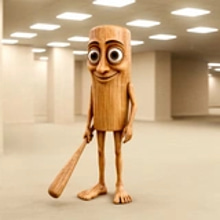
5 Nights with Sahur in Backrooms throws you into one of the most unpleasant places imaginable: endless yellow corridors, buzzing lights, warped reality, and the constant feeling that something is already too close. This is a horror game built on pressure, repetition, and the simple but terrifying idea that safety is never really safety. You are trapped in the Backrooms, and your only goal is to survive long enough to collect all the strange “goo goo ga ga” Santas scattered through the maze while Sahur hunts you with relentless patience and a bat that clearly has bad intentions.
That premise works immediately because it mixes exploration with constant threat. You are not just walking through eerie corridors hoping for a jump scare. You have a real objective. Find ten Santas. Stay alive. Reach the end of the night. Then do it again, and again, until the fifth night decides whether you deserve freedom or another humiliating defeat. It is the kind of survival horror setup that sounds straightforward on paper, then quickly becomes nerve-shredding once you hear footsteps at the wrong moment and realize your plan has dissolved into sprinting and denial.
👂 𝗟𝗜𝗦𝗧𝗘𝗡 𝗖𝗔𝗥𝗘𝗙𝗨𝗟𝗟𝗬 𝗢𝗥 𝗣𝗔𝗡𝗜𝗖 𝗟𝗢𝗨𝗗𝗟𝗬
What makes 5 Nights with Sahur in Backrooms effective is how much it leans on tension instead of chaos. Yes, there are chase moments. Yes, there is running. But the real fear often begins before Sahur even appears. It starts with the atmosphere. The Backrooms do not need to shout to be disturbing. The empty walls, the samey corridors, the unnatural hum in the air, all of it creates that specific kind of horror where your brain starts generating problems before the game even needs to.
Then Sahur enters the equation and everything gets worse in exactly the right way. This creature does not feel like a decorative monster placed in the map for dramatic effect. He is the center of the game’s pressure system. He patrols, searches, spots movement, and turns every mistake into a sprint for survival. The fact that you are told to listen to every rustle is important. This is not a game where audio is just background flavor. Sound becomes information. It becomes warning. It becomes the thing that makes you stop in a hallway and think, no, absolutely not, I am not going that way.
That kind of design is excellent for horror. It forces the player to stay alert even during quiet moments. Especially during quiet moments, actually. Silence in games like this is never neutral. It is either temporary peace or a trap wearing peace as a disguise.
🏃 𝗦𝗣𝗥𝗜𝗡𝗧 𝗪𝗛𝗘𝗡 𝗬𝗢𝗨 𝗠𝗨𝗦𝗧, 𝗛𝗜𝗗𝗘 𝗪𝗛𝗘𝗡 𝗬𝗢𝗨 𝗖𝗔𝗡
The survival mechanics are simple, which is exactly what this kind of horror game needs. You move with WASD, sprint with Shift, crouch with C, and use wardrobes as hiding spots. That last mechanic changes everything. A wardrobe in a normal game is furniture. Here, it is a prayer with hinges. When Sahur spots you, the game transforms instantly from tense exploration into pure animal-level decision making. Run. Break line of sight. Find a place to hide. Try not to make your panic obvious.
The wardrobe system is one of the smartest parts of the gameplay because it gives you a survival option that feels desperate instead of comfortable. Hiding is not the same as winning. It is damage control. It is you admitting that whatever brave route you were taking has collapsed and now the plan is to become a very quiet piece of furniture for a few seconds. That is wonderful horror design. It makes survival feel improvised and ugly, not clean and heroic.
Stamina adds another layer to that tension. Sprinting is powerful, but limited, which means every chase becomes a quick resource-management problem. Do you run now or hold your nerve? Do you burn stamina early to avoid a bad encounter, or save it in case Sahur suddenly commits to the chase? Those decisions make even simple movement feel loaded. You are never just walking. You are budgeting your future mistakes.
🎁 𝗖𝗢𝗟𝗟𝗘𝗖𝗧𝗜𝗡𝗚 𝗜𝗧𝗘𝗠𝗦 𝗙𝗘𝗘𝗟𝗦 𝗟𝗜𝗞𝗘 𝗦𝗧𝗘𝗔𝗟𝗜𝗡𝗚 𝗧𝗜𝗠𝗘
The “goo goo ga ga” Santas are more than collectibles. They are the reason you have to keep moving when every survival instinct tells you to stay hidden forever. That is what gives the game momentum. In many horror games, fear can slow the player down too much. Here, the collection objective keeps dragging you back into the maze. You need ten of them to win. No excuses. No clever shortcut around the objective. The only way out is through the discomfort.
That creates a very effective rhythm. Explore. Find one. Relax for half a second. Hear something awful. Freeze. Keep going anyway. Every Santa you collect feels meaningful because it reduces the distance between you and success, but it also increases the pain of failure. The more progress you make, the more badly you want to survive. That is the sweet spot. Horror becomes stronger when the player has something to lose.
And because items are auto-collected on contact, the process stays fast and clean. You do not need to stop and fumble through extra menus or awkward interactions. If you reach the item, it is yours. That keeps the tension focused on movement and danger instead of interface clutter. Good choice. Very cruel choice, but good.
🌙 𝗙𝗜𝗩𝗘 𝗡𝗜𝗚𝗛𝗧𝗦 𝗠𝗘𝗔𝗡 𝗙𝗜𝗩𝗘 𝗖𝗛𝗔𝗡𝗖𝗘𝗦 𝗧𝗢 𝗙𝗔𝗟𝗟 𝗔𝗣𝗔𝗥𝗧
Classic Mode gives the game a strong survival arc. Five nights, five chances to prove you can handle growing pressure, and five opportunities for the Backrooms to embarrass you in new ways. The difficulty options make this even stronger. Easy, Medium, Hard, Insane, Impossible. That is not a scale. That is a warning label. The higher settings clearly exist for players who enjoy testing the exact durability of their nerves.
The night-based structure works beautifully because it gives each run a sense of progression. You are not only surviving one isolated map. You are enduring a sequence. If Sahur catches you, the next night begins, but the fifth night has real finality. Lose there and it is over. That rule gives the mode shape. It makes the fifth night feel heavier, more dangerous, more personal. By the time you reach it, the game has already taught you enough fear that one mistake feels enormous.
Then there is Time Attack, which changes the mood in a smart way. Instead of stretched-out survival, it becomes a race against seconds. The same Backrooms pressure remains, but now urgency leads the dance. You still need ten Santas, but getting caught means instant failure. That makes the mode feel sharper, more aggressive, and perfect for players who want to replace slow dread with controlled desperation. Both modes work because they pull horror in different directions while keeping the same core tension alive.
🪓 𝗦𝗔𝗛𝗨𝗥 𝗜𝗦 𝗧𝗛𝗘 𝗥𝗘𝗔𝗦𝗢𝗡 𝗬𝗢𝗨 𝗡𝗘𝗩𝗘𝗥 𝗥𝗘𝗟𝗔𝗫
A good horror antagonist needs presence, and Sahur definitely has it. He is not just scary because he can end your run. He is scary because he changes your behavior before he even reaches you. He makes you think smaller, move slower, hesitate longer, and question every corner. That is power. The best horror enemies do not only attack the character. They invade the player’s decision-making.
The bat helps, too. There is something extra nasty about a monster carrying a blunt weapon through a maze of yellow nonsense. It feels personal. Primitive. Mean. And because Sahur does not tire, there is no sense that the danger will naturally fade. If he is on your trail, the problem remains yours until you solve it. Usually by running like your soul forgot something important.
On Kiz10, 5 Nights with Sahur in Backrooms is a strong pick for players who love Backrooms horror, item-collection survival, hide-and-seek tension, and games where sound matters as much as sight. It combines the liminal dread of endless corridors with a clear objective and a relentless pursuer, which is a very effective recipe for panic. The result is a horror experience that feels simple to understand but genuinely stressful to master.
By the end, that is the game’s real strength. It turns a maze into a predator’s playground and your objective into a reason to keep stepping deeper into it. You collect. You hide. You sprint. You listen. And every night you survive feels less like a clean victory and more like escaping a very patient nightmare by one trembling decision at a time. 👁️





 Share
Share
 Embed
Embed