🟨 𝗧𝗛𝗘 𝗪𝗔𝗟𝗟𝗦 𝗗𝗢 𝗡𝗢𝗧 𝗦𝗧𝗔𝗬 𝗦𝗧𝗜𝗟𝗟 𝗙𝗢𝗥 𝗬𝗢𝗨
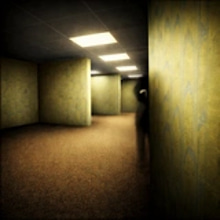
Backrooms: Protocol drops you into the kind of place that feels wrong before anything even attacks. Endless yellow halls, stale lighting, repeating corners, and that special kind of silence that somehow feels louder than noise. This is a first-person survival horror game built around dread, repetition, and the constant suspicion that the corridor ahead is not the same one you passed a minute ago. That shifting uncertainty is the whole point. You are not simply trying to escape a maze. You are trying to survive inside a place that keeps rearranging itself just enough to make confidence feel like a mistake.
That is what gives the game its grip. It does not need to scream all the time. It lets the atmosphere do the early work. A hallway that looks empty still feels dangerous. A quiet stretch still feels temporary. Every turn asks the same nasty question in a slightly different voice: are you actually safe, or are you just early? Good horror lives in that question, and Backrooms: Protocol clearly understands it.
🔦 𝗬𝗢𝗨 𝗗𝗢 𝗡𝗢𝗧 𝗝𝗨𝗦𝗧 𝗪𝗔𝗟𝗞, 𝗬𝗢𝗨 𝗠𝗔𝗡𝗔𝗚𝗘 𝗣𝗔𝗡𝗜𝗖
What makes the gameplay work is how much it ties survival to small decisions. You move, search, listen, check corners, watch your stamina, watch your battery, and try very hard not to become the loudest thing in the room. The controls are simple, which is exactly right for a game like this. Movement needs to feel direct because the real challenge is not remembering what button does what. The real challenge is deciding whether to use that button now or save it for the moment things go wrong.
That is especially true with sprinting and flashlight use. Running can save you, but it can also drain the exact thing you may need a few seconds later. The flashlight helps you read the space, but battery life turns visibility into a resource instead of a guarantee. Those little survival pressures make every stretch of hallway more interesting. You are never only moving forward. You are constantly judging whether your current choice is smart, desperate, or both at once.
That balance is where the tension becomes addictive. Good survival horror makes ordinary actions feel important. Here, even turning on a light can feel like a commitment.
🗝️ 𝗞𝗘𝗬𝗦 𝗚𝗜𝗩𝗘 𝗧𝗛𝗘 𝗠𝗔𝗭𝗘 𝗔 𝗣𝗨𝗥𝗣𝗢𝗦𝗘
A huge reason the game stays compelling is that it gives the player a clear objective inside all the fear. You are not wandering the Backrooms only to feel lost for the sake of being lost. You are searching for keys, unlocking the exit, and trying to make it to the next level alive. That structure matters. It turns the experience from pure atmosphere into a survival mission.
Keys are a great mechanic for this kind of horror because they force exploration. You cannot just find one safe corner and emotionally move in. You have to keep going. You have to search rooms, hallways, dead ends, and suspicious spaces that your instincts are begging you to avoid. That creates the perfect kind of horror rhythm. Curiosity and fear are constantly pulling in opposite directions. You want progress, but progress keeps making you step deeper into bad ideas.
And when you finally find what you need, the game does not let the relief last too long. A key is not freedom. It is permission to continue the argument with the maze.
👣 𝗧𝗛𝗘 𝗘𝗡𝗧𝗜𝗧𝗜𝗘𝗦 𝗪𝗢𝗥𝗞 𝗕𝗘𝗖𝗔𝗨𝗦𝗘 𝗬𝗢𝗨 𝗔𝗥𝗘 𝗔𝗟𝗥𝗘𝗔𝗗𝗬 𝗨𝗡𝗦𝗘𝗧𝗧𝗟𝗘𝗗
Backrooms: Protocol does not rely only on the map to unsettle you. Dangerous entities are always part of the equation, and that gives the exploration sharper stakes. The smartest thing about that is how naturally they fit into the space. The Backrooms already feel wrong. Adding hostile creatures does not interrupt the mood. It completes it. Suddenly every sound matters more. Every open corridor feels riskier. Every decision to sprint feels louder than it should.
The game gets a lot of mileage out of that relationship between silence and threat. Monsters are scary, yes, but what makes them effective is the way they change your behavior before you even see them. You start moving more carefully. You crouch sooner. You hesitate before crossing open spaces. That is when horror is doing its best work, when the enemy is shaping your decisions even off-screen.
And because the layout changes each run, the danger never settles into a completely safe pattern. You cannot rely too much on memory. That keeps the creatures from becoming routine. They remain part of a living problem, not a fixed obstacle course.
🔋 𝗥𝗘𝗦𝗢𝗨𝗥𝗖𝗘𝗦 𝗔𝗥𝗘 𝗦𝗠𝗔𝗟𝗟 𝗨𝗡𝗧𝗜𝗟 𝗬𝗢𝗨 𝗡𝗘𝗘𝗗 𝗧𝗛𝗘𝗠 𝗥𝗜𝗚𝗛𝗧 𝗡𝗢𝗪
Battery and stamina management give the game much of its survival identity. Without them, Backrooms: Protocol would still be a creepy maze game. With them, it becomes much more intimate. Your weakness becomes part of the level design. Darkness is not just a visual effect. It is a problem you can temporarily solve, but never permanently defeat. Stamina is not just movement speed. It is escape potential, and wasting it feels terrible in exactly the right way.
This makes the quieter moments more meaningful too. A calm hallway is not empty time. It is a chance to decide whether to conserve or spend, whether to push the pace or slow down, whether the light needs to be on or whether you can afford to trust the dimness a little longer. That kind of decision-making adds a lot of texture to the horror.
It also means the game feels fairer when things go badly. If you get caught, it often feels connected to choices you made under pressure. That is important. Good survival horror should feel punishing, but not random.
🌀 𝗣𝗥𝗢𝗖𝗘𝗗𝗨𝗥𝗔𝗟 𝗟𝗔𝗬𝗢𝗨𝗧𝗦 𝗞𝗘𝗘𝗣 𝗧𝗛𝗘 𝗙𝗘𝗔𝗥 𝗙𝗥𝗘𝗦𝗛
One of the strongest features here is how each playthrough reshapes the experience. The hallways shift, the resources move, the encounters change, and the routes that felt familiar in one run stop being reliable in the next. That is a huge advantage for a Backrooms horror game. This setting thrives on disorientation. A fixed map can become predictable. A changing one stays uneasy.
That procedural approach gives the game better replay value too. You are not just replaying one solved experience with the same answers every time. You are replaying the same nightmare under different conditions. The core goals remain recognizable, but the route to them keeps changing. That means each run still feels like exploration instead of repetition.
And because your progress carries between runs, the procedural design never feels empty. You are not starting from nothing every time. You are building toward deeper attempts, better upgrades, and a stronger chance of surviving longer on the next descent. That persistence helps a lot. It gives the fear a long-term reward structure.
📈 𝗦𝗨𝗥𝗩𝗜𝗩𝗔𝗟 𝗜𝗦 𝗕𝗘𝗧𝗧𝗘𝗥 𝗪𝗛𝗘𝗡 𝗜𝗧 𝗔𝗖𝗧𝗨𝗔𝗟𝗟𝗬 𝗖𝗢𝗨𝗡𝗧𝗦
The progression between runs is what turns Backrooms: Protocol into more than a one-note horror maze. You keep moving forward over time, unlocking upgrades and pushing deeper into the labyrinth with each better attempt. That gives the game momentum. Even a failed run can still feel useful because it feeds future progress. That is a very smart structure for a survival horror game with procedural runs.
It also changes the emotional tone of failure. Getting lost or caught still hurts, but it does not feel pointless. You come away with knowledge, with progress, with a slightly stronger sense of what the next run needs. That makes the game easier to stick with, especially for players who enjoy tension but still want a reason to keep returning after ugly endings.
On Kiz10, Backrooms: Protocol works very well for players who enjoy first-person horror, resource management, key hunting, stealthy movement, and replayable survival loops. It has the atmosphere of a proper Backrooms nightmare, but it also has enough structure to keep the fear connected to progress. That combination is what makes it strong.
Backrooms: Protocol is tense, deliberate, and very good at making ordinary hallways feel hostile. You move, listen, conserve, search, and hope the exit is closer than the next mistake. In a setting like this, that is more than enough to keep the nerves alive.





 Share
Share
 Embed
Embed