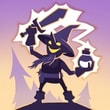
⚔️🏰 Pick a banner, then own the consequences
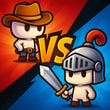
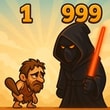
Battle Of Heroes doesn’t treat “choose a side” like a cute menu choice. It treats it like a switch that changes the mood of the whole fight. One path feels like marching with an army that wants honor, order, and the kind of victory you can brag about. The other feels like leaning into darker ambition, the kind that smiles when the battlefield gets messy. Either way, once you commit, you’re in a strategy war game where the only language is pressure: troops pushing forward, enemies biting back, and your decisions turning into real momentum on the screen.
On Kiz10, the fun hits fast because the battlefield isn’t a slow sandbox. It’s more like a living lane of conflict where your army’s progress depends on what you deploy, when you deploy it, and whether you’re thinking ahead or just reacting. And yes, you can react for a while. It works… until it doesn’t. Then you start playing like a commander, not a button presser, and suddenly the game opens up.
🛡️🔥 The frontline is a moving argument
You’re not defending a static tower. You’re pushing a line forward and trying to stop it from snapping back. That shifting frontline is what makes Battle Of Heroes feel tense. If your troops are strong and your timing is clean, you push into enemy territory and the fight feels confident. If your pacing slips, the enemy gains space, and your next decisions get forced into panic mode.
It’s a weird kind of strategy because it’s both simple and demanding. Simple because you understand the goal instantly: overwhelm, survive, advance. Demanding because the battlefield has a tempo. Send units too early and you waste them into a stronger enemy wave. Send them too late and you let pressure build until you’re stuck spending resources in a desperate scramble. The best players find that sweet rhythm where you keep steady presence on the field without bleeding resources into the void.
🧠💰 Money is a weapon, not a score
Battle Of Heroes is the kind of game where your currency isn’t just a reward, it’s your breathing supply. Spend well and you grow power. Spend badly and you get trapped in a loop where you can’t afford the answers you need. That’s the quiet brutality of it. It doesn’t punish you with a lecture, it punishes you with a stronger enemy wave arriving while you stare at your wallet like it personally betrayed you.
The trick is learning what “good spending” feels like. Early game is about stability: keeping enough units on the field so you don’t get shoved back. Mid game becomes about efficiency: clearing waves quickly so you earn more and don’t get bogged down. Late game is about power spikes: having the right heavy units or abilities ready for those moments where the enemy composition suddenly feels unfair.
And the funny part is how quickly your brain starts planning. You’ll catch yourself thinking, “If I hold for ten more seconds, I can drop the unit that flips the lane.” Then you hold. Then you drop it. Then the lane shifts. It feels like you orchestrated it, even if you were sweating the whole time. 😅
🧙♂️⚡ Heroes, monsters, and the joy of a well-timed swing
This isn’t a pure “numbers only” war simulator. It has that fantasy flavor where heroes and special units feel like actual events when they arrive. A strong hero entering the fight can change the entire flow, not just because of damage, but because of presence. Suddenly the enemy wave that looked scary starts melting. Suddenly your army pushes again. Suddenly you feel like you’re not surviving, you’re controlling.
But those moments only feel good if your timing is smart. Dropping your best unit into a bad situation can still waste it. Sometimes you need to clear space first. Sometimes you need to bait the enemy into clustering. Sometimes you need to wait a second longer so your hero arrives when it matters, not when the field is already lost. Battle Of Heroes rewards patience in a way that feels almost rude at first, because your instincts want to slam big power immediately. Then you learn that the real flex is holding the power until the exact moment it becomes inevitable.
🌪️😈 When waves stack, the screen turns into a decision storm
The most intense moments are when the battlefield gets crowded and you can’t solve it with one unit. That’s when you start thinking in layers. You need a frontline to absorb. You need damage to clear. You need something to handle the tougher threats that refuse to go down. If any of those layers are missing, the wave becomes sticky, and sticky waves are how you lose the lane.
This is where your build matters. If you’ve invested only in small fast units, you may get crushed by heavier enemies. If you’ve invested only in heavy units, you may get overwhelmed by swarms. The best setups feel balanced, and the best players adjust their deployment based on what the enemy is doing right now, not what worked two minutes ago. Strategy in Battle Of Heroes is less about one perfect plan and more about reading the moment, then making the moment behave.
🎭🏹 The “I’m fine” lie you tell yourself right before you’re not fine
Every run has that moment where you’re winning and you feel comfortable. The lane is forward, your army is thick, and you start spending casually. Then the enemy sends a stronger push, your frontline thins, and suddenly you realize comfort was a trap. That swing is what keeps the game alive. It never lets you fully relax. It gives you just enough peace to make you sloppy, then punishes the sloppiness with a wave that demands respect.
The upside is that comebacks feel amazing. If you stabilize from a bad push, it feels heroic. If you survive a scary wave by deploying the exact right unit at the exact right time, it feels like a highlight moment. Not because the game is cinematic with cutscenes, but because your decision created the drama and then solved it.
🏁🔥 Why Battle Of Heroes stays addictive on Kiz10
Battle Of Heroes is built around a clean strategy loop: chooses a side, manage resources, deploy troops with timing, use heroes as turning points, and survive escalating enemy pressure while pushing the frontline. It’s easy to pick up, but it gets surprisingly intense when the waves stack and your choices start compounding. If you like fantasy war strategy, lane battles, troop management, and that satisfying feeling of turning a losing situation into a controlled victory, this one hits hard on Kiz10. Just remember: the battlefield doesn’t care what you meant to do. It only cares what you did, and when you did it. ⚔️🔥😄






 4 (38 votes)
 Share
Share
 Embed
Embed