🗝️ 𝗢𝗹𝗱 𝗿𝗼𝗼𝗺𝘀, 𝗾𝘂𝗶𝗲𝘁 𝗺𝗲𝗺𝗼𝗿𝗶𝗲𝘀, 𝗮𝗻𝗱 𝘁𝗵𝗲 𝗸𝗶𝗻𝗱 𝗼𝗳 𝘁𝗿𝗲𝗮𝘀𝘂𝗿𝗲 𝘁𝗵𝗮𝘁 𝗱𝗼𝗲𝘀𝗻’𝘁 𝗴𝗹𝗶𝘁𝘁𝗲𝗿
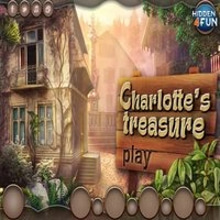
Charlotte’s Treasure on Kiz10 is not the loud kind of adventure. It does not kick the door open with explosions or throw dramatic music at your face every ten seconds. It does something much trickier. It slows you down. It invites you into an old house filled with forgotten things, familiar corners, and little objects that seem ordinary until you realize they matter. According to the game’s own premise, Charlotte returns to her old home to search through the items left behind and collect objects with sentimental value.
That setup gives the whole game a different flavor from the usual treasure hunt. This is not about gold bars, pirate maps, or giant crystal skulls sitting on pedestals for no reason. This is a hidden object game with a softer pulse. The “treasure” is emotional. Personal. A small detail here, a memory there, and suddenly the search becomes more than a puzzle. It becomes a kind of quiet excavation. You are not just clicking on items. You are poking through the leftovers of a life, and that has a weirdly strong effect.
It is cozy, but not sleepy. Calm, but never empty. The house feels full of stories even when nobody is speaking. And that atmosphere is what makes Charlotte’s Treasure stand out as a browser puzzle game. It is built on attention, patience, and the strange satisfaction of spotting one tiny object in a room packed with distractions. Honestly, that kind of focus becomes addictive fast.
🕯️ 𝗪𝗵𝘆 𝘁𝗵𝗲 𝗵𝗼𝘂𝘀𝗲 𝗳𝗲𝗲𝗹𝘀 𝗮𝗹𝗺𝗼𝘀𝘁 𝗹𝗶𝗸𝗲 𝗮 𝗰𝗵𝗮𝗿𝗮𝗰𝘁𝗲𝗿
A lot of hidden object games use their backgrounds as wallpaper. Pretty wallpaper, maybe, but still wallpaper. Charlotte’s Treasure feels more intimate than that. The house is not just a container for puzzles. It is the emotional center of the game. Every room suggests that something happened there. Not in a dramatic haunted-mansion way, not with thunder crashing and ghosts moonwalking through the kitchen, but in that quieter human way. People lived here. They left things behind. Those things still mean something.
That changes how you search. Instead of scanning the screen like a machine, you start wandering visually. Your eyes drift across shelves, boxes, corners, frames, drawers. You begin to feel the scene before you solve it. That is a rare little magic trick. The gameplay still depends on observation, sure, but the mood gives those observations weight. Finding an object feels less like checking off a task and more like uncovering a fragment of someone’s past.
There is also a nice contrast in the pace. The game is gentle, but your brain is working constantly. You are trying to separate useful details from clutter, shape from shadow, the important from the decorative. It is calm chaos, if that makes sense. The room looks peaceful, but your eyes are sprinting.
🔍 𝗧𝗵𝗲 𝗽𝘂𝗿𝗲 𝗽𝗹𝗲𝗮𝘀𝘂𝗿𝗲 𝗼𝗳 𝘀𝗽𝗼𝘁𝘁𝗶𝗻𝗴 𝘁𝗵𝗲 𝗼𝗯𝘃𝗶𝗼𝘂𝘀 𝘁𝗵𝗶𝗻𝗴 𝘁𝗵𝗮𝘁 𝘄𝗮𝘀𝗻’𝘁 𝗼𝗯𝘃𝗶𝗼𝘂𝘀 𝗮𝘁 𝗮𝗹𝗹
If you love hidden object games, you already know the feeling. That moment when an item has been right there the whole time, practically smirking at you from the edge of the room, and then suddenly your brain clicks into focus and there it is. Found it. Obviously. Except it was not obvious. Not five seconds ago, when you were staring directly at it like a confused detective who forgot their glasses.
Charlotte’s Treasure leans into that loop beautifully. The challenge is not about fast reflexes or complicated controls. It is about seeing. Really seeing. You slow down just enough to let the image reveal itself. A shape stands out. A color feels wrong. A tiny detail suddenly becomes the answer. Then your hand moves, you click, and that small success gives you an absurd amount of satisfaction for something as simple as finding an object in a room. Puzzle games are funny like that.
Because the game uses familiar domestic spaces and sentimental themes, the act of searching feels warmer than usual. It is still a brain game, still a visual challenge, still very much a test of attention, but it does not feel cold or mechanical. It feels curious. Almost nosy in the best possible way. Like you are helping Charlotte piece together bits of herself through the objects around her.
📦 𝗧𝗵𝗲 𝗸𝗶𝗻𝗱 𝗼𝗳 𝗴𝗮𝗺𝗲 𝘁𝗵𝗮𝘁 𝗺𝗮𝗸𝗲𝘀 𝘆𝗼𝘂 𝗹𝗲𝗮𝗻 𝗰𝗹𝗼𝘀𝗲𝗿 𝘁𝗼 𝘁𝗵𝗲 𝘀𝗰𝗿𝗲𝗲𝗻
There is something almost ritualistic about games like this. You start upright, casual, relaxed. A few minutes later, you are leaning toward the screen like posture no longer matters, scanning every tiny corner with an intensity usually reserved for bomb defusal scenes in movies. “Is that it? No. Wait. Maybe. Nope. That’s a lamp. Why did I think the lamp was important?” That internal monologue becomes part of the fun 😅
Charlotte’s Treasure turns concentration into entertainment. It is not noisy about it. It simply gives you a space full of detail and lets your mind do what it does best: hunt for patterns, isolate targets, obsess over tiny differences. There is no need for overdesigned systems. The interaction is immediate. Search, notice, click, continue. Yet within that simplicity, the game creates a strong little rhythm.
That rhythm is probably why it works so well on Kiz10. You can play for a short stretch and still feel engaged right away. You do not need a long tutorial. You do not need upgrades, complex mechanics, or a wall of text explaining ten systems you will forget in three minutes. You just enter the house and begin. The puzzle is already there, waiting for your eyes to catch up.
💭 𝗠𝗲𝗺𝗼𝗿𝘆, 𝗺𝗼𝗼𝗱, 𝗮𝗻𝗱 𝘁𝗵𝗮𝘁 𝘀𝗼𝗳𝘁 𝗹𝗶𝘁𝘁𝗹𝗲 𝘀𝘁𝗶𝗻𝗴 𝗼𝗳 𝗻𝗼𝘀𝘁𝗮𝗹𝗴𝗶𝗮
What gives Charlotte’s Treasure more personality than a standard search-and-find game is the emotional framing. Nostalgia is a powerful thing in games when it is used lightly. Too much, and it becomes syrup. Too little, and the setting feels hollow. Here, the idea of revisiting an old family home and rediscovering meaningful belongings gives the whole experience a soft emotional edge. Not melodrama. Just warmth. Maybe a little ache. The good kind.
And that matters because it makes progress feel richer. You are not just beating levels or clearing scenes. You are helping uncover a collection of remembered pieces. In a way, the game turns observation into affection. You pay attention because the world invites it, and the more you pay attention, the more the setting begins to feel lived in.
That emotional layer also makes the title fit perfectly. Treasure usually means something shiny and expensive. Here, treasure means memory. A simple object can carry a whole history. That is a lovely idea for a puzzle game, honestly. It gives the search a point beyond mere completion.
🧩 𝗪𝗵𝘆 𝗶𝘁 𝗵𝗶𝘁𝘀 𝘁𝗵𝗲 𝘀𝘄𝗲𝗲𝘁 𝘀𝗽𝗼𝘁 𝗳𝗼𝗿 𝗵𝗶𝗱𝗱𝗲𝗻 𝗼𝗯𝗷𝗲𝗰𝘁 𝗳𝗮𝗻𝘀
Charlotte’s Treasure is easy to recommend if you enjoy hidden object games, puzzle games, search-and-find adventures, or slower browser games that reward attention instead of speed. It understands exactly what makes this genre satisfying. The challenge comes from detail. The pleasure comes from noticing. The atmosphere comes from a world that feels personal rather than generic.
On Kiz10, that makes it a very comfortable game to sink into. It is approachable, thoughtful, and strangely absorbing. You open it expecting a light hidden object session and end up fully invested in the act of searching through old rooms for meaningful keepsakes. That is the trick. The game seems small at first, but it gets under your skin quietly.
So no, Charlotte’s Treasure is not about saving galaxies or winning wars or punching dragons in the forehead. It is about something much more delicate. Looking carefully. Remembering gently. Finding value in things that other games would ignore. And if that sounds subtle, well, good. Subtle can be wonderful. Especially when it turns an old house into a puzzle box full of memory, and every click feels like opening one more tiny door.





 Share
Share
 Embed
Embed


