𝗘𝘀𝗰𝗮𝗽𝗲 𝗳𝗿𝗼𝗺 𝗚𝗨𝗚𝗨𝗚𝗔𝗚𝗔: 𝗖𝗵𝗼𝗰𝗼𝗹𝗮𝘁𝗲 𝗛𝗼𝗿𝗿𝗼𝗿 𝗸𝗻𝗼𝘄𝘀 𝗲𝘅𝗮𝗰𝘁𝗹𝘆 𝗵𝗼𝘄 𝘁𝗼 𝗺𝗮𝗸𝗲 𝘀𝗼𝗺𝗲𝘁𝗵𝗶𝗻𝗴 𝗿𝗶𝗱𝗶𝗰𝘂𝗹𝗼𝘂𝘀 𝗳𝗲𝗲𝗹 𝗱𝗲𝗮𝗱𝗹𝘆 🍫😨
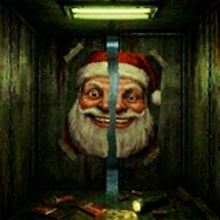
The premise sounds almost like a joke at first. You are trapped inside a chocolate factory on a night shift gone horribly wrong, and the things hunting you are living Chocolate Santas. That should be silly. It should be harmless. It should feel like a parody with candy wrappers. Instead, the game somehow twists that absurd setup into something genuinely tense. That is its biggest trick. It takes sweetness, nostalgia, and factory weirdness, then drags all of it through a grimy PSX-style nightmare until the whole place feels wrong.
What makes the game work is not only the monster concept. It is the atmosphere around it. The factory is dark, cramped, and full of spaces that never feel fully safe. The shadows are not there just to look spooky. They matter. Light matters. Noise matters. Movement matters. Every decision starts feeling heavier than it should because the enemies are not passive decorations waiting for you to bump into them. They react. They hunt. They adapt. That turns every run into a much more personal kind of horror.
On Kiz10, Escape from GUGUGAGA: Chocolate Horror feels like a strong pick for players who enjoy survival horror, factory escape games, roguelike tension, stealth mechanics, and weird horror concepts that somehow become more disturbing precisely because they should not work this well. It is funny in a dark way, but it never stops being dangerous.
𝗧𝗵𝗲 𝗳𝗮𝗰𝘁𝗼𝗿𝘆 𝗶𝘀 𝗮 𝗺𝗮𝘇𝗲, 𝗯𝘂𝘁 𝗶𝘁 𝗻𝗲𝘃𝗲𝗿 𝗳𝗲𝗲𝗹𝘀 𝗹𝗶𝗸𝗲 𝗷𝘂𝘀𝘁 𝗮 𝗺𝗮𝘇𝗲 🏭🌑
A lot of horror games use dark corridors because they are an easy shortcut to tension. Here, the factory feels more deliberate than that. It is not just a spooky skin over a generic map. The whole place seems built to force bad choices. Tight paths. Poor visibility. Routes that look safe until they are not. Objectives that pull you deeper when every sensible instinct says to leave immediately. That is good horror design. It makes the building itself part of the threat.
Because each run gives you a new maze, the game stays unpredictable in a very useful way. You cannot just memorize the whole factory and stroll through it like a bored safety inspector. You have to read the space, adapt quickly, and build confidence in a place that is constantly trying to make confidence feel stupid. That fresh layout every run is one of the strongest parts of the roguelike structure. It keeps the fear from turning mechanical.
And the vertical goal, escaping by going higher, helps a lot. Upward progress always feels sharper in horror games. It creates a sense of climbing out through danger instead of just wandering around until something convenient appears.
𝗟𝗶𝗴𝗵𝘁 𝗶𝘀 𝗻𝗼𝘁 𝘆𝗼𝘂𝗿 𝗳𝗿𝗶𝗲𝗻𝗱. 𝗗𝗮𝗿𝗸𝗻𝗲𝘀𝘀 𝗶𝘀 𝗻𝗼𝘁 𝗲𝗶𝘁𝗵𝗲𝗿. 💡👀
One of the smartest things about Escape from GUGUGAGA: Chocolate Horror is how it handles visibility. The flashlight is useful, of course. It helps you see, read corridors, find items, and avoid blundering into a trap like a complete amateur. But the light is also a risk. Enemies notice it. The thing helping you survive can also make you easier to find. That creates an excellent tension loop.
A lot of games treat the flashlight as a simple comfort tool. Here, it becomes a real decision. Do you turn it on and see clearly, knowing you may be signaling your position? Or do you move through darkness with less information, hoping stealth is worth the uncertainty? That is exactly the kind of tradeoff survival horror needs. It turns every stretch of movement into a little gamble.
And because the monsters can see light, the whole mood of the game changes. Brightness is no longer safety. Sometimes it is bait.
𝗥𝘂𝗻𝗻𝗶𝗻𝗴 𝗶𝘀 𝗳𝗮𝘀𝘁. 𝗥𝘂𝗻𝗻𝗶𝗻𝗴 𝗶𝘀 𝗹𝗼𝘂𝗱. 𝗥𝘂𝗻𝗻𝗶𝗻𝗴 𝗶𝘀 𝘄𝗵𝗮𝘁 𝘆𝗼𝘂 𝗱𝗼 𝘄𝗵𝗲𝗻 𝘁𝗵𝗲 𝗴𝗮𝗺𝗲 𝗵𝗮𝘀 𝗮𝗹𝗿𝗲𝗮𝗱𝘆 𝗴𝗼𝗻𝗲 𝘄𝗿𝗼𝗻𝗴 👣⚠️
The sound design logic in the game is another big strength. Running helps you escape immediate danger, but it also creates noise, and noise gives the enemies information. That means speed always has a cost. You are not simply choosing between fast and slow. You are choosing between exposure and control. That is great horror design because it turns the most obvious survival instinct into a meaningful risk.
This also creates a very satisfying emotional rhythm. Calm movement feels safer, but slower. Panic movement might save you, but could also make the next problem arrive much sooner. The game keeps forcing that tension between discipline and desperation, and that is exactly where horror thrives.
A good survival horror game should make the player feel responsible for their own panic. Escape from GUGUGAGA: Chocolate Horror does that beautifully.
𝗧𝗵𝗲 𝗲𝗻𝗲𝗺𝗶𝗲𝘀 𝗮𝗿𝗲 𝗺𝗼𝗿𝗲 𝗶𝗻𝘁𝗲𝗿𝗲𝘀𝘁𝗶𝗻𝗴 𝗯𝗲𝗰𝗮𝘂𝘀𝗲 𝘁𝗵𝗲𝘆 𝗱𝗼 𝗻𝗼𝘁 𝗮𝗰𝘁 𝗹𝗶𝗸𝗲 𝗶𝗱𝗶𝗼𝘁𝘀 🍫🧠
The Chocolate Santas are unsettling not just because they are absurd living sweets with murderous intentions, but because they behave in ways that keep pressure high. They hear you. They see your light. They remember. That last part is especially important. It suggests the game is not built around blind, forgetful monsters you can manipulate with the same cheap trick forever. Instead, the threat feels more active and more personal.
That memory element gives the whole hunt a stronger feeling of consequence. If you reveal too much, make too much noise, or move carelessly through traps, the factory starts feeling like a place where your mistakes linger. That is much scarier than random patrol behavior because it makes your own decisions part of the monster’s advantage.
This is also why the game’s humor works so well. The defeat screen might be funny, but the run that leads to it often is not. The game lets the joke exist without weakening the threat.
𝗧𝗵𝗲 𝘀𝗵𝗼𝘁𝗴𝘂𝗻 𝗶𝘀 𝗻𝗼𝘁 𝗽𝗼𝘄𝗲𝗿. 𝗜𝘁 𝗶𝘀 𝗮 𝗽𝗮𝗻𝗶𝗰 𝗯𝘂𝘁𝘁𝗼𝗻 𝘄𝗶𝘁𝗵 𝗹𝗶𝗺𝗶𝘁𝗲𝗱 𝗮𝗺𝗺𝗼 🔫😬
The weapon system is one of the game’s smartest balancing choices. You are not helpless, which is good, but you are also not some action hero stomping through chocolate horrors without fear. The shotgun exists as a chance to survive, not as a guaranteed solution. Limited ammo keeps it from breaking the atmosphere. Every shot becomes a decision. Every trigger pull asks whether the current problem is really worth part of your tiny reserve.
That is exactly how horror weapons should work. They should feel useful, but not comforting. The shotgun in Escape from GUGUGAGA: Chocolate Horror seems designed to buy moments, not dominate the game. That makes it much more exciting. A gun that solves everything kills fear. A gun that buys you one more chance keeps fear alive.
𝗖𝗵𝗼𝗰𝗼𝗹𝗮𝘁𝗲 𝗶𝘀 𝗰𝘂𝗿𝗿𝗲𝗻𝗰𝘆, 𝘄𝗵𝗶𝗰𝗵 𝗶𝘀 𝗳𝘂𝗻𝗻𝘆 𝘂𝗻𝘁𝗶𝗹 𝘆𝗼𝘂 𝗿𝗲𝗮𝗹𝗶𝘇𝗲 𝗵𝗼𝘄 𝗺𝘂𝗰𝗵 𝘆𝗼𝘂 𝗻𝗲𝗲𝗱 𝗶𝘁 🍫📈
The upgrade loop is another reason the game sticks. Collecting chocolate during runs gives you a reason to explore even when the smarter emotional decision would be to leave as fast as possible. That greed is useful. It creates the classic roguelike tension between short-term survival and long-term growth. Do you rush the elevator and preserve the run, or push farther for more chocolate and better upgrades later?
That decision keeps the whole experience alive across repeated attempts. Each run makes you stronger, but only if you take enough risk to bring something back. That structure is excellent for a horror roguelike because it turns progress into a bargain with danger. The factory can make you stronger, but only if it does not kill you first.
𝗙𝗶𝗻𝗮𝗹 𝘃𝗲𝗿𝗱𝗶𝗰𝘁: 𝗮 𝘀𝘁𝘆𝗹𝗶𝘀𝗵, 𝘄𝗲𝗶𝗿𝗱, 𝗮𝗻𝗱 𝘀𝘂𝗿𝗽𝗿𝗶𝘀𝗶𝗻𝗴𝗹𝘆 𝘀𝗵𝗮𝗿𝗽 𝘀𝘂𝗿𝘃𝗶𝘃𝗮𝗹 𝗵𝗼𝗿𝗿𝗼𝗿 𝗿𝘂𝗻 😈🏆
Escape from GUGUGAGA: Chocolate Horror works because it balances absurdity and pressure almost perfectly. The PSX-inspired style gives it a grimy charm, the stealth and light mechanics create real tension, the randomized runs keep the factory unpredictable, and the roguelike chocolate-upgrade loop makes every attempt matter. On Kiz10, it stands out as a horror game that is playful in concept but serious in execution.
If you like survival horror with unusual enemies, real stealth choices, and a setup weird enough to stay memorable, this one has a lot to offer. Keep the light under control, make your noise count, and never assume the chocolate factory is done with you just because the hallway looks empty.





 Share
Share
 Embed
Embed