𝗧𝗛𝗘 𝗙𝗢𝗥𝗘𝗦𝗧 𝗗𝗢𝗘𝗦𝗡’𝗧 𝗪𝗔𝗡𝗧 𝗬𝗢𝗨 𝗧𝗢 𝗟𝗘𝗔𝗩𝗘 🌲🕯️
99 Nights in the Forest: Horror Multiplayer starts with a simple truth that feels like a threat: the woods are hungry. Not “spooky” hungry. Not “atmospheric” hungry. Hungry like a living thing that listens for your footsteps and remembers your mistakes. You and your friends wake up in a dense, dark forest with a countdown hanging over your head, and the game makes it clear that surviving isn’t a phase you pass through on the way to winning. Survival is the entire job, and the job lasts a long time.
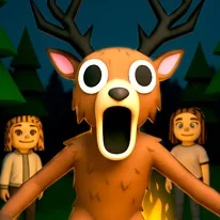
This is a co-op horror survival game on Kiz10 built around two rhythms that never stop fighting each other. Day is for movement, scavenging, planning, and gathering resources before the sun gives up. Night is for defense, fear management, and the terrible sound of something large moving between trees that should not be moving at all. The monster isn’t a random jump scare. It’s a presence. A deer-like entity that becomes smarter and more aggressive the longer you last, like it’s learning how your group behaves and rewriting the rules around you.
The goal is not just to outlive the nights. You have a mission: find the lost children, get them to safety, and assemble what you need to escape before the forest decides you’re part of it. And because the timeline is long, the game rewards teams that build systems instead of relying on hero moments.
𝗗𝗔𝗬𝗧𝗜𝗠𝗘 𝗜𝗦 𝗔 𝗟𝗜𝗘 𝗬𝗢𝗨 𝗨𝗦𝗘 𝗧𝗢 𝗚𝗘𝗧 𝗥𝗘𝗔𝗗𝗬 ☀️🪓
During the day, the map opens up psychologically. You can breathe. You can move farther. You can tell yourself you’re “fine.” That’s when the game tries to trick you into wasting time. Because day is short, and the moment it ends your priorities become painfully clear: you needed more wood, more metal, more food, more batteries, more everything.
The best daytime play feels like a heist. You run routes, you grab essentials, and you return before dusk like you’re racing a door that’s about to lock. You’ll also start learning the forest’s geography in little fragments: a landmark you trust, a path you hate, a clearing that feels safe until it doesn’t. Exploration matters, but exploration without purpose is how teams die slowly. The game gives you 99 days, but it punishes anyone who treats that number like permission to wander.
And because you’re rescuing children, you’re not only gathering for yourself. You’re gathering to support extra lives in your camp, extra mouths, extra fragility. That adds weight to every run. Every time you find one and bring them back, you feel a genuine relief… followed by immediate anxiety, because now you have more to protect.
𝗡𝗜𝗚𝗛𝗧 𝗜𝗦 𝗪𝗛𝗘𝗡 𝗧𝗛𝗘 𝗠𝗢𝗡𝗦𝗧𝗘𝗥 𝗦𝗧𝗔𝗥𝗧𝗦 𝗘𝗗𝗜𝗧𝗜𝗡𝗚 𝗬𝗢𝗨𝗥 𝗣𝗟𝗔𝗡𝗦 🌑🦌
The deer-monster is the game’s heartbeat. At night, the forest changes personality. Sounds get sharper. Visibility becomes a negotiation. Your campfire feels like a beacon and a trap at the same time. The creature hates light, but light is limited, and that’s where the tension gets cruel in a smart way. You’re constantly balancing visibility against safety. Keep the lantern bright and risk draining batteries. Turn the lights off and risk losing control of the space.
This is where horror multiplayer becomes real teamwork. One player panicking can pull the whole group into chaos. One player staying calm can save everyone. If your team communicates well, nights feel like organized survival. If your team doesn’t, nights feel like a comedy of errors with screaming. The game loves both outcomes. 😅
You’ll learn to listen. The monster telegraphs itself with audio cues, rustling, and that signature roar before an attack. Those sounds become your early warning system. The moment you hear them, your hands move faster and your brain goes quiet. Crafting stops. Cooking stops. Everyone becomes still and deliberate, because movement is information and the forest is always collecting it.
𝗖𝗥𝗔𝗙𝗧𝗜𝗡𝗚 𝗜𝗦 𝗬𝗢𝗨𝗥 𝗢𝗡𝗟𝗬 𝗔𝗥𝗚𝗨𝗠𝗘𝗡𝗧 𝗪𝗜𝗧𝗛 𝗧𝗛𝗘 𝗗𝗔𝗥𝗞 🔧🔥
The survival systems are what turn this into more than “run and hide.” You have a workbench to craft supplies, better lanterns, medical items, and defensive weapons that let you hold your ground when the nights get mean. The cauldron and cooking loop matters too, because hunger is the quiet killer. A team that ignores food ends up weak, slow, and easy to break. A team that keeps the cauldron running stays sharp and ready.
You’ll feel the difference when your camp becomes organized. When you have a steady wood pile, a plan for batteries, a cooking routine, and a clear defensive perimeter, the nights become survivable. Not safe, but survivable. The forest still threatens you, but you’re no longer improvising with empty hands.
And crafting isn’t just gear, it’s pace. Better tools mean faster gathering. Better lanterns mean fewer mistakes. Better medical supplies mean your errors aren’t instantly fatal. Every craft is you buying more chances to learn the game’s deeper patterns.
𝗖𝗢-𝗢𝗣 𝗥𝗢𝗟𝗘𝗦 𝗔𝗥𝗘 𝗛𝗢𝗪 𝗬𝗢𝗨 𝗕𝗘𝗔𝗧 𝗧𝗛𝗘 𝗖𝗟𝗢𝗖𝗞 🤝⏳
If you try to play this as four people doing the same thing, you’ll feel busy but inefficient. The game rewards role assignment. One player becomes the wood and metal runner. One player becomes the food manager, keeping cooking stable and making sure the group’s energy stays up. One player becomes the builder, upgrading defenses and crafting what’s needed next. Another becomes the scout, focused on finding children and critical escape progress.
That division isn’t just “nice.” It’s survival math. The 99-day timer doesn’t forgive teams that waste daylight. The more specialized you are, the more momentum you have. And momentum is the real currency here. Once your team is ahead of the difficulty curve, you can make mistakes and recover. If you’re behind, every mistake becomes a spiral.
𝗘𝗩𝗘𝗡 𝗜𝗙 𝗬𝗢𝗨 𝗙𝗔𝗟𝗟, 𝗧𝗛𝗘 𝗚𝗔𝗠𝗘 𝗪𝗔𝗡𝗧𝗦 𝗬𝗢𝗨 𝗧𝗢 𝗖𝗢𝗠𝗘 𝗕𝗔𝗖𝗞 💰🧬
One of the smartest design hooks is progression that survives failure. If the forest wins, you’re not erased completely. Money and achievements you earned can unlock new character classes with unique abilities, which changes the next attempt. That gives the game replay energy without feeling like a grind treadmill. You’re learning the map and the monster, and you’re also building your options.
New specialists are more than cosmetics. They shift strategy. A team composition can make early survival smoother, resource runs safer, or nights more controllable. The forest stays brutal, but you return with better tools and stronger roles, which makes each new run feel like you’re adapting rather than repeating.
99 Nights in the Forest: Horror Multiplayer on Kiz10 is a long-haul co-op survival horror experience where light is a weapon, teamwork is a shield, and the monster gets smarter as your camp gets stronger. Rescue the children, build a routine that survives the nights, and don’t let the forest turn your story into another rumor people whisper about. 🌲🕯️🦌





 Share
Share
 Embed
Embed