𝗛𝗜𝗗𝗜𝗡𝗚 🎭 𝗜𝗦 𝗡𝗢𝗧 𝗔𝗕𝗢𝗨𝗧 𝗥𝗨𝗡𝗡𝗜𝗡𝗚 𝗔𝗪𝗔𝗬 𝗛𝗘𝗥𝗘, 𝗜𝗧 𝗜𝗦 𝗔𝗕𝗢𝗨𝗧 𝗕𝗘𝗖𝗢𝗠𝗜𝗡𝗚 𝗔 𝗟𝗜𝗘
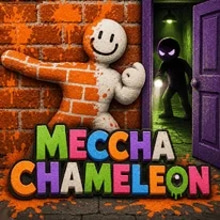
Meccha Chameleon feels fresh because it takes the usual hide-and-seek formula and removes the easiest trick. You do not transform into a chair, a crate, or some random lamp in the corner. You stay human-shaped, which sounds like a terrible idea right until you realize the game gives you a much stranger weapon: camouflage by hand. That changes everything. Instead of becoming the environment, you imitate it. You paint yourself, shape your pose, freeze in place, and hope the seeker’s eyes slide right past you. That is a brilliant concept because it turns hiding into performance.
On Kiz10, this kind of game would fit naturally beside the site’s growing hide-and-seek and camouflage pages like Roblox: Hide and Seek Extreme Online, Obby: Hide and Seek Battle Royale, and Obby: Camo Tower. Those games already show that Kiz10 players respond well to stealth, disguise, visual deception, and map-reading challenges. Meccha Chameleon pushes that same appeal into a more creative and psychological direction.
𝗣𝗔𝗜𝗡𝗧 🎨 𝗜𝗦 𝗡𝗢𝗧 𝗝𝗨𝗦𝗧 𝗖𝗢𝗦𝗠𝗘𝗧𝗜𝗖 𝗛𝗘𝗥𝗘, 𝗜𝗧 𝗜𝗦 𝗬𝗢𝗨𝗥 𝗢𝗡𝗟𝗬 𝗔𝗟𝗜𝗕𝗜
What makes Meccha Chameleon so smart is that the hiding phase becomes creative work instead of passive waiting. You are not just looking for a bush and hoping for mercy. You are studying walls, floors, shadows, trees, corners, and textures, then trying to rebuild that look across your own character. That means every good hiding spot becomes a tiny art project under pressure. Not a polished one. More like a desperate masterpiece made in thirty seconds while panic whispers that the seeker is about to notice your left shoulder.
That mechanic gives the game much more personality than a standard prop hunt. The challenge is not only choosing the right place. It is selling the illusion once you get there. A slightly wrong shade, a bad pose, a silhouette that does not belong, and the whole trick collapses. That is exactly the kind of visual mind game that makes rounds memorable.
𝗦𝗘𝗘𝗞𝗘𝗥𝗦 👀 𝗔𝗥𝗘 𝗡𝗢𝗧 𝗛𝗨𝗡𝗧𝗜𝗡𝗚 𝗢𝗕𝗝𝗘𝗖𝗧𝗦, 𝗧𝗛𝗘𝗬 𝗔𝗥𝗘 𝗛𝗨𝗡𝗧𝗜𝗡𝗚 𝗠𝗜𝗦𝗧𝗔𝗞𝗘𝗦
The seeker side sounds just as good because Meccha Chameleon is not really asking players to “find the hiders.” It is asking them to find what is wrong with the picture. A weird shadow. A color that almost works but not quite. A posture that looks too intentional. A shape that technically matches the background, but emotionally feels guilty. That makes the search phase much more observational than most hide-and-seek games.
This is where the game’s psychological side really lands. Seekers are not rewarded for speed alone. They are rewarded for doubt. For reading the map like something inside it is pretending. Kiz10 already supports similar observation-based camouflage play in games like Obby: Find the Hidden Button and Find the Brainrot, where success comes from noticing what the environment is trying to hide rather than simply moving fast through it. Meccha Chameleon would tap into that same pleasure, but in a multiplayer social format.
𝗣𝗢𝗦𝗘 🧍 𝗠𝗔𝗧𝗧𝗘𝗥𝗦 𝗝𝗨𝗦𝗧 𝗔𝗦 𝗠𝗨𝗖𝗛 𝗔𝗦 𝗖𝗢𝗟𝗢𝗥
One of the best details in the concept is that matching the color is not enough. You also need the right pose. That is huge, because it turns Meccha Chameleon from a simple color-matching gimmick into a full-body deception game. A good hider does not only ask, “Can I blend in here?” They ask, “What shape should I become to make this look natural?” That means two players using the same spot could still have completely different results depending on how convincing their body language is.
That opens the door for real creativity. Some players will aim for perfect camouflage and disappear into corners like a visual whisper. Others will try the funnier route and hide in plain sight, betting that the seeker’s brain will reject something too bold to be true. That kind of freedom is why no round should feel identical.
𝗘𝗩𝗘𝗥𝗬 🎮 𝗠𝗔𝗧𝗖𝗛 𝗦𝗛𝗢𝗨𝗟𝗗 𝗙𝗘𝗘𝗟 𝗗𝗜𝗙𝗙𝗘𝗥𝗘𝗡𝗧, 𝗔𝗡𝗗 𝗧𝗛𝗜𝗦 𝗚𝗔𝗠𝗘 𝗖𝗟𝗘𝗔𝗥𝗟𝗬 𝗚𝗘𝗧𝗦 𝗧𝗛𝗔𝗧
Meccha Chameleon sounds like it has strong replay value because there is no single correct solution to any map. A good camouflage game gets better when players are free to be clever in different ways. One person will melt into the scenery with absurd accuracy. Another will hide somewhere openly ridiculous and survive because seekers overthink the “smart” areas first. That unpredictability is what keeps the social loop alive.
This is also why the game has such strong content-creator energy. Rounds generate stories by themselves. Someone picks the perfect shade but ruins it with a terrible pose. Someone else hides in the most obvious place possible and wins because nobody trusts that level of audacity. Those moments are exactly what make multiplayer browser games stick in people’s heads.
𝗪𝗛𝗬 🦎 𝗠𝗘𝗖𝗖𝗛𝗔 𝗖𝗛𝗔𝗠𝗘𝗟𝗘𝗢𝗡 𝗙𝗜𝗧𝗦 𝗞𝗜𝗭10
Meccha Chameleon would fit Kiz10 very well because the site already has proven demand for hide-and-seek, Roblox-style multiplayer stealth, and camouflage-focused challenge games. Roblox: Hide and Seek Extreme Online and Obby: Hide and Seek Battle Royale show the hiding-and-chasing audience is already there, while Obby: Camo Tower proves camouflage itself can carry a whole challenge when color, light, and timing matter. Meccha Chameleon combines both ideas into something more original and more social.
If you enjoy hide-and-seek games, visual deception, social multiplayer rounds, and browser games where creativity matters more than raw reflexes, this one has a lot going for it. It takes a familiar concept, removes the lazy disguise trick, and replaces it with something much funnier and much smarter: art, posing, and the human talent for pretending to be background decoration.





 Share
Share
 Embed
Embed