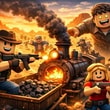
𝗧𝗛𝗜𝗦 𝗜𝗦 𝗡𝗢𝗧 𝗔 𝗤𝗨𝗜𝗘𝗧 𝗣𝗔𝗥𝗧𝗬. 𝗧𝗛𝗜𝗦 𝗜𝗦 𝗔 𝗣𝗜𝗡𝗔𝗧𝗔 𝗪𝗔𝗥 🎉🔨
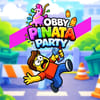
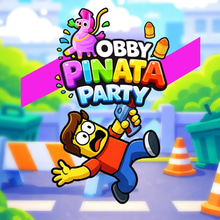
Obby Pinata Party takes two extremely reliable sources of joy, obstacle-course chaos and smashing colorful loot-filled targets, then fuses them into one bright, noisy, ridiculously satisfying adventure. You are helping Obby fight pinatas, explore the world, collect coins, unlock better weapons, and keep the whole celebration moving with bigger hits and stronger upgrades. That already sounds like a fun day. The game wisely agrees.
On Kiz10, Obby Pinata Party feels like the kind of casual action game that never wants you to sit still for too long. There is always another pinata to crack open, another batch of coins to chase, another weapon improvement calling your name, and another reason to keep roaming through the world with the energy of somebody who absolutely intends to shake every last penny out of every oversized paper target in sight.
That loop lands because it is simple, but not empty. You hit things, yes. But each hit feeds progress. Each upgrade changes the feel of your run. Each new area or weapon gives the game another small spark of momentum. It becomes a cheerful little machine built from impact, reward, and the constant promise that the next swing might be even better than the last one.
𝗛𝗜𝗧 𝗧𝗛𝗘 𝗣𝗜𝗡𝗔𝗧𝗔𝗦. 𝗧𝗔𝗞𝗘 𝗧𝗛𝗘 𝗠𝗢𝗡𝗘𝗬. 𝗥𝗘𝗣𝗘𝗔𝗧 💰💥
The core fantasy here is wonderfully direct. Pinatas are full of value, and your job is to make them surrender it. That gives the game a strong arcade identity right away. You are not solving a slow mystery or building toward some distant reward that may or may not eventually matter. The reward is immediate. Swing. Break. Collect. Move on stronger.
That immediacy matters in a game like this. Casual action experiences work best when the feedback is instant and satisfying. Obby Pinata Party seems built around exactly that principle. You do something fun, and the game responds quickly with progress, coins, and that tiny little burst of “yes, that worked” that makes simple systems feel great. Then it encourages you to do it again, only bigger.
And because coins tie into upgrades, smashing pinatas never feels pointless. Even if the immediate action is silly and playful, the long-term loop has real structure. You are always converting destruction into improvement. That makes every hit feel productive, which is dangerous for your free time and excellent for the game.
𝗪𝗘𝗔𝗣𝗢𝗡𝗦 𝗠𝗔𝗞𝗘 𝗧𝗛𝗘 𝗣𝗔𝗥𝗧𝗬 𝗠𝗘𝗔𝗡𝗘𝗥 🔧⚔️
A big part of what keeps the game interesting is the weapon variety. When a game lets you choose from a wide range of weapons, it immediately creates room for personal style. Some players want brute force. Some want speed. Some want whatever looks the funniest while still making pinatas explode into profit. All of these are valid paths in a game like this.
Weapons matter because they change the texture of the action. They make returning to the same basic goal feel fresh. A stronger tool does not just mean bigger damage. It changes how powerful you feel while moving through the world. That shift is important. Upgrade loops need to feel visible, not theoretical. If your weapon changes and the game suddenly feels faster, punchier, or more ridiculous, then the upgrade has done its job.
That also makes coin collection more exciting. You are not grinding for abstract numbers. You are chasing the next meaningful improvement. Better weapon, stronger impact, more efficient pinata destruction, more coins, even better upgrades. It is a very clean loop, and clean loops tend to be the most addictive ones.
𝗢𝗕𝗕𝗬 𝗘𝗡𝗘𝗥𝗚𝗬 𝗞𝗘𝗘𝗣𝗦 𝗧𝗛𝗘 𝗪𝗢𝗥𝗟𝗗 𝗠𝗢𝗩𝗜𝗡𝗚 🏃🌈
The “Obby” part gives the game its movement identity. This is not just a stand-in-one-place smashing simulator. You are exploring, moving around, and treating the world itself like part of the fun. That matters because it stops the gameplay from becoming static. The pinatas are the reward targets, but the journey between them is what gives the game rhythm.
A good obby-style game always benefits from light exploration and playful traversal. Even when the controls are simple, movement can still create a strong sense of discovery. You go a little farther, find a new area, spot another reward source, and immediately start wondering how much stronger you could get if you kept going just a little longer. That feeling is very effective.
And because the setting is party-themed rather than tense or grim, the exploration feels light on its feet. You are not creeping through danger. You are running through a world built for cheerful destruction. That tone helps a lot. It keeps the mood playful even when the upgrade chasing becomes surprisingly serious.
𝗖𝗢𝗜𝗡𝗦 𝗔𝗥𝗘 𝗧𝗛𝗘 𝗥𝗘𝗔𝗟 𝗥𝗛𝗬𝗧𝗛𝗠 𝗢𝗙 𝗧𝗛𝗘 𝗚𝗔𝗠𝗘 🪙✨
Coin collection is what makes all the other systems feel connected. Without it, smashing pinatas would still be amusing for a while, but there would be less reason to care about optimization, exploration, or weapon choice. Coins give purpose to every action. They turn the party into progression.
That is the hidden strength of games like this. A casual mechanic becomes much more compelling when it feeds a visible economy. Suddenly the player starts thinking in terms of routes, efficiency, and upgrade value. Which pinatas are worth chasing first? Which weapon helps you earn faster? Which area seems most rewarding? Those are small questions, but they add just enough structure to make the experience stick.
It is also satisfying because the loop remains easy to read. You do not need a complicated menu full of obscure systems to understand your next goal. Get more coins. Spend them wisely. Hit harder. Go farther. It is almost beautifully shameless in how effective that is.
𝗧𝗛𝗘 𝗚𝗔𝗠𝗘 𝗪𝗢𝗥𝗞𝗦 𝗕𝗘𝗖𝗔𝗨𝗦𝗘 𝗜𝗧 𝗨𝗡𝗗𝗘𝗥𝗦𝗧𝗔𝗡𝗗𝗦 𝗝𝗢𝗬 😄🎊
There is a certain kind of browser game that succeeds because it knows exactly how silly it is and leans into that with total confidence. Obby Pinata Party feels like one of those games. The premise is not trying to sound grand or overly serious. It is about fighting pinatas, getting rich, and enjoying the ride. That honesty helps. The game is playful, colorful, and built around pure positive feedback.
That kind of design is more valuable than it sounds. Not every game needs deep drama. Sometimes what people want is impact, rewards, and a world that feels invitingly ridiculous. This one seems to deliver that through its combination of smashing, exploring, collecting, and upgrading. It has enough structure to stay engaging and enough silliness to stay charming.
And because the controls are so simple, mouse or touch, the game stays approachable. You can jump into it quickly, understand what it wants from you, and start having fun almost immediately. That accessibility is a huge asset for a game whose entire purpose is to keep the action flowing.
𝗪𝗛𝗬 𝗢𝗕𝗕𝗬 𝗣𝗜𝗡𝗔𝗧𝗔 𝗣𝗔𝗥𝗧𝗬 𝗙𝗜𝗧𝗦 𝗦𝗢 𝗪𝗘𝗟𝗟 𝗢𝗡 𝗞𝗜𝗭𝟭𝟬 🎯🎁
On Kiz10, Obby Pinata Party stands out because it combines easy-to-love systems into one cheerful progression loop. It has obby movement, weapon upgrades, coin farming, and a premise that never stops being amusing. That gives it strong replay energy. You can play for a short burst and still feel progress, or stay longer and watch your setup become stronger, faster, and way more destructive.
If you enjoy obby games, casual action games, smashing games, coin collection loops, and bright upgrade-based adventures where every minute gives you something useful, this one is an easy fit. It does not overcomplicate the formula. It sharpens it. Then it fills it with pinatas and lets you go to work.
You pick a weapon, spot a target, rush in, and watch coins spill out like the party itself just gave up resisting. Then you improve your gear and do it again, only louder. That is Obby Pinata Party. A festival of impact, upgrades, and very profitable chaos. 🎉💰🔨









 2.5 (156 votes)
 Share
Share
 Embed
Embed