𝗧𝗛𝗘 𝗠𝗨𝗦𝗜𝗖 𝗜𝗦 𝗟𝗢𝗨𝗗, 𝗧𝗛𝗘 𝗣𝗟𝗔𝗡 𝗜𝗦 𝗤𝗨𝗜𝗘𝗧 🎉🤫
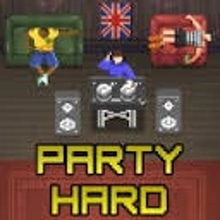
Party Hard on Kiz10 begins with a feeling everybody understands: you want to sleep, your neighbors want to throw the loudest party on planet Earth, and the universe is daring you to do something irrational. This game takes that petty frustration and turns it into a stealth puzzle with a knife hidden behind the curtains. You’re not a superhero. You’re not a soldier. You’re a tired person who has snapped into a single objective: bring silence to the chaos without anyone realizing you’re the reason the dance floor is getting emptier.
It’s a stealth action game, but it doesn’t play like a typical “crawl in vents forever” experience. It plays like a darkly comic problem-solving sandbox where every room is a little stage and every witness is a ticking clock. The party looks bright and silly, yet the tension is real because one mistake turns the whole night into a police siren nightmare. The magic is that the game stays simple to control while still feeling tricky, because the challenge isn’t complex buttons, it’s judgment. Where do you move? Who can see you? What happens if you do it now instead of waiting three seconds?
𝗘𝗬𝗘𝗦 𝗘𝗩𝗘𝗥𝗬𝗪𝗛𝗘𝗥𝗘, 𝗔𝗡𝗗 𝗧𝗛𝗔𝗧’𝗦 𝗧𝗛𝗘 𝗣𝗢𝗜𝗡𝗧 👀🕺
The party is packed. People wander, dance, flirt, walk to the bathroom, drift toward the bar, and generally behave like obstacles with legs. At first, you’ll think, okay, I’ll just pick someone off in the corner. Then you’ll realize corners aren’t safe if a random guest decides to take a stroll at the exact wrong moment. Party Hard makes you feel watched even when you aren’t, which is a hilarious kind of paranoia to experience in a browser game. You start reading movement patterns like you’re studying traffic. You’ll wait behind a wall, watch two guests separate, notice a tiny blind spot, and your brain will go, now. That “now” moment is the whole game.
And it’s not just the guests. The environment matters. Doors, hallways, bathrooms, back rooms, little side spaces, all of it becomes part of your route. You’re always thinking about exits. Because the second something goes wrong, you need a way out that doesn’t look like “a guilty person sprinting away from a crime scene.”
𝗦𝗧𝗘𝗔𝗟𝗧𝗛 𝗜𝗦 𝗔 𝗣𝗨𝗭𝗭𝗟𝗘, 𝗡𝗢𝗧 𝗔 𝗠𝗢𝗢𝗗 🧩😅
A lot of players treat stealth like “move slowly and hope.” Party Hard punishes that. It rewards planning and timing. The cleanest kills feel almost boring in the moment, and that’s how you know they’re good. You don’t want drama. Drama is how witnesses happen. You want calm, quick, invisible. The game teaches you to create your own safe windows by waiting for people to turn away, separating a target from the crowd, and committing only when the risk is low enough to be worth it.
Then there’s the addicting part: every time you succeed, you get bolder. You start thinking you’re in control. You start taking riskier moves. You start trying to speed up the “silence” process. And the game is ready for that arrogance. One extra second of greed, one kill too close to a doorway, one moment where you forget someone can walk in… and suddenly you’re in full panic mode, doing damage control while pretending you meant for it to get messy. You didn’t. Nobody does. 😭
𝗧𝗛𝗘 𝗕𝗘𝗦𝗧 𝗪𝗘𝗔𝗣𝗢𝗡 𝗜𝗦 𝗧𝗜𝗠𝗜𝗡𝗚 🔪⏱️
Party Hard is built around timing more than anything else. Timing of footsteps. Timing of sightlines. Timing of when a crowd shifts. There’s a strange satisfaction in waiting. In most action games, waiting feels like weakness. Here, waiting feels like power. You’re letting the party’s chaos create opportunities for you. You’re watching the flow, learning the rhythm, and then slipping in like a shadow at exactly the right beat. It’s almost musical, which is funny because the entire reason you’re here is that the music is too loud.
When you get into a good rhythm, the game feels like you’re solving a live puzzle. You move, pause, strike, move, pause, strike, and the party slowly changes shape. Fewer people. More empty space. More tension. It’s like the level becomes quieter not only in sound, but in energy. The crowd that used to feel like a wall becomes something you can navigate. That’s when you start feeling dangerous.
𝗖𝗢𝗣𝗦, 𝗣𝗔𝗡𝗜𝗖, 𝗔𝗡𝗗 𝗧𝗛𝗘 𝗔𝗥𝗧 𝗢𝗙 𝗟𝗢𝗢𝗞𝗜𝗡𝗚 𝗜𝗡𝗡𝗢𝗖𝗘𝗡𝗧 🚔😇
When the police arrive, the mood flips. You go from predator to actor. Party Hard loves this switch because it forces you to control your nerves. You can’t always just run. Running looks guilty. Being near the wrong place looks guilty. Doing anything “too fast” looks guilty. So you start playing a second game inside the first game: pretend. Blend. Move naturally. Step away from trouble. Let the situation cool down. Then continue your work when the pressure relaxes again.
It’s a tiny social stealth fantasy. You’re in a crowd, you’re the reason something happened, and you have to survive scrutiny. That tension makes each level feel like a story even without dialogue. The story is the night going wrong in slow motion, and you are the invisible hand pushing it.
𝗘𝗡𝗩𝗜𝗥𝗢𝗡𝗠𝗘𝗡𝗧𝗔𝗟 𝗧𝗥𝗜𝗖𝗞𝗦 𝗔𝗡𝗗 𝗗𝗜𝗥𝗧𝗬 𝗢𝗣𝗣𝗢𝗥𝗧𝗨𝗡𝗜𝗧𝗜𝗘𝗦 🧯🪓
The best moments in Party Hard aren’t always the direct ones. The game’s fun comes from using the party space like a toolbox. You start noticing little “possibilities” in the environment, things that can create distractions, separate people, or remove a target without turning the whole room into an alarm. It feels clever when you do it right, because you’re not just clicking to attack, you’re manipulating the flow of the room. You’ll start thinking like a stage director: where do people gather, where do they split up, where does movement naturally funnel, where can you act without being seen?
This is where the game gets really replayable on Kiz10. You can clear a level one way, then replay and try a different approach. Faster, cleaner, riskier, more patient, more chaotic. And the game rewards experimentation because the “best” solution is often your own style. Some players are careful and surgical. Others are bold and opportunistic. The only style that doesn’t work is mindless rushing.
𝗧𝗛𝗘 𝗘𝗠𝗢𝗧𝗜𝗢𝗡𝗔𝗟 𝗟𝗢𝗢𝗣: 𝗖𝗔𝗟𝗠 → 𝗚𝗥𝗘𝗘𝗗 → 𝗣𝗔𝗡𝗜𝗖 → 𝗚𝗘𝗡𝗜𝗨𝗦 😵💫✨
A typical run has a very specific feeling. First you’re calm, studying. Then you land a clean move and feel confident. Then confidence becomes greed. Greed becomes a mistake. The mistake triggers panic. Panic forces you to improvise. If you survive the improv, you feel like a genius. If you don’t, you restart immediately because you know exactly what you did wrong and your brain refuses to leave it like that.
That loop is why Party Hard is so sticky. It’s not a long game that demands commitment. It’s a compact stealth challenge that demands pride. You always feel one step away from a cleaner run. One better route. One smarter moments. One calmer decision when you felt rushed. And because the game punishes greed so consistently, every win feels earned in a satisfying, slightly mischievous way.
𝗪𝗛𝗬 𝗜𝗧 𝗪𝗢𝗥𝗞𝗦 𝗦𝗢 𝗪𝗘𝗟𝗟 𝗢𝗡 𝗞𝗜𝗭𝟭𝟬 🎮🎉
Party Hard fits Kiz10 perfectly because it’s instant tension with quick replay value. You jump in, read the room, make choices, face consequences, and you’re learning within minutes. It’s a stealth game that stays readable and funny while still being genuinely challenging. You can play it like a careful puzzle. You can play it like controlled chaos. Either way, you’ll finish a level with that same thought: I can do it cleaner next time. And then you click restart, because yes, you absolutely can.








 2.5 (22 votes)
 Share
Share
 Embed
Embed