🌙 𝗧𝗛𝗘 𝗡𝗜𝗚𝗛𝗧 𝗦𝗛𝗜𝗙𝗧 𝗜𝗦 𝗕𝗔𝗗 𝗘𝗡𝗢𝗨𝗚𝗛 𝗪𝗜𝗧𝗛𝗢𝗨𝗧 𝗧𝗛𝗘 𝗞𝗜𝗢𝗦𝗞 𝗧𝗥𝗬𝗜𝗡𝗚 𝗧𝗢 𝗠𝗘𝗦𝗦 𝗪𝗜𝗧𝗛 𝗬𝗢𝗨
Scary Shawarma Kiosk is the kind of game that takes an ordinary job and ruins it in the best possible way. On paper, your task sounds simple enough. Work the night shift, prepare shawarma, serve customers, make money, and get through until sunrise. Easy. Probably. Then the shadows start moving like they know something you do not. Supplies go missing. The customers stop feeling normal. The little kiosk turns into the last place on earth where anyone should want to spend the night, and yet there you are, still trying to wrap food while your brain quietly begs for a different career.
That contrast is exactly what makes the game work. It mixes routine and horror in a way that feels immediately tense. Cooking games are usually about speed, efficiency, and order. Horror games are about uncertainty, fear, and losing control. Put those together and suddenly every small task becomes more stressful than it has any right to be. You are not just making shawarma. You are making shawarma while wondering whether the next customer is even supposed to exist.
And that is where Scary Shawarma Kiosk becomes memorable. It does not need giant monsters jumping out every five seconds to stay unsettling. It already has the strongest horror tool available: a normal situation slowly becoming very, very wrong.
🥙 𝗖𝗢𝗢𝗞𝗜𝗡𝗚 𝗜𝗦 𝗦𝗜𝗠𝗣𝗟𝗘, 𝗨𝗡𝗧𝗜𝗟 𝗙𝗘𝗔𝗥 𝗚𝗘𝗧𝗦 𝗜𝗡𝗩𝗢𝗟𝗩𝗘𝗗
The core loop of Scary Shawarma Kiosk sounds brilliantly straightforward. Prepare shawarma, manage the shift, stay alive, improve your setup, repeat. That structure is important because it gives the horror something solid to attack. If the player is busy doing real tasks, every strange interruption feels more threatening. A weird sound in the dark means more when your hands were already full. A suspicious customer feels worse when you are trying to keep the workflow together. The game turns ordinary work into a pressure chamber.
This is one of the reasons horror simulators can be so effective. They do not only ask you to survive. They ask you to function while surviving. That is much more stressful. The routine creates a false sense of stability, then the game starts pulling pieces of that stability away one by one. Suddenly even the most basic job feels dangerous.
And because the work itself seems active, not passive, the player never feels disconnected from the tension. You are always doing something. Always responsible for something. That makes the fear feel personal.
👁️ 𝗧𝗛𝗘 𝗞𝗜𝗢𝗦𝗞 𝗜𝗦 𝗦𝗠𝗔𝗟𝗟, 𝗕𝗨𝗧 𝗧𝗛𝗔𝗧 𝗠𝗔𝗞𝗘𝗦 𝗜𝗧 𝗪𝗢𝗥𝗦𝗘
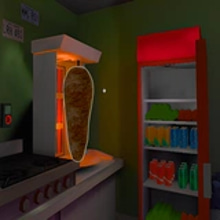
One of the smartest things about the whole concept is the setting. A tiny kiosk at night is a fantastic horror location. It feels confined, exposed, and strangely lonely all at once. You are not safe inside a well-lit restaurant packed with people. You are in a cramped work space, cut off from comfort, trying to do your job while the darkness outside keeps feeling more interested in you than it should.
That small scale matters. Horror often becomes stronger when the space is limited because every corner starts feeling important. Every missing item matters more. Every customer interaction feels closer. Every strange sound has fewer places to hide. A tiny kiosk can feel more intense than a giant haunted building because there is nowhere to escape the pressure. You are there. The shift is there. The problem is there. Congratulations.
This also helps the game maintain focus. It is not trying to overwhelm the player with a huge open world or too many distractions. It uses one concentrated setting and lets the tension build naturally inside it. That is a very good choice.
😨 𝗧𝗛𝗘 𝗖𝗨𝗦𝗧𝗢𝗠𝗘𝗥𝗦 𝗔𝗥𝗘 𝗣𝗥𝗢𝗕𝗔𝗕𝗟𝗬 𝗧𝗛𝗘 𝗦𝗖𝗔𝗥𝗜𝗘𝗦𝗧 𝗣𝗔𝗥𝗧
A horror game becomes much stronger when the threat is not always obvious, and Scary Shawarma Kiosk seems to understand that. Spooky patrons are a great idea because they force the player into direct interaction with the thing making them uncomfortable. You cannot just hide from the unease. You have to serve it. Smile at it, probably. Hand it food and hope the exchange ends normally.
That is where the game’s atmosphere probably gets its best moments. A suspicious customer does not need to attack immediately to be effective. Sometimes just being wrong is enough. A look that lingers too long. A request that feels off. A silence that should not feel so heavy but does. Those details can do a lot of damage in a game like this. Horror is often strongest when it lives in the gap between what should be normal and what definitely is not.
And because you are working, those encounters carry extra weight. You cannot simply run from every strange presence. The game keeps pulling you back into the interaction because the shift still has to continue. That is cruel. Very good, but cruel.
🌑 𝗘𝗔𝗖𝗛 𝗡𝗜𝗚𝗛𝗧 𝗚𝗘𝗧𝗦 𝗪𝗢𝗥𝗦𝗘, 𝗪𝗛𝗜𝗖𝗛 𝗜𝗦 𝗘𝗫𝗔𝗖𝗧𝗟𝗬 𝗪𝗛𝗔𝗧 𝗬𝗢𝗨 𝗪𝗔𝗡𝗧
The promise that every night becomes more terrifying is one of the best parts of the design. A good horror simulator should escalate. The first shift teaches you the mood. The next one starts bending it. Then the game pushes harder, adds more pressure, removes more comfort, and makes the player question whether they should have opened the kiosk at all.
That structure keeps the fear from going flat. Instead of repeating the same scare pattern over and over, the game can build dread through change. Missing supplies, weirder customers, stronger supernatural activity, all of that helps each night feel like a step deeper into something bad. And that sense of descent is very important. Horror works better when the player feels like things are becoming less manageable over time.
It also gives the game a strong reason to keep going. You want to know how bad the next shift gets. You may not enjoy knowing, exactly, but you definitely want to see it.
🧂 𝗦𝗘𝗖𝗥𝗘𝗧 𝗥𝗘𝗖𝗜𝗣𝗘𝗦 𝗔𝗥𝗘 𝗔 𝗚𝗥𝗘𝗔𝗧 𝗪𝗔𝗬 𝗧𝗢 𝗠𝗜𝗫 𝗖𝗨𝗥𝗜𝗢𝗦𝗜𝗧𝗬 𝗪𝗜𝗧𝗛 𝗗𝗥𝗘𝗔𝗗
The mention of secret recipes is a very nice touch because it adds another form of progression that is not just survival. It gives the player something to uncover, something a little mysterious and rewarding that sits inside the horror instead of outside it. That matters because curiosity is one of the best engines in horror games. Fear pushes the player back, curiosity pulls them forward. A good game uses both.
Secret recipes also fit the setting perfectly. A late-night kiosk already feels like a place where strange little secrets could hide. Tying progression or discovery to recipes gives the whole experience more flavor, literally and emotionally. It makes the kiosk feel like a place with history, with rules, with things you are not supposed to understand all at once.
And that is always a good sign. Horror becomes stronger when the world feels like it contains more than the player immediately sees.
💸 𝗠𝗢𝗡𝗘𝗬 𝗔𝗡𝗗 𝗨𝗣𝗚𝗥𝗔𝗗𝗘𝗦 𝗚𝗜𝗩𝗘 𝗧𝗛𝗘 𝗙𝗘𝗔𝗥 𝗔 𝗥𝗘𝗔𝗦𝗢𝗡 𝗧𝗢 𝗖𝗢𝗡𝗧𝗜𝗡𝗨𝗘
A horror game with a money loop is interesting because it gives the player a practical reason to endure the next shift. You are not only surviving to see the story continue. You are surviving because you want improvements. Better tools, better setup, a little more control over the nightmare. That kind of progression is useful because it keeps each night feeling productive even when it goes badly.
It also creates a really nice emotional trap. The player starts making rational business decisions inside a totally irrational situation. “I should do one more shift so I can afford this upgrade.” That is exactly the sort of thought a horror simulator wants to produce. It makes you complicit in your own suffering. Very efficient design, really.
🎮 𝗪𝗛𝗬 𝗦𝗖𝗔𝗥𝗬 𝗦𝗛𝗔𝗪𝗔𝗥𝗠𝗔 𝗞𝗜𝗢𝗦𝗞 𝗙𝗜𝗧𝗦 𝗦𝗢 𝗪𝗘𝗟𝗟 𝗢𝗡 𝗞𝗜𝗭𝟭𝟬
Scary Shawarma Kiosk feels like a great fit for Kiz10 because it combines two things that work very well in browser play: simple simulation tasks and concentrated horror atmosphere. It is easy to understand immediately, but the tension gives it a much stronger identity than a normal cooking or job simulator. That mix makes it stand out.
If you enjoy horror games, creepy work simulators, strange customer encounters, and games where ordinary tasks become terrifying for all the wrong reasons, this one has a lot going for it. It is focused, atmospheric, and built around a premise that becomes more uncomfortable the longer you stay inside it.
Mix the shawarma. Watch the shadows. Try not to panic. And whatever you do, make it to sunrise.





 Share
Share
 Embed
Embed