🏚️ Footsteps, wallpaper, and the kind of quiet that breathes
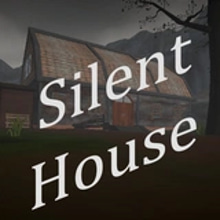
The door doesn’t slam; it sighs, like it’s relieved you arrived. Your flashlight is a thin promise, your breath has volume, and the hall smells like dust that remembers rain. Silent House doesn’t scream to scare you—it lets the silence do the talking. You’ll creep, stall, listen for the soft mechanics of a building with a pulse, then move only when the floorboards relax. It’s intimate horror: a narrow beam, a map that edits itself, and a sense that every choice makes a sound even if you don’t.
👂 The house hears before it sees
Everything you do has a noise signature. A careful step is a whisper; a rushed pivot is a syllable; a dropped tool is a paragraph the house can read from rooms away. Doors, radiators, window latches—all instruments in an involuntary orchestra. You’ll learn to walk on the seams between planks, to open drawers on the breath, to hold still during the low rumble that means something in the next room is turning its head. Silence isn’t absence. It’s camouflage with rules.
🕯️ Tools that whisper instead of shout
Your kit never breaks the mood. A wind-up lamp hums softly and rewards steady cranks with a kinder cone of light. Chalk marks leave thin sigils on baseboards—arrows only you can see when the lamp flickers, your future self’s breadcrumbs. A tin of salt draws a line a presence won’t cross unless you scuff it with panic. A metronome taps at adjustable tempos to pull patrols down a corridor like polite bait. You’ll craft string chimes that warn when air pressure changes at a door, and tiny paper wards that stop a cupboard from breathing on your back.
🚪 Rooms with alibis and grudges
The Kitchen mutters: pipes knock like teeth and the icebox exhales on a three-count—cross on the fourth and you glide. The Nursery hoards drafts; curtains puff when stairwell doors open two rooms away. The Parlor pretends to be safe until the gramophone whispers a waltz from a wall that doesn’t own a socket. The Attic is all angles and sawdust; here the silence is honest, which is somehow worse. Every room has habits, and the floor plan bends when you stop respecting them. Mirrors don’t lie, exactly—they reflect a version of you in a different stanza of the house’s song.
👥 Residents you never meet properly
They’re not monsters so much as house rules wearing shoes. The Caretaker patrols by rhythm; he turns on squeak six, pivots on squeak nine, coughs when the boiler sighs. The Twins appear in doorways as temperature drops; they tilt their heads when you breathe wrong and vanish if you hum the first bar of a lullaby you found carved into the bed frame. The Listener kneels by vents, tasting conversations you didn’t have; drop the metronome and it goes to count, not to you. When the Stained Girl drifts past a mirror, the glass fogs with words you should probably obey.
🔊 Puzzles that listen back
You won’t match colors—you’ll match tones. Align radiator valves to tune a chord the foyer recognizes, and the hidden latch gives up. Place cups on saucers so their ring harmonics cancel the stair squeak long enough to pass without a lecture. Wind chimes in the conservatory are missing two lengths; cut the wire too short and the melody sours, drawing the Listener like gossip. A piano with one good key and many bad intentions asks you to play the house’s heartbeat in reverse. When you get it right, the wallpaper pattern shifts, revealing a crawl space that smells like last year.
🏃 Stealth, sprint, freeze, bargain
You don’t win by running fast; you win by choosing when to be motionless. Crouch to compress footfall pitch so it hides under steam hiss. Walk diagonals across old rugs to touch fewer threads. Sprint only under thunder; the roof is generous with cover if you keep time. When cornered, don’t flail—place salt, wind the lamp once, step backward through your own shadow, and let an impatient presence overcommit into dead air. It’s a duel of habits: the house has centuries; you have a night and nerve.
🧠 Tiny habits that change the floorplan
Count your paces between creaks and write the numbers on your wrist. Close doors to the same angle every time; different angles make different complaints. If a room grows one degree warmer, breathe; warmth means the house is thinking, not hunting. Tap the metronome behind you before solving anything—it turns a future chase into a math problem you already solved. And finish one paper ward halfway; completing it in danger moments is better than carrying five you forget to use.
🎧 The mix that keeps score
Sound design is compass and judge. Nails ping back under weight; the brighter the ping, the safer the plank. The boiler sings two notes higher before it vents steam—cross then. A long hall rides a gentle chorus; when the harmony detunes, the Caretaker has stepped onto your timeline. There’s a hush—hairline quiet—that means the house is holding its breath. That’s where secrets live. Headphones add a map made of frequencies, and soon you’ll be reading rooms with your ears while your eyes mind the edges.
🧪 Nights that get personal
You’re here for several nights, but they don’t repeat—they remember. Fail kindly on Night One and the house softens one hallway later. Succeed rudely and a hinge you relied on learns to complain. By Night Three, the Twins start their lullaby a bar earlier if you rushed the nursery yesterday. Night Five removes a staircase and leaves a rope where the banister should be; if you learned to listen for draft, you’ll find the new climb by feel. The final night lets you choose what to carry: tools, notes, or nerve. Only two fit in your hands at once.
🪞 Endings that say your name without saying it
If you help the house keep its promises, it opens the garden gate with the kind of courtesy that feels like a dare you passed. If you pry too hard, you exit through the service door at dawn, pockets full of answers that won’t warm you. Rescue the sketchbook in the parlor and the closing screen shows a lamp that burns steadier next time. Ignore the lullaby and the credits run under a metronome that doesn’t quite keep time. There is a so-called true ending, but it’s quiet about it; the house prefers people who listen.
♿ Comfort toggles in a place that isn’t
High-contrast outlines hug interactables so wallpaper noise doesn’t steal readability. A symbol-assist mode replaces color hints with icons—spiral for ward, droplet for draft, ear for audio clue—so nothing depends on hue alone. Haptic pips mirror key beats: creak radius, safe latch, breath window. A comfort camera eases sharp pivots during chases without muting important corners. Rebindable inputs put hush and sprint where your hands expect; lefties and small grips get love.
😂 Bloopers, because fear has elbows
You will shush a portrait and apologize when it answers with dust. You will drop the metronome, watch it toddle under a dresser like it pays rent, and hide there too, because solidarity. You will misjudge a salt line and step in your own trap like a brave bread crumb. The reset is swift, the lesson sneaks in, and the house seems almost amused when you try again with better timing.
🌑 Why you’ll open the door again
Because improvement is audible. Yesterday you made paragraphs of noise; tonight you edit down to footnotes. Because the first time a hinge stays quiet for you, it feels like the house granted a small wish. Mostly because there’s a breath—lamp turned low, floor settled, metronome tucked into your pocket—when you rest your palm on a door that used to argue, count to four, and feel it agree to open without a sound. The hall beyond is new. Your name is lighter. And the silence, at last, feels like a path instead of a trap.
Silent House on Kiz10 turns hush into hazard, listening into navigation, and small courage into clean exits. Wear soft shoes, carry a rhythm, and let the quiet teach you where not to step.





 4 (155 votes)
 Share
Share
 Embed
Embed


