🎨 First Shuffle, Then Trouble
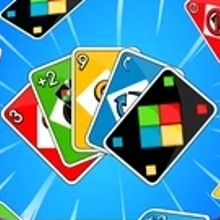
The first hand hits the table with that soft card hiss and everybody sits up just a little taller. Four colors, numbers humming like streetlights, a tidy pile in the middle that promises polite chaos. You match a red 7 because it looks friendly, someone snaps a red Reverse like a door swinging back in your face, and suddenly you’re awake. 4 Colors Multiplayer isn’t about memorizing tricks so much as feeling the table’s pulse. Who hesitated when blue came up. Who burned a wild too early. Who smiles exactly when they should be worried. The rules are simple—match color or number, manage your hand, call last card at the right time—but the game underneath is reading people and arranging tiny moments so they fall your way.
🃏 Action Cards, Tiny Earthquakes
Skip is a wink that tilts the orbit. Reverse is a gust of wind that flips your plan from defense to offense without warning. Draw Two is the universal groan and the private grin. Wild is a clean slate. Wild Draw Four is theater with a drumroll. The cards aren’t complicated, but the timing is. Sometimes you play a Skip not to hurt the next player, but to protect the one after that because they’re sitting on a penalty bomb you’d rather dodge. Sometimes you hold a Reverse for six turns, let everyone forget you have it, then spin the whole table just so the leader has to swallow the color they hate. Good hands don’t just win—they tell a story about tempo, pressure, and the moment you decided to stop reacting and start conducting.
🧠 Table Reading Without the Poker Face
You don’t need sunglasses. You need soft attention. A quick pass on green usually means that suit is thin. A player who stalls on tens but flows on fours is broadcasting a shape, even if they don’t know it. Track small things. Who always changes away from blue. Who hoards wilds. Who never bluffs the “last card” call and who weaponizes it like a foghorn. Even with strangers, patterns bloom in two rounds. In private rooms with friends, patterns grow personalities. Your cousin loves stacking penalties; your roommate refuses to change off yellow; your best friend can’t resist playing sequential numbers because it “feels tidy.” You bait, you nudge, you collect quiet data and spend it exactly once, at the turn that matters.
🎯 Micro Tactics That Feel Like Magic
Open with a middle number to map responses. Drip small matches to force someone else to change the color for you. When penalties are flying, a Reverse can be a shield instead of a sword—bounce that Draw Two back where it started. Save a Wild if your hand contains two near-runs in different colors; let other people steer, then take the wheel at the last intersection. If you’re down to two cards of the same color, throw the one that invites a change, not the one that locks the lane. And the “last card” call? Do it with your heartbeat under control. If you shout it like a victory lap, someone will feed you the exact shade you can’t play. Calm sells the bluff better than any emote.
🕹️ Rhythm That Finds You Mid-Round
At first the turns feel like a metronome. Tap, decide, place. Then a hand or two later, flow sneaks in. You start looking two seats ahead, not just left and right. You hold a card for one more rotation because you can sense the Reverse coming from three o’clock. You change to blue not because you want blue, but because the player after you hates blue and the table needs a stall. The interface keeps out of the way: legal moves glow without nagging, draw counts stay visible so you can feel pressure honestly, and the discard color is bright enough that nobody ever claims “I didn’t see it.” The UI deals, you deal with it, and the strategy gets to be the loudest thing in the room.
🏆 Modes, House Rules, and the Shape of Chaos
Solo versus AI is a tidy lab where you rehearse tricks without getting roasted by friends. Public matchmaking is a parade of styles—speed demons, hoarders, comedians who play a Wild Draw Four as an apology and then change to green. Private rooms are where legends happen. Toggle stacking if you crave storms. Enable jump-in and the table starts to feel like a dance floor: timing, reflex, laughter, surprise. Seven-swap turns a neat plan into a soap opera—are you willing to hand over a gorgeous spread just to stop a sure win. House rules don’t just change outcomes; they change personalities. You’ll discover versions of yourself you didn’t know existed: the patient gardener, the chaos surfer, the politest villain at the table.
💬 Social Energy That Stays Playful
Quick emotes do the heavy lifting. A tiny cheer after a slick combo. The universal shrug when someone digests six cards in one bite. The tone lands somewhere between family kitchen and Friday night lobby. Rounds are short on purpose; there isn’t time to sulk. Losing a hand just becomes prelude to the better story you plan for the next one. Compliment a neat finish, tease a friendly misplay, and the room breathes easier. A generous table actually makes bolder plays more common, because nobody is scared to try the clever move that might backfire. That’s good for everyone’s highlights reel.
🔄 Comebacks Without Miracles
Down bad. Thick hand. Clashing suits. It looks impossible until you remember that impossible often means “two decisions away.” Prune to one color quietly. Accept a draw now to create flexibility later. Use Reverse to ricochet a penalty into the player most likely to break the logjam. Chain two ordinary numbers to force a color shift that frees both of your anchors. The best comebacks in 4 Colors Multiplayer aren’t coin flips—they’re stacked choices. You build three small advantages in a row, and then it looks like luck because the payoff happens in a single turn. Smile and let them believe in luck; you’ll take the credit in the rematch.
🧰 Hand Management, The Real Superpower
A flashy Wild is nice, but distribution wins nights. Keep one escape hatch until the final four cards. Track parity—if you’re rich in odd numbers, hold a single even to bridge awkward gaps. Don’t burn both Draw Twos at the first hint of danger; use one to signal, keep one to punish impatience. If you must telegraph, telegraph strength. Drop a confident number after a Reverse and people assume you’re loaded in that color, which can scare the table into gifting you a shift. The secret mantra is simple: create exits before you need them, then take the one that makes someone else panic.
🎭 The Art of the Last Lap
Two cards left is where nerves pretend to be strategy. Protect the penultimate card more than the flashy finisher; it’s the bridge. If your final is fragile—say, a single color with no duplicates—steer the table into a lane where the player before you has already shown they can’t follow. Call last card on the beat, not over it. If a penalty bomb starts cooking across the table, sometimes the bravest move is to pass on a legal play and draw on purpose so you can pair into a cleaner exit on the next go. It feels wrong. It wins more than it should.
🎶 Sound, Silence, and the Little Clicks That Matter
There’s a tiny satisfaction in the card slap when a combo lands, a brighter chime when someone flips the color at the perfect moment, and a playful hush right before a big penalty stack resolves. Even the quiet between turns does work—you hear yourself think. Three ideas jostle, one emerges, you place the card, and the table tilts your way by a single degree. That’s the game at its best: a bunch of small degrees lining up into a turn you’re proud to explain later.
🧭 Friendly Pointers Before the Next Deal
Start neutral, learn loudly. Count passes on each color. Reverse is a parachute until it isn’t; know who you’re handing the wind to. Stack penalties with purpose, not revenge. Keep a flexible answer in your pocket as long as you can stand it. When you change color late, aim at the happiest opponent—force them to prove they deserve that smile. And breathe when you call last card. Calm hands win messy tables.
✨ Why One More Hand Feels Like the Right Idea
Because no two tables play the same. Because your best turn today was a Skip that rescued a friend and trapped the leader, and you want to see if it was genius or luck. Because the perfect Wild at the perfect moment feels like stepping onto a moving walkway that only you can see. Mostly because 4 Colors Multiplayer respects the classic rules and still finds new ways to make them sing. You leave a match with a story, and stories are addictive. Shuffle up. Try the patient line you didn’t choose last time. Bluff softer, or louder, depending on the room. The colors are bright, the choices are honest, and the win you’re about to steal will feel earned long before the final card hits the pile on Kiz10.













 2 (152 votes)
 Share
Share
 Embed
Embed


