𝗧𝗛𝗘 𝗩𝗢𝗜𝗖𝗘 𝗦𝗢𝗨𝗡𝗗𝗦 𝗖𝗔𝗟𝗠, 𝗪𝗛𝗜𝗖𝗛 𝗜𝗦 𝗘𝗫𝗔𝗖𝗧𝗟𝗬 𝗪𝗛𝗬 𝗬𝗢𝗨 𝗦𝗛𝗢𝗨𝗟𝗗 𝗡𝗢𝗧 𝗧𝗥𝗨𝗦𝗧 𝗜𝗧 🚪
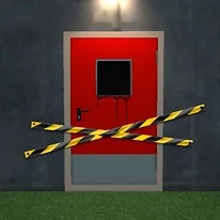
Don’t go through that Door begins with one of the nastiest little ideas a horror game can use: a warning that feels personal. Not a dramatic siren. Not a giant monster roaring in the distance. Just a voice. Calm, persistent, unsettling in the way only a voice can be when it seems to know more than you do. It tells you what not to do. It warns you. Sometimes it pleads. And because you are human, and because humans are catastrophically talented at making curiosity sound noble, the entire game becomes a battle between obedience and rebellion.
That is the real hook. The doors are not just doors. They are tests. Each one is a dare disguised as a choice. The moment you cross a threshold, reality starts behaving like it has been waiting for permission to fall apart. A quiet room can become a nightmare in seconds. A corridor can vanish behind you like it never existed. A memory can take physical shape and stand there in front of you like the world suddenly remembered something it should have kept buried. The game thrives on this instability, and that makes every decision feel much heavier than a normal “left or right” horror choice.
On Kiz10, Don’t go through that Door stands out because it turns something incredibly simple into pure psychological pressure. You are not being asked to win a fight. You are being asked to decide whether your own need to know is worth what comes next. That is much worse.
𝗞𝗡𝗢𝗪𝗜𝗡𝗚 𝗪𝗛𝗔𝗧 𝗜𝗦 𝗕𝗘𝗛𝗜𝗡𝗗 𝗧𝗛𝗘 𝗗𝗢𝗢𝗥 𝗜𝗦 𝗧𝗛𝗘 𝗪𝗛𝗢𝗟𝗘 𝗣𝗥𝗢𝗕𝗟𝗘𝗠 🕳️
The genius of the game is that it builds horror out of one of the oldest human instincts there is. We want to know. We want to look. We want to open the thing we were told not to open, even when every instinct is screaming that the warning was probably there for a reason. Don’t go through that Door weaponizes that instinct beautifully. The fear is not only in what is behind the door. It is in the moment before it opens, when your imagination is doing half the work and your hand still moves anyway.
That makes the tension feel different from a more traditional survival horror game. Here, fear is not only about what chases you. It is about the decision itself. The act of choosing becomes the threat. Should you listen to the voice? Is the voice trying to save you, manipulate you, or train you into some larger trap? Is disobedience freedom, or is it exactly what the game wants from you? These questions do not sit politely in the background. They become the atmosphere.
That is why the game lingers. The scary part is not only the room. It is the realization that you opened it.
𝗧𝗛𝗘 𝗪𝗢𝗥𝗟𝗗 𝗗𝗢𝗘𝗦 𝗡𝗢𝗧 𝗝𝗨𝗦𝗧 𝗖𝗛𝗔𝗡𝗚𝗘. 𝗜𝗧 𝗥𝗘𝗔𝗖𝗧𝗦 🧠
One of the strongest things about Don’t go through that Door is how it treats space. The environment is not stable, and that changes everything. In a lot of horror games, a room is a room. A corridor is a corridor. You may be afraid of what is inside it, but at least the world stays structurally honest. This game has no such manners. Doors rewrite the logic of the place. Rooms rearrange. Paths disappear. Familiar areas become wrong in subtle ways and then, sometimes, in very loud ones.
That kind of instability is incredibly effective because it attacks the player’s trust. Once the environment proves that it can shift behind your back, every decision becomes heavier. Safety stops feeling real. Memory stops feeling useful. You start walking through the game with the sense that even if you knew the correct path once, the world may have changed its mind since then. That uncertainty gives the exploration real teeth.
It also makes every threshold feel theatrical. You are not just moving from one room to another. You are giving the game permission to reinterpret reality again. A simple door becomes a mechanism for dread, and that is a clever piece of design.
𝗢𝗕𝗘𝗗𝗜𝗘𝗡𝗖𝗘 𝗔𝗡𝗗 𝗥𝗘𝗕𝗘𝗟𝗟𝗜𝗢𝗡 𝗕𝗢𝗧𝗛 𝗙𝗘𝗘𝗟 𝗟𝗜𝗞𝗘 𝗕𝗔𝗗 𝗜𝗗𝗘𝗔𝗦 😈
Most games make the player feel empowered by choice. Don’t go through that Door does something much more interesting: it makes choice feel suspicious. Obey the voice and maybe you survive a little longer, but perhaps you are also giving control to something that does not deserve it. Defy the voice and maybe you uncover the truth, but perhaps the truth was the trap all along. The game constantly keeps those two interpretations alive, which is why the tension never settles into something easy.
That psychological push and pull is where the game gets its best energy. You are not deciding between good and bad. You are deciding between different kinds of dangerous. The warning may be sincere. The warning may be bait. The voice may be your only guide. The voice may be the puppeteer pretending to be a guide. There is no stable answer, and the game clearly enjoys that.
This makes the experience feel much more personal than a standard haunted-house setup. The horror is not just in the environment. It is in your relationship with the instructions. Every door becomes a moral argument you are probably going to lose.
𝗧𝗛𝗘 𝗩𝗢𝗜𝗖𝗘 𝗜𝗦 𝗡𝗢𝗧 𝗝𝗨𝗦𝗧 𝗡𝗔𝗥𝗥𝗔𝗧𝗜𝗢𝗡, 𝗜𝗧 𝗜𝗦 𝗣𝗥𝗘𝗦𝗦𝗨𝗥𝗘 🎙️
A mysterious voice can be a cheap trick in weaker horror games. Here, it feels central. That is because the voice is not only explaining things. It is shaping the emotional temperature of the whole experience. A warning delivered at the right time can make a normal room feel dangerous. A plea can make a simple door feel emotionally loaded. The fact that the voice reacts to your behavior makes it even more effective. It is not static background noise. It is participating.
That participation matters because it makes the player feel observed. Even when nothing visually terrifying is happening, the voice can keep the tension alive by changing its tone, its urgency, or its confidence depending on what you do. That gives the narrative a strange intimacy. The game feels like it is in conversation with you, and the worst part is that the conversation never feels trustworthy.
This is also where the psychological horror becomes more than just aesthetics. The voice is your compass, but it may also be the hand moving the compass when you are not looking.
𝗤𝗨𝗜𝗘𝗧 𝗥𝗢𝗢𝗠𝗦 𝗔𝗥𝗘 𝗢𝗙𝗧𝗘𝗡 𝗧𝗛𝗘 𝗠𝗢𝗦𝗧 𝗗𝗔𝗡𝗚𝗘𝗥𝗢𝗨𝗦 𝗣𝗔𝗥𝗧 ✨
One of the best details in Don’t go through that Door is how willing it is to weaponize ordinary spaces. A room does not have to be full of gore or screaming monsters to feel wrong. Sometimes a little sunlight can be more unsettling than darkness if it appears in the wrong place. Sometimes a peaceful corner becomes terrifying because you now know the world can rearrange itself behind you. The game understands that contrast very well.
That means it does not need to scream at the player constantly. It can move from calm to nightmare in a blink, and that unpredictability keeps the mood alive. If everything were always loud and monstrous, the fear would flatten. Instead, the game keeps shifting its tone. Quiet rooms. Forgotten horrors. Sudden surreal turns. The result is a psychological horror experience where your nerves never fully settle, because the game has already shown that peace is not necessarily safety.
That style also makes exploration more compelling. You want to see what is next, even when you suspect that seeing it might be a mistake. That contradiction is the game’s sharpest weapon.
𝗧𝗛𝗘 𝗚𝗔𝗠𝗘 𝗪𝗔𝗡𝗧𝗦 𝗬𝗢𝗨 𝗧𝗢 𝗗𝗢𝗨𝗕𝗧 𝗬𝗢𝗨𝗥𝗦𝗘𝗟𝗙, 𝗔𝗡𝗗 𝗧𝗛𝗔𝗧 𝗜𝗦 𝗪𝗛𝗘𝗥𝗘 𝗜𝗧 𝗪𝗜𝗡𝗦 🫀
What makes Don’t go through that Door more memorable than a basic scare game is that it attacks confidence. It does not only want to frighten you. It wants to make you question whether your next choice is meaningful, manipulated, brave, foolish, or all four at once. That doubt makes the horror feel much more intimate. You are not only reacting to monsters. You are arguing with your own instincts.
That is why the game feels so psychologically effective. Curiosity becomes a threat. Disobedience becomes seductive. Caution becomes suspicious. Even when you try to play safely, the game finds ways to make that safety feel compromised. It is a smart structure because it keeps the player emotionally active. You are never just walking. You are choosing, second-guessing, and dreading the cost of being wrong.
On kiz10.com, this game is a strong fit for players who enjoy psychological horror, surreal exploration, reality-shifting environments, and narrative tension built around uncertainty instead of simple combat. It has a concept strong enough to carry the whole experience, and it knows exactly how to torture that concept until every door feels heavier than it should.
Don’t go through that Door is the kind of horror game that understands something deeply unpleasant: people are often most afraid when they are one decision away from knowing more. And still, they open it.





 Share
Share
 Embed
Embed