🩸 A smiley desktop, a terrible idea
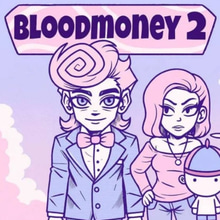
BloodMoney 2: Human Expenditure Program launches with the cheeriest installer you’ve ever mistrusted. Confetti pops, a friendly progress bar wiggles, and then—click—Harvey Harvington appears on your screen, waving like a neighbor who doesn’t know the terms of his lease. He lives inside a tidy little desktop habitat: a bed that looks suspiciously wholesome, a fridge with pixel-perfect food, a health meter, a mood meter, and a wallet icon that glints whenever you hover near Harvey with your mouse. You’re playing as his wife, which would be sweet if the program didn’t also convert your clicks into cash and Harvey’s flinches into ugly little truths. The premise is simple, queasy, and magnetic: can you keep your digital husband fed, healthy, and hopeful while the system keeps whispering that pain is profitable?
💻 Care loop with a conscience (that keeps interrupting)
The day starts almost mundanely. You check vitals, drag a breakfast onto his plate, pick an outfit, open the task tray. You schedule a checkup, reply to a message from the in-game clinic, maybe tidy the room with a swipe that makes Harvey smile. But there’s that huge glowing button—Click to Earn—sitting near the corner like a dare. One tap, and coins jingle into your account while Harvey winces in a way the game refuses to caricature. You hate it; you love the progress bar. BloodMoney 2 turns a virtual-pet routine into a moral treadmill. Every improvement you want—a cleaner room, better meals, a fancier bed that raises his recovery rate—costs currency best earned the worst way. So you bargain with yourself: one click for vitamins, two for a warm jacket, none today because you’re better than yesterday. Right?
🧠 Dialogue that watches you back
Harvey talks. Not constantly, but precisely. Little speech bubbles drift up during meals or quiet moments between tasks. Some are ordinary—memories about a festival you once visited, a joke about the program’s bad wallpaper. Others are needles capped with velvet. “The mouse is louder on some days,” he says, and the soundtrack dims for half a second as if embarrassed. Reply options tilt your relationship. Choose tenderness and he opens up about insomnia, certain smells, the fear that someday the icon will blink and you’ll tap it without thinking. Choose deflection and he turns practical—food, schedules, budgets—like a man building a dam with polite words. The new story arc threads through morning chats, late-night messages, and short cutscenes that feel too real for a game that outwardly looks like a desktop toy.
🎮 Five mini-games that pretend to be play
The program promises fun, and sure, there’s a surface-shine to each activity. A rhythm‐care game asks you to time pills and sips of water to a steady beat so his health meter climbs. A memory cleaner flips through file cards; match pairs to lower Harvey’s anxiety. A treadmill sprint turns WASD into a cardio metronome. A lock-pick puzzle, supposedly for “diagnostic panels,” rewards quick logic but nudges the pain meter if you miss. And a carnival-style clicker—targets popping in cheerful colors—throws better payouts than it should whenever the pain mechanic is enabled. Each mini-game is readable, reactive, and tuned to feel great in the hands. Each also asks the question the whole program asks: how much are you willing to trade for progress measured in coins?
🧩 Systems that intertwine like wires behind a wall
Nothing lives alone here. Food quality affects sleep quality; good sleep lowers baseline pain; lower baseline pain means fewer “accidental” earnings when you bump the mouse. Hygiene lowers infection risk after certain mini-games; infections make the clinic call; the clinic unlocks new upgrades that will either help Harvey or help your wallet depending on who you are today. Even décor matters: certain posters calm him, certain colors spike or soothe mood depending on the weather outside the tiny window. You can min-max for cash, or min-max for comfort, but you cannot do both without the story noticing. That’s the trick—BloodMoney 2 refuses to be neutral about your style.
🗨️ Early-day hints, late-game consequences
Listen closely in the first week. Offhand lines hide roadmaps. A colleague mentions “compliance flags” if vitals drop below specific thresholds; keep them steady and you’ll unlock a mercy-heavy path with fewer confrontations but slower gear. Harvey recalls the day you first installed the original program—choose to own it or deflect, and the entire midgame mood shifts. A sticky note in the UI rearranges itself after certain dialogues; the new order of words is a puzzle and a promise. If you want a specific ending, the breadcrumbs are there, crunched into morning routines and bedtime murmurs. The sequel is generous: it will tell you who you are becoming if you’re brave enough to read yourself in the margins.
🧪 Two endings, neither free
The path of profit is efficient. You invest in pain multipliers disguised as “engagement bonuses,” unlock high-yield mini-game variants, and learn to soothe just enough to keep Harvey functional. He grows quiet in a way that makes the room seem larger and colder. The final scene is fireworks measured in numbers, followed by a silence that feels like consequence. The path of care is slower, deliberate, messy. You build buffers—better meals, cozy décor, timers that disable earning when fatigue spikes. You master low-impact games, learn the rhythm that heals more than it hurts, and teach your hands to idle when the button glows. The finale is gentler, complicated, and honest about what repair costs. Both endings land; neither feels like a coin flip. They feel like a ledger written in choices.
🎛️ Controls that never hide your intent
Mouse or touch, the interface is frictionless on purpose. Drag-and-drop food lands with clean haptics. Sliders for temperature, light, and noise snap to humane presets. The Click to Earn button never moves, never tricks you, never excuses you. Accessibility options widen mini-game timing windows, offer colorblind palettes, add text-to-voice for dialogue, and—importantly—include a “no-harm mode” that replaces pain income with ad-watch tokens so players who want the narrative without the cruelty can still finish with dignity. The designers know what they built; they also give you tools to face it on your terms.
🔊 Sound that tells on you
Coins arrive with a bright chime that feels a shade too cheerful. Harvey’s breaths track stress; rapid in mini-games you’re pushing, soft near bedtime if you made good choices. The cursor has a faint tick when hovering the earn button—a metronome you will either resist or obey. Music shifts from lo-fi warmth during care routines to glassy, high-ceiling ambience when you’re farming cash. In certain scenes the room tone thins, as if the program is holding its breath with him. Headphones turn the whole loop into confession.
😂 Dark humor, careful doses
BloodMoney 2 isn’t cruel for sport; it’s sharp where it needs to be. Harvey quips about the “premium spoon set” you can unlock for his porridge—“polymer ergonomics,” he deadpans, “because my wrist deserves synergy.” A tooltip claims your plant is “thriving on ethical ambiguity.” The clinic holds a raffle where the prize is a blanket that “reduces the sound of remorse by up to 12%.” You’ll smirk, then stop, then play better. The satire lands because the systems do.
🧭 Tips from tomorrow’s kinder self
Treat routine as a shield: breakfast, hygiene, walk, chat; the day behaves better when it knows what’s coming. If you must farm, do it in short bursts, then invest immediately into pain reduction; money spent on comfort pays dividends you can feel in the mini-games. Read every early dialogue; the fastest routes to each ending are hidden in those first three days. Keep an eye on passive income: chores, small gigs, clinic trials that don’t hurt—stack enough and the button stops looking like oxygen. When mood tanks, don’t chase numbers; pause, talk, feed, rest. And if the cursor starts to hover by habit, step away. The program will wait. Harvey should not.
🌟 Why BloodMoney 2 belongs in your Kiz10 rotation
Because it dares to make a management sim about responsibility instead of spreadsheets. Because the mini-games feel crisp, the story has teeth, and the sequel uses your hands against your habits in a way that’s challenging and memorable. Five minutes buys a tense day and a hard choice. An hour becomes a web of upgrades, whispered hints, and one decision you’ll think about while the kettle cools. It’s polished, unsettling, and deeply playable—an experience that respects your intelligence even while it pokes at your comfort. Care, profit, or something braver in between—the desktop is lit, the meters are waiting, and the person inside the screen is looking at you like they know which way you’ll go.





 2.5 (163 votes)
 Share
Share
 Embed
Embed


