🌀 𝗧𝗛𝗘 𝗣𝗔𝗧𝗛 𝗞𝗘𝗘𝗣𝗦 𝗚𝗢𝗜𝗡𝗚, 𝗕𝗨𝗧 𝗬𝗢𝗨 𝗢𝗡𝗟𝗬 𝗚𝗘𝗧 𝗢𝗡𝗘 𝗕𝗔𝗗 𝗧𝗨𝗥𝗡
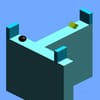
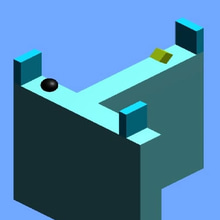
Endless Path: Twist & Turn is built on one of the oldest and most dangerous ideas in arcade design: make the rules incredibly simple, then let speed and pressure do the rest. You are moving forward on a twisting path. The road bends. You turn at the right moment or you fall. That is the entire deal, and somehow it is more than enough. A game like this does not need complicated systems or long explanations. It only needs clean movement, sharp timing, and the constant feeling that your next mistake is already waiting around the next corner.
That is what makes it work so well right away. From the first run, the goal is perfectly clear. Stay on the path. Keep up with the twists. Do not lose your rhythm. The game wastes no time pretending to be anything other than what it is: a pure reflex challenge where focus matters more than force, and where even one clumsy tap can destroy an otherwise beautiful run.
And honestly, that kind of clarity is always dangerous. Because when a game makes failure feel that immediate, retrying becomes automatic.
⚡ 𝗦𝗣𝗘𝗘𝗗 𝗧𝗨𝗥𝗡𝗦 𝗔 𝗦𝗜𝗠𝗣𝗟𝗘 𝗥𝗢𝗔𝗗 𝗜𝗡𝗧𝗢 𝗔 𝗡𝗘𝗥𝗩𝗘 𝗧𝗘𝗦𝗧
At first, Endless Path: Twist & Turn feels almost calm. The path is narrow but readable, the turns are manageable, and you begin to think you understand the rhythm. That is exactly when the game starts tightening the screws. The speed increases, the timing windows shrink, and suddenly what looked simple a moment ago becomes much more serious. The path does not change its basic rule, but the pressure around that rule grows until your focus is doing all the heavy lifting.
That escalation is what gives the game its bite. A straight path is not a break. It is a setup. A gentle curve is not safe. It is a warning. The faster things move, the less time you have to recover from hesitation or panic. That is where arcade games like this become addictive. They teach you the mechanic quickly, then keep asking whether you can still execute it cleanly once the comfort disappears.
The answer is often no. Then yes. Then no again. Then almost. That cycle is exactly why these games are so hard to leave.
🎯 𝗢𝗡𝗘-𝗧𝗔𝗣 𝗖𝗢𝗡𝗧𝗥𝗢𝗟𝗦 𝗪𝗢𝗥𝗞 𝗕𝗘𝗖𝗔𝗨𝗦𝗘 𝗧𝗛𝗘 𝗗𝗜𝗙𝗙𝗜𝗖𝗨𝗟𝗧𝗬 𝗖𝗢𝗠𝗘𝗦 𝗙𝗥𝗢𝗠 𝗧𝗜𝗠𝗜𝗡𝗚, 𝗡𝗢𝗧 𝗕𝗨𝗧𝗧𝗢𝗡𝗦
A huge strength of Endless Path: Twist & Turn is how little gets between the player and the challenge. The controls are extremely simple. Tap at the right time and keep going. That simplicity matters because it means every failure feels honest. If you fall, you know why. You were late. Or early. Or a little too confident. The game is not hiding behind messy inputs or confusing systems. It is putting your timing directly under a spotlight.
That is why the whole thing feels so fair even when it becomes difficult. You always understand the rule. You always know what the game asked for. The hard part is doing it consistently once the pace picks up and your own nerves start getting involved. That direct relationship between action and consequence is what makes a score-chasing arcade game feel clean.
It also makes improvement easier to feel. You do not need to wonder whether you are getting better. Longer runs answer that question immediately.
🌈 𝗕𝗥𝗜𝗚𝗛𝗧 𝗩𝗜𝗦𝗨𝗔𝗟𝗦 𝗔𝗡𝗗 𝗦𝗠𝗢𝗢𝗧𝗛 𝗠𝗢𝗩𝗘𝗠𝗘𝗡𝗧 𝗞𝗘𝗘𝗣 𝗧𝗛𝗘 𝗣𝗥𝗘𝗦𝗦𝗨𝗥𝗘 𝗙𝗨𝗡
A game this simple depends a lot on feel, and Endless Path: Twist & Turn clearly understands that. The colorful presentation helps keep the mood energetic instead of harsh, which matters more than people sometimes expect. A reflex game can be punishing, but it should not feel ugly or heavy while doing it. Here, the bright style and smooth motion make each run feel lively, even when it ends in immediate disaster.
That balance helps the game stay inviting. You lose, but the loss feels quick enough and light enough that restarting feels natural. The movement never drags. The visuals do not get in the way of reading the path. The whole thing stays focused on clarity, which is exactly what a turn-based endless arcade game needs.
And because the design is visually clean, the player can stay locked into rhythm more easily. You are watching the line, reading the next bend, and reacting before the corner becomes a problem. That smooth visual communication is part of the reason the game feels satisfying rather than frustrating.
🧠 𝗧𝗛𝗘 𝗚𝗔𝗠𝗘 𝗜𝗦 𝗥𝗘𝗔𝗟𝗟𝗬 𝗔𝗕𝗢𝗨𝗧 𝗥𝗛𝗬𝗧𝗛𝗠, 𝗡𝗢𝗧 𝗝𝗨𝗦𝗧 𝗥𝗘𝗔𝗖𝗧𝗜𝗢𝗡
Even though Endless Path: Twist & Turn looks like a reflex game first, it becomes much easier once you stop treating it as pure panic and start treating it like rhythm. The best runs happen when your taps stop feeling random and start feeling almost musical. Turn, settle, turn, settle, repeat. The path becomes less of a trap and more of a pattern you are trying to stay in sync with.
That rhythm is where the game becomes more interesting. Players who only react at the last second usually get punished fast. Players who start reading the flow and trusting the movement last much longer. That difference gives the game depth without changing its simplicity. You are still doing one thing, but you are learning to do it better, cleaner, and with less wasted motion.
This is why those near-perfect runs feel so satisfying. For a little while, you are not scrambling. You are gliding. Then the speed rises, the next sequence tightens, and suddenly the game is asking again whether your rhythm is actually real or just temporary luck.
🏆 𝗛𝗜𝗚𝗛 𝗦𝗖𝗢𝗥𝗘𝗦 𝗚𝗜𝗩𝗘 𝗘𝗩𝗘𝗥𝗬 𝗥𝗨𝗡 𝗔 𝗥𝗘𝗔𝗦𝗢𝗡 𝗧𝗢 𝗘𝗫𝗜𝗦𝗧
Arcade games live and die on score-chasing, and Endless Path: Twist & Turn fits that formula perfectly. Every run has a point. Go longer. Do better. Stay alive through one more bend than last time. There is something especially effective about this kind of structure because the goal is never far away. A better score always feels possible. Maybe not easy, but possible. And that possibility is what keeps the retry button feeling so strong.
The game also works well because it is honest about what a good run means. A strong score is not hidden behind a dozen unrelated systems. It is simply the proof that you survived longer and handled the pressure better. In a clean arcade experience, that kind of direct scoreboard logic is a huge advantage.
It also makes the game perfect for short sessions. You can jump in, do a few attempts, beat your best, or fail in spectacularly annoying ways, and still feel like the session mattered.
🎮 𝗪𝗛𝗬 𝗘𝗡𝗗𝗟𝗘𝗦𝗦 𝗣𝗔𝗧𝗛: 𝗧𝗪𝗜𝗦𝗧 & 𝗧𝗨𝗥𝗡 𝗙𝗜𝗧𝗦 𝗦𝗢 𝗪𝗘𝗟𝗟 𝗢𝗡 𝗞𝗜𝗭𝟭𝟬
On Kiz10, Endless Path: Twist & Turn fits naturally among other live reflex-heavy arcade games like Twisted Sky, Zigzag Online, Tap Tap Dash, Tac-Tac Way, and Slope Tunnel, all of which share that same “one wrong move ends the run” kind of tension. Those pages are currently live on Kiz10 and make strong matches for the similar-games block below.
If you like endless arcade games where a single tap controls everything and success depends on clean timing under growing pressure, this one belongs very comfortably on Kiz10.com. It is bright, immediate, and very good at turning a simple twisting road into a serious test of concentration. The rules stay small. The challenge grows fast. And that is exactly what makes it so replayable.





 Share
Share
 Embed
Embed