𝗧𝗵𝗿𝗲𝗲 𝘀𝗽𝗼𝗿𝘁𝘀, 𝗼𝗻𝗲 𝗯𝗿𝗮𝗶𝗻, 𝘇𝗲𝗿𝗼 𝗿𝗲𝘀𝘁 🏁😅
Extreme Triathlon on Kiz10 doesn’t treat a triathlon like a polite weekend hobby. It treats it like a survival test where your lungs, your timing, and your focus all argue at the same time. One second you’re sprinting, the next you’re cutting through water, and then you’re pedaling like the road personally insulted you. It’s that classic triathlon fantasy in compact browser form: no long setup, no complicated menus, just you and the brutal little truth that transitions matter as much as speed.
The best thing about this game is how quickly it flips your mindset. At first, you think, okay, I’m good at racing games, I’ll just go fast. Then you realize triathlon speed is different. It’s not one rhythm, it’s three rhythms, and the hard part is switching without losing control. If you rush the running part, you enter swimming already messy. If you get sloppy in swimming, you start cycling behind. And once you’re behind in a triathlon game, your brain does that dramatic thing where it tries to “make up time” and usually makes everything worse. That’s the loop. It’s fun because it’s honest.
𝗦𝘁𝗮𝗿𝘁 𝗹𝗶𝗻𝗲 𝗻𝗲𝗿𝘃𝗲𝘀 🏃♂️⚡
The running segment feels like the opening punch. It’s where you set your pace, where you decide if you’re going to be smooth or reckless. Extreme Triathlon rewards the player who runs with control, not just aggression. You’ll feel it immediately: clean movement keeps your flow stable, while panic movement burns your rhythm and makes you react late. There’s a certain comedy to it too, because the first leg can feel “easy” right up until the game reminds you, politely, that you still have two sports left.
And the weird part is how you start thinking like an athlete instead of a gamer. You begin to respect pacing. You start reading the space ahead, staying steady, avoiding little mistakes that add up. Not because the game gives a lecture, but because the triathlon structure punishes sloppy momentum. Even a small wobble early can echo into the later legs, and you feel that echo.
𝗪𝗮𝘁𝗲𝗿 𝗶𝘀 𝗮 𝗱𝗶𝗳𝗳𝗲𝗿𝗲𝗻𝘁 𝗸𝗶𝗻𝗱 𝗼𝗳 𝗽𝗿𝗲𝘀𝘀𝘂𝗿𝗲 🏊♂️🌊
Swimming is where a lot of players suddenly get quiet. Running feels familiar. Swimming changes the rules. Your movement rhythm shifts, your timing changes, and the game becomes about keeping a smooth line without wasting energy in awkward corrections. It’s easy to overreact in water sections, especially if you’re trying to catch up. You push too hard, you drift out of the best lane, you lose efficiency, and now you’re fighting the water instead of using it.
The best runs are the ones where you treat swimming like a glide. Calm, steady, and focused on consistency. It’s not about being dramatic, it’s about staying clean. And when you do it right, it feels great because it’s a different kind of satisfaction. Running is loud satisfaction. Swimming is quiet satisfaction. You’re not “dominating,” you’re moving like you belong there.
𝗧𝗵𝗲 𝘁𝗿𝗮𝗻𝘀𝗶𝘁𝗶𝗼𝗻 𝗶𝘀 𝘁𝗵𝗲 𝗿𝗲𝗮𝗹 𝗯𝗼𝘀𝘀 🧠🔁
Here’s where Extreme Triathlon gets sneaky good: the transitions. In most sports games, you just keep doing the same thing and try to do it faster. In triathlon games, you have to switch gears mentally. Your hands want to keep the old rhythm. The game demands a new rhythm immediately. That tiny gap between what you’re used to and what you need now is where mistakes happen.
Transitions are where you lose “free time” without noticing. You hesitate for half a second. You mis-time a change. You enter the next leg slightly off. And suddenly you’re not just racing, you’re recovering. The game makes you respect the idea of staying composed. If you can transition smoothly, you don’t just save time, you save mental energy. And mental energy is everything in a three-part race because the last leg doesn’t care how well you started.
𝗖𝘆𝗰𝗹𝗶𝗻𝗴: 𝘁𝗵𝗲 𝗹𝗲𝗴 𝘁𝗵𝗮𝘁 𝗲𝗶𝘁𝗵𝗲𝗿 𝘀𝗮𝘃𝗲𝘀 𝘆𝗼𝘂 𝗼𝗿 𝗲𝘅𝗽𝗼𝘀𝗲𝘀 𝘆𝗼𝘂 🚴♂️🔥
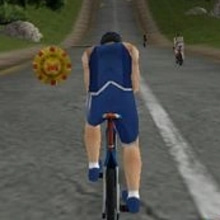
Cycling is where the whole run can flip. You get that satisfying feeling of speed, that smooth forward drive that makes you think, okay, I can recover here. And you can… if you stay disciplined. This is where players get greedy. The bike leg invites greed because it feels fast. It feels like the place where you can “fix” everything. But overcommitting here can be just as costly as mistakes earlier, because one bad decision turns into a bigger loss when you’re moving at higher speed.
The bike segment in Extreme Triathlon feels like a test of control under momentum. It asks you to ride clean, hold your lane, and avoid letting adrenaline take over. When you stay smooth, you feel powerful. When you chase too hard, you start making jagged corrections and that’s when things unravel. The best cycling runs feel almost effortless. Not slow, effortless. Fast in a way that looks calm.
𝗧𝗵𝗲 𝗲𝗻𝗱𝗴𝗮𝗺𝗲 𝗶𝘀 𝗽𝘂𝗿𝗲 𝘀𝘁𝗮𝗺𝗶𝗻𝗮 𝗺𝗶𝗻𝗱𝘀𝗲𝘁 🏆😮💨
The final stretch of a triathlon is always the most dramatic part, even in a simple browser game. Because by then, you’re not just racing the opponent, you’re racing your own mistakes. You remember the tiny wobble in the run. You remember the sloppy swim line. You remember the transition that felt rushed. Now you’re trying to finish strong anyway.
That’s what makes Extreme Triathlon satisfying on Kiz10: it compresses the whole triathlon emotion into a short, repeatable challenge. The first attempt is usually messy. The second attempt is smarter. The third attempt is competitive. And then you hit that run where everything clicks and you feel like you “earned” the finish, not because you had perfect speed, but because you stayed composed across three different sports.
𝗦𝗺𝗮𝗿𝘁 𝗽𝗹𝗮𝘆 𝘁𝗶𝗽𝘀 𝘁𝗵𝗮𝘁 𝗮𝗰𝘁𝘂𝗮𝗹𝗹𝘆 𝗺𝗮𝘁𝘁𝗲𝗿 🧊🎯
If you want better results, don’t treat each leg like a separate mini-game. Treat the whole triathlon like one continuous flow. Go a little cleaner on the run so you enter the swim stable. Swim with smoother lines so you exit without scrambling. Ride with steady control so the last part doesn’t become a desperate mess.
Also, stop trying to “win back time” instantly after a mistake. That’s the fastest way to stack mistakes. The best recovery is calm recovery: settle your movement, find your rhythm again, then push. Extreme Triathlon rewards consistency more than wild bursts, because the race is long enough (in feeling) that small errors compound.
When you play it like that, the game feels less like chaos and more like a real triathlon challenge: endurance, controls, and smart transitions. And that’s exactly why it remains fun. You’re always one cleaner run away from feeling like a champion. 🏃♂️🏊♂️🚴♂️🏆














 Share
Share
 Embed
Embed


