𝗔 𝗚𝗔𝗥𝗗𝗘𝗡 𝗧𝗛𝗔𝗧 𝗪𝗔𝗦 𝗗𝗘𝗙𝗜𝗡𝗜𝗧𝗘𝗟𝗬 𝗡𝗢𝗧 𝗥𝗘𝗔𝗗𝗬 𝗙𝗢𝗥 𝗧𝗛𝗜𝗦 🌼
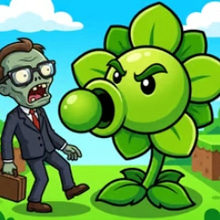
Flowers vs Zombies starts with a very simple problem: zombies are walking toward your garden, and your only reasonable answer is to grow better flowers. Not nicer flowers. Not prettier flowers. Stronger ones. The kind that can stare at a zombie in a tiny suit and say, without words, “No, thank you, not today.”
The game is built around a clean merge-to-defend idea. You place flowers, find two that match, drag one onto the other, and they become a stronger plant. That stronger plant attacks harder, helps hold the line, and gives your garden a better chance when the next wave arrives. It is easy to understand in seconds, but there is enough pressure to make every merge feel important.
On Kiz10.com, Flowers vs Zombies works because it does not overcomplicate the fun. You see the board. You see the zombies. You see your flowers. Then you start making decisions. Should you merge now for fast power? Should you keep two lower-level flowers separate to cover more space? Should you clear room for future combinations? The game looks bright and friendly, but it quietly asks you to think before the undead reach the edge.
𝗧𝗛𝗘 𝗙𝗜𝗥𝗦𝗧 𝗠𝗘𝗥𝗚𝗘 𝗜𝗦 𝗪𝗛𝗘𝗥𝗘 𝗧𝗛𝗘 𝗧𝗥𝗢𝗨𝗕𝗟𝗘 𝗕𝗘𝗚𝗜𝗡𝗦 🧩
The first time two flowers combine, the loop makes sense immediately. Drag, drop, upgrade. A small plant becomes a better defender, and suddenly the garden feels a little safer. That feeling is the hook. The upgrade is instant. The reward is clear. You do not need to wait through a long menu or read a complicated chart. The plant changes, the damage improves, and the next zombie gets a worse afternoon.
But the merge system has a catch. Stronger flowers are useful, yes, but they also reduce the number of plants covering the garden if you are careless. Merging two defenders into one can create more power in a single spot while leaving another lane weaker. That makes the game more interesting than simply combining everything as fast as possible.
A good player watches the whole garden. If one side is busy with zombies, that side needs firepower. If another lane is quiet, maybe it can wait. If you have several low-level flowers, maybe they are better as future merge pieces instead of random decoration. Flowers vs Zombies is a small strategy puzzle pretending to be cute. The petals are friendly. The decisions are not.
𝗭𝗢𝗠𝗕𝗜𝗘𝗦 𝗔𝗥𝗘 𝗦𝗟𝗢𝗪, 𝗕𝗨𝗧 𝗧𝗛𝗘𝗬 𝗔𝗥𝗘 𝗩𝗘𝗥𝗬 𝗖𝗢𝗠𝗠𝗜𝗧𝗧𝗘𝗗 🧟
Zombies arrive in waves, and that gives the game its rhythm. One wave lets you test your current setup. The next asks whether you improved enough. At first, a few basic flowers may be enough to hold back the attack. Then the waves become tougher, and the garden starts showing its weak spots.
This is when placement starts to matter. If your best flower is sitting where no zombie is walking, it may look impressive but do very little. If one lane has too many enemies and not enough damage, that lane becomes the emergency. You need to adjust, merge, and strengthen the right spots before the pressure gets out of control.
The funny part is that the zombies can look silly and still be dangerous. A cartoon enemy can end your run just as effectively as a terrifying one. That contrast gives Flowers vs Zombies its charm. The world is colorful, the characters are playful, and yet the defense challenge is real. A smiling garden still needs a plan.
𝗦𝗣𝗔𝗖𝗘 𝗜𝗦 𝗣𝗢𝗪𝗘𝗥, 𝗗𝗢𝗡’𝗧 𝗪𝗔𝗦𝗧𝗘 𝗜𝗧 🌱
In many merge games, space becomes the hidden enemy. Flowers vs Zombies uses that idea well. You need room to create combinations, but you also need enough defenders to stop the waves. Fill the board without thinking and you may block your own upgrades. Merge too much and you may not have enough coverage. The balance is small, but it matters.
Try not to treat every empty spot as something that must be filled immediately. Empty space can be valuable. It gives you flexibility. It lets you move flowers, prepare merges, and react when the next matching plant appears. A crowded garden can feel safe for a moment, then suddenly become impossible to improve.
This makes the game more satisfying when a plan works. You keep a few open spaces, save matching flowers, merge at the right time, and watch your defense grow instead of jam itself. Nothing dramatic needs to happen. Just one smart merge in the right place can change the wave.
𝗧𝗛𝗘 𝗕𝗘𝗦𝗧 𝗙𝗟𝗢𝗪𝗘𝗥 𝗜𝗦 𝗧𝗛𝗘 𝗢𝗡𝗘 𝗧𝗛𝗔𝗧 𝗖𝗔𝗡 𝗔𝗖𝗧𝗨𝗔𝗟𝗟𝗬 𝗛𝗜𝗧 𝗦𝗢𝗠𝗘𝗧𝗛𝗜𝗡𝗚 🎯
A high-level flower is not magic if it is poorly placed. The garden has lanes, enemy paths, and pressure points. You need to notice where zombies spend the most time and where your plants can attack efficiently. Strong defenders should sit where they can do the most work, not where they simply look nice.
This sounds obvious, but in the middle of merging, it is easy to forget. You focus on combining flowers and suddenly your strongest defender is stuck in a quiet corner while three zombies march through the busy lane like they own the place. The game punishes that kind of tunnel vision.
A better approach is to build around traffic. Watch where enemies cluster. Strengthen those lanes first. Keep backup plants around weaker areas. Use merges to improve defense without creating holes. Flowers vs Zombies rewards players who keep their eyes on both parts of the game: the puzzle board and the incoming wave.
𝗧𝗛𝗘 𝗦𝗔𝗧𝗜𝗦𝗙𝗬𝗜𝗡𝗚 𝗣𝗔𝗥𝗧 𝗜𝗦 𝗪𝗛𝗘𝗡 𝗧𝗛𝗘 𝗚𝗔𝗥𝗗𝗘𝗡 𝗙𝗜𝗡𝗔𝗟𝗟𝗬 𝗖𝗟𝗜𝗖𝗞𝗦 ✨
There is a nice moment in Flowers vs Zombies when your setup starts working. The flowers are placed well. The merges happen smoothly. The zombies enter the lanes and get stopped before they become a serious problem. It feels like the garden has turned into a little machine, and every plant knows its job.
That feeling is what makes the game easy to keep playing. You are always looking for a cleaner setup. A better merge order. A stronger defender. A smarter way to use space. Even when a wave gets close to breaking through, you usually know what went wrong, which makes the next attempt feel possible.
The merge animations help too. They give each upgrade a small burst of satisfaction. It is not just numbers going up. You see the plant improve. You feel the garden becoming stronger. That kind of immediate feedback is important in a casual strategy game because it keeps the action moving without making the player feel lost.
𝗛𝗢𝗪 𝗧𝗢 𝗣𝗟𝗔𝗬 𝗪𝗜𝗧𝗛𝗢𝗨𝗧 𝗟𝗘𝗧𝗧𝗜𝗡𝗚 𝗧𝗛𝗘 𝗭𝗢𝗠𝗕𝗜𝗘𝗦 𝗧𝗢𝗨𝗥 𝗧𝗛𝗘 𝗣𝗟𝗔𝗖𝗘 🧠
Start by keeping the garden organized. Matching flowers should not be scattered everywhere if you can avoid it. The easier it is to spot a merge, the faster you can react during a wave. If two flowers match, think about where the upgraded version will help most before combining them.
Do not ignore low-level flowers. They may look weak, but they are future upgrades. Keeping a few around can help you create stronger plants later. At the same time, do not let too many weak flowers clog the board. If a plant is not helping defense and cannot merge soon, it may be taking up useful space.
Pay attention between waves. That is the best time to clean up the board, combine defenders, and prepare for the next attack. During a wave, emergency merges can save you, but planning ahead is safer. The game is much easier when you are not trying to fix everything while zombies are already chewing on your patience.
𝗪𝗛𝗬 𝗙𝗟𝗢𝗪𝗘𝗥𝗦 𝗩𝗦 𝗭𝗢𝗠𝗕𝗜𝗘𝗦 𝗜𝗦 𝗦𝗢 𝗘𝗔𝗦𝗬 𝗧𝗢 𝗥𝗘𝗣𝗟𝗔𝗬 🌟
Flowers vs Zombies is enjoyable because it gives quick progress without removing strategy. You can play casually and enjoy the bright garden battles, or you can think carefully about merges, lanes, and space management. Both styles work, but smarter planning always makes the defense stronger.
It is a good fit for players who like merge games, tower defense games, zombie games, casual strategy, and upgrade-based puzzles. The controls are simple on PC and mobile: drag one flower onto another matching flower, create a better defender, and keep the zombies away. The challenge grows naturally as the waves become harder, so the game stays active without becoming confusing.
On Kiz10.com, Flowers vs Zombies feels like a clean and colorful defense puzzle with a strong replay loop. You build the garden, improve the flowers, stop the waves, and try to do it better next time. The idea is simple, but the best runs come from small smart choices.
Merge carefully. Leave space. Watch the lanes. Upgrade the flowers that matter most. If the zombies want your garden, make them walk through a wall of petals first.





 Share
Share
 Embed
Embed