🔫 𝗧𝗛𝗘 𝗖𝗜𝗧𝗬 𝗜𝗦 𝗢𝗣𝗘𝗡, 𝗧𝗛𝗘 𝗪𝗔𝗥 𝗜𝗦 𝗔𝗟𝗥𝗘𝗔𝗗𝗬 𝗢𝗡, 𝗔𝗡𝗗 𝗡𝗢 𝗢𝗡𝗘 𝗜𝗦 𝗪𝗔𝗜𝗧𝗜𝗡𝗚 𝗙𝗢𝗥 𝗬𝗢𝗨
Gang War: Strike Shooter throws you into the kind of city where peace clearly gave up a long time ago. The prison break is only the beginning. Once you are out, the real game starts: pick a side, hit the streets, capture strategic locations, make money, buy better weapons, and try not to get erased by the next crew that rounds the corner. It is not a small, tidy arena shooter pretending to be bigger than it is. It wants to feel like a living conflict zone where every block matters, every teammate matters, and every bad move can cost your gang both territory and pride.
That is what makes the setup strong right away. This is not just about shooting enemies for points. It is about control. Banks, warehouses, factories, and other city zones are not background decorations. They are the heart of the whole war. Capture them, and your side earns income. Lose them, and suddenly the other team gets stronger while you are stuck trying to hold the line with worse gear and fewer options. That gives the action real weight. A gunfight is never only a gunfight. It is often a battle over future power.
And that is exactly the kind of loop that becomes addictive. Win territory, earn cash, upgrade your loadout, customize your character, unlock better gear, push deeper into the city, then fight even harder because now you actually have something to lose. Nice. Violent. Efficient. A little messy. Perfect.
🏙️ 𝗔𝗡 𝗢𝗣𝗘𝗡 𝗪𝗢𝗥𝗟𝗗 𝗦𝗛𝗢𝗢𝗧𝗘𝗥 𝗙𝗘𝗘𝗟𝗦 𝗕𝗘𝗧𝗧𝗘𝗥 𝗪𝗛𝗘𝗡 𝗧𝗘𝗥𝗥𝗜𝗧𝗢𝗥𝗬 𝗔𝗖𝗧𝗨𝗔𝗟𝗟𝗬 𝗠𝗔𝗧𝗧𝗘𝗥𝗦
A lot of multiplayer shooters talk about maps, but Gang War: Strike Shooter seems more interested in ownership. That is a much better idea. The city is not just a place where you happen to fight. It is the thing you are fighting over. That changes the whole feeling of movement. When you run toward a bank or a factory, you are not only chasing action. You are chasing advantage. You are trying to secure the kind of location that helps your team snowball into something dangerous.
That makes the map feel more alive. One district can be quiet for a moment, then turn into total chaos because both gangs suddenly understand how important that building has become. Another area might feel safer, but only because someone is about to try stealing it from you. This kind of territory-based design gives the match a stronger story. Not a scripted story, obviously. A player-made one. The kind built out of pushes, losses, comebacks, and those ugly moments when one side gets too comfortable and the other side punishes them for it.
And because the world is open, the routes into those fights matter too. You are not stuck in one narrow lane with no choices. You can approach, reposition, ambush, retreat, regroup, and create your own rhythm inside the city. That freedom always makes gang-war shooters feel better.
💸 𝗖𝗔𝗦𝗛 𝗜𝗦 𝗡𝗢𝗧 𝗝𝗨𝗦𝗧 𝗔 𝗥𝗘𝗪𝗔𝗥𝗗, 𝗜𝗧 𝗜𝗦 𝗧𝗛𝗘 𝗙𝗨𝗘𝗟 𝗢𝗙 𝗧𝗛𝗘 𝗪𝗛𝗢𝗟𝗘 𝗖𝗢𝗡𝗙𝗟𝗜𝗖𝗧
The income system is one of the best parts of the concept. Captured zones generate money, and that money feeds the rest of the game. Better weapons, stronger presence, more pressure, more dominance. That kind of economy is exactly what helps the action feel larger than a normal deathmatch. It means success compounds. A smart team that holds valuable spots can build momentum and keep that momentum alive through upgrades.
That also creates a very nice tension between immediate fighting and long-term thinking. Do you chase kills, or do you help secure another profitable block? Do you push into danger now for a high-value location, or protect the territory already feeding your side? The best shooters are usually the ones that make players ask those little questions in the middle of the chaos. That is where “just shoot better” turns into actual team strategy.
And of course, money always makes everything mean more. A captured warehouse is no longer just a colored marker on the map. It becomes the reason your team can show up five minutes later looking much more dangerous than before.
🔴 𝗥𝗘𝗗𝗦, 🔵 𝗕𝗟𝗨𝗘𝗦, 𝗔𝗡𝗗 𝗧𝗛𝗘 𝗖𝗛𝗔𝗢𝗦 𝗜𝗡 𝗕𝗘𝗧𝗪𝗘𝗘𝗡
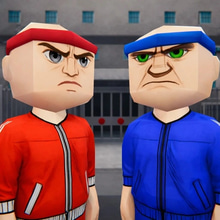
Choosing the Red gang or the Blue gang immediately gives the game a stronger identity. It is simple, but effective. You are not an anonymous shooter floating around without context. You belong to a side. That makes rivalries feel cleaner, fights feel sharper, and victories feel more personal.
What is even more interesting is the mention of a peaceful civilian path. That detail gives the whole world a stranger, more open-ended edge. Even if most players will absolutely choose violence because, well, look at the title, the existence of that non-gang role makes the city feel bigger than a basic team shooter. It suggests the world is not only about two armies slamming into each other forever. It is about roles, choices, and different ways to survive or influence the streets.
That kind of flexibility is good for replay value too. One session might be all-out territorial warfare. Another might feel more exploratory, more improvisational, more about building money and presence before committing to a major fight. That variety matters.
🚗 𝗚𝗨𝗡𝗦 𝗔𝗥𝗘 𝗢𝗕𝗩𝗜𝗢𝗨𝗦𝗟𝗬 𝗜𝗠𝗣𝗢𝗥𝗧𝗔𝗡𝗧, 𝗕𝗨𝗧 𝗖𝗔𝗥𝗦 𝗖𝗛𝗔𝗡𝗚𝗘 𝗧𝗛𝗘 𝗦𝗣𝗘𝗘𝗗 𝗢𝗙 𝗧𝗛𝗘 𝗪𝗔𝗥
Unlocking awesome cars is a big plus because vehicles can completely change how a city shooter flows. A fight over territory feels very different once teams can move faster, respond quicker, or suddenly appear where the enemy thought they had time to breathe. Cars are not just flashy extras. In a gang war, mobility is power.
They also give the game a more cinematic edge. There is something naturally satisfying about turning a street-level firefight into a wider city conflict where movement across districts actually matters. A car does not only help you get from one objective to another. It changes how urgent the whole map feels. You can reinforce, escape, rotate, or arrive with very bad intentions much sooner than expected.
And honestly, city gang warfare without vehicles would feel incomplete. Streets beg for them. The world wants that energy.
🧥 𝗖𝗨𝗦𝗧𝗢𝗠𝗜𝗭𝗔𝗧𝗜𝗢𝗡 𝗛𝗘𝗟𝗣𝗦 𝗧𝗨𝗥𝗡 𝗔 𝗖𝗥𝗘𝗪 𝗜𝗡𝗧𝗢 𝗬𝗢𝗨𝗥 𝗖𝗥𝗘𝗪
Customization always matters more in multiplayer games than people pretend. Strong weapons help you survive. Good outfits help you feel like you belong to the life you chose. Gang War: Strike Shooter clearly leans into both. New weapons give you tactical power, while character customization gives you identity. That is a good combination.
The more time a player spends in a competitive or open-world shooter, the more they want their fighter to feel like their own. A game built around loyalty, gang color, and city control benefits a lot from that. It makes the whole conflict feel less generic. You are not only playing a role. You are shaping one.
👥 𝗙𝗥𝗜𝗘𝗡𝗗𝗦 𝗠𝗔𝗞𝗘 𝗧𝗛𝗘 𝗦𝗧𝗥𝗘𝗘𝗧𝗦 𝗠𝗢𝗥𝗘 𝗗𝗔𝗡𝗚𝗘𝗥𝗢𝗨𝗦
The promise of playing with friends is one of the biggest reasons the whole setup feels strong. Territory shooters are almost always better with coordination. A captured zone means more when teammates helped earn it. A push into a bank or warehouse feels much better when it is planned, even if the “plan” is mostly shouting and bad timing. And defending a district becomes far more satisfying once your side actually moves like a gang instead of a collection of random individuals with guns and optimism.
That social side is what makes a game like this sticky. You are not just chasing better stats. You are chasing moments. A last-second defense. A coordinated attack. A comeback after losing most of the city. Those things are always stronger with real teammates.
🎮 𝗪𝗛𝗬 𝗚𝗔𝗡𝗚 𝗪𝗔𝗥: 𝗦𝗧𝗥𝗜𝗞𝗘 𝗦𝗛𝗢𝗢𝗧𝗘𝗥 𝗪𝗢𝗥𝗞𝗦 𝗦𝗢 𝗪𝗘𝗟𝗟 𝗢𝗡 𝗞𝗜𝗭𝟭𝟬
Gang War: Strike Shooter fits Kiz10 really well because it combines several things that work perfectly in browser action games: simple control access, fast entry into conflict, strong multiplayer energy, open-world movement, and visible progression through money, guns, and captured territory. It feels easy to start but full of enough systems to keep players invested.
If you enjoy online shooters, gang-based city warfare, territory control, and action games where teamwork matters as much as aim, this one has a lot going for it. It offers direct combat, strategic pressure, and a satisfying feeling that the city is actually changing based on what you and your team manage to hold.
Break out. Pick a side. Take the streets. And do not expect anyone else to show mercy, because they definitely will not.





 Share
Share
 Embed
Embed