𝗪𝗘𝗟𝗖𝗢𝗠𝗘 𝗧𝗢 𝗔 𝗕𝗢𝗦𝗦 𝗙𝗜𝗚𝗛𝗧 𝗧𝗛𝗔𝗧 𝗗𝗢𝗘𝗦𝗡’𝗧 𝗣𝗟𝗔𝗬 𝗡𝗜𝗖𝗘 😈⚡
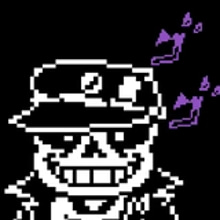
Jotaro Sans Fight on Kiz10 is one of those “wait… what is this crossover?” games that commits so hard it stops being confusing and starts being dangerously fun. You play as Dio with one clear obsession: crush the Joestars, conquer everything, and get past the one wall in your way. That wall is Jotaro, and he’s not here to politely lose. The moment the fight begins, the game shows its real identity: a dodge-heavy, pattern-based boss battle where your reflexes are the main weapon and your patience is the armor.
It doesn’t feel like a long adventure. It feels like a duel inside a pressure cooker. You’re controlling a small “soul” or cursor-like heart and weaving through attacks that come in sharp shapes, sudden bursts, and unfair-looking patterns that become readable only after you get hit by them a few times. It’s punishment with a purpose. Each failure teaches you something. Each survive-by-one-pixel moment makes you grin like you just escaped a trap meant for someone else.
𝗬𝗢𝗨’𝗥𝗘 𝗡𝗢𝗧 𝗠𝗢𝗩𝗜𝗡𝗚 𝗔 𝗖𝗛𝗔𝗥𝗔𝗖𝗧𝗘𝗥, 𝗬𝗢𝗨’𝗥𝗘 𝗠𝗢𝗩𝗜𝗡𝗚 𝗦𝗨𝗥𝗩𝗜𝗩𝗔𝗟 🖤🎯
The core of Jotaro Sans Fight is movement under pressure. Arrow keys or finger swipes, that’s it. No fancy combos. No long move list. Just you, the arena space, and attacks designed to close that space until you panic. The game is constantly trying to trick you into overreacting. A pattern appears, your instinct screams “RUN,” and then you run directly into the part that was meant to catch runners.
When you start playing better, it’s not because you got faster. It’s because you got calmer. You stop making big, dramatic movements and start making tiny adjustments. Half steps. Micro-slides. Short corrections. The kind of movement that looks boring but keeps you alive. That’s the secret sauce of bullet-hell style fights: the safest path is usually the quietest one.
And when the patterns speed up, it gets spicy. You’ll feel your hands tighten, you’ll start doing that weird controlled breathing thing, and suddenly you’re fully locked in. Not thinking in words, thinking in shapes.
𝗧𝗛𝗘 𝗔/𝗕 𝗗𝗘𝗖𝗜𝗦𝗜𝗢𝗡 𝗟𝗢𝗢𝗣: 𝗣𝗜𝗖𝗞 𝗬𝗢𝗨𝗥 𝗠𝗢𝗠𝗘𝗡𝗧 🅰️🅱️
Between dodging segments, the game shifts into decision moments where you choose actions or decline them. It’s not there to turn the game into a giant story RPG. It’s there to add tension and rhythm. You dodge, then you decide. You survive, then you commit. Those moments are dangerous in their own way because they tempt you to rush. If you mash choices without paying attention, you can push yourself into a worse situation or miss an advantage that would make the next wave easier.
The interesting part is how these choices mess with your focus. After a brutal dodge section, your brain is still buzzing, and now it’s asking you to pick something. That creates a different kind of pressure: mental timing. Not “can you move fast,” but “can you stay clear-headed long enough to choose correctly.”
It gives the fight a rhythm that feels like a conversation with a monster you can’t reason with. Jotaro attacks. You endure. You answer with a choice. Then the next pattern arrives like the game saying, “Nice decision. Now suffer.”
𝗣𝗔𝗧𝗧𝗘𝗥𝗡 𝗟𝗘𝗔𝗥𝗡𝗜𝗡𝗚: 𝗧𝗛𝗘 𝗙𝗜𝗚𝗛𝗧 𝗜𝗦 𝗔 𝗠𝗘𝗠𝗢𝗥𝗬 𝗧𝗘𝗦𝗧 🧠🌀
The reason this type of boss game becomes addictive is that it’s built on readable cruelty. At first, attacks feel random. Then you realize they’re not random at all. They’re timed. They’re shaped. They have little gaps that only exist if you trust them. The more you play, the more the “impossible” patterns start looking like puzzles.
You’ll start recognizing sequences. You’ll anticipate where the safe zone will appear. You’ll learn which attacks punish the corners and which punish the center. You’ll learn when it’s better to hug one side and when it’s better to float near the middle so you have two escape options. And once that learning clicks, the game becomes less about luck and more about execution.
That’s when you get those magic runs where you barely take damage, not because the game got easier, but because you finally stopped fighting the pattern and started flowing with it.
𝗗𝗜𝗢 𝗘𝗡𝗘𝗥𝗚𝗬: 𝗩𝗜𝗟𝗟𝗔𝗜𝗡 𝗠𝗢𝗧𝗜𝗩𝗔𝗧𝗜𝗢𝗡 𝗜𝗡 𝗔 𝗧𝗜𝗡𝗬 𝗔𝗥𝗘𝗡𝗔 🦇⛓️
Playing as Dio changes the mood. You’re not framed as a helpless hero. You’re framed as a confident threat who is suddenly forced into a survival situation. That contrast is funny in the best way. You’re supposed to be unstoppable, but right now you’re a tiny soul dodging patterns like your life depends on it… because it does.
It creates a strange motivation. You don’t want to win just to win. You want to win because losing feels disrespectful. Jotaro is standing there like a final exam. The stand pressure makes every hit feel personal. And every time you survive a difficult phase, it feels like you stole a little power back.
On Kiz10, that’s exactly the kind of “one more try” loop that works: short attempts, fast restarts, clear improvement.
𝗛𝗢𝗪 𝗧𝗢 𝗦𝗨𝗥𝗩𝗜𝗩𝗘 𝗟𝗢𝗡𝗚𝗘𝗥 𝗪𝗜𝗧𝗛𝗢𝗨𝗧 𝗚𝗢𝗜𝗡𝗚 𝗙𝗨𝗟𝗟 𝗣𝗔𝗡𝗜𝗖 😅🧊
The simplest upgrade you can give yourself is a rule: don’t move unless you have to. Many patterns are designed to punish constant motion. If you stay centered and make small corrections, you’ll notice gaps you never saw while flailing around. Also, when you get hit, don’t try to “win back” the next moment by moving faster. That’s how you take two hits in a row. Reset your rhythm. Survive the next pattern clean. Then build confidence again.
And when you’re choosing actions, slow down for half a second. Even half a second. The fight is intense, but rushing decisions is the easiest way to sabotage a good run.
Jotaro Sans Fight is weird, intense, and surprisingly skill-based once you accept what it wants from you: calm dodging, clean reads, and disciplined choices. If you like dodge-heavy boss fights with bullet-hell energy and fast retries, this one on Kiz10 will absolutely grab you and refuse to let go. 😈🖤





 Share
Share
 Embed
Embed