𝗥𝗨𝗡 🚀 𝗙𝗢𝗥𝗪𝗔𝗥𝗗 𝗢𝗥 𝗚𝗘𝗧 𝗦𝗪𝗔𝗟𝗟𝗢𝗪𝗘𝗗 𝗕𝗬 𝗧𝗛𝗘 𝗠𝗔𝗗𝗡𝗘𝗦𝗦
Obby vs Brainrot: Run does not waste time pretending to be calm. The moment it starts, you already know what kind of energy it wants: movement, pressure, noise, upgrades, and that beautiful arcade nonsense where survival depends on whether your brain can keep up with your fingers. This is an action runner game built for players who enjoy speed, quick tactical choices, and the deeply satisfying sight of a tiny squad growing into a ridiculous moving wall of firepower.
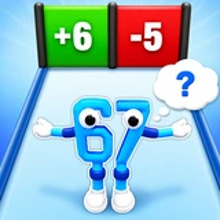
On Kiz10, the idea hits fast. You rush forward along a narrow bridge, enemies ahead, traps around you, numbered blocks in your path, and just enough time to decide whether you should aim for survival, power, or pure greed. That is the real hook. Obby vs Brainrot: Run looks simple at first glance, but the second you start sliding left and right, it becomes a constant stream of micro-decisions. Shoot this block or avoid it? Break through that barrier for more fighters or take the safer lane? Chase a multiplier now or protect the squad for the next wave? Every run feels like a conversation between panic and ambition.
𝗧𝗛𝗘 🌉 𝗕𝗥𝗜𝗗𝗚𝗘 𝗜𝗦 𝗔 𝗧𝗘𝗦𝗧, 𝗡𝗢𝗧 𝗔 𝗥𝗢𝗔𝗗
What makes the core loop so addictive is the setting of the run itself. You are not wandering through open space with all the time in the world. You are moving down a long, dangerous bridge where every section asks something different from you. Sometimes it wants accurate fire. Sometimes it wants quick dodging. Sometimes it wants you to commit to a risky lane because the reward on the other side could completely change the strength of your run.
That narrow structure gives the game real intensity. There is no room for sleepy play here. You cannot just drift and hope for the best. The path keeps throwing choices at you, and because movement never really lets up, your reactions have to stay locked in. That is where the arcade charm lives. The game is constantly making you feel like you are one smart move away from dominance and one dumb move away from disaster. It is a very fun place to live for a few minutes.
And those short sessions matter. A game like this works because it respects momentum. Runs start quickly, action ramps up fast, and success or failure never feels too far away. That makes it easy to jump back in immediately. One more try becomes five more tries because every bad run feels fixable and every good run makes you curious about how much crazier the next one could become.
𝗦𝗛𝗢𝗢𝗧 💥 𝗧𝗛𝗘 𝗥𝗜𝗚𝗛𝗧 𝗧𝗛𝗜𝗡𝗚, 𝗡𝗢𝗧 𝗝𝗨𝗦𝗧 𝗔𝗡𝗬𝗧𝗛𝗜𝗡𝗚
One of the strongest ideas in Obby vs Brainrot: Run is the way shooting interacts with the obstacle system. You are not only firing at enemies. You are also attacking numbered blocks and barriers that directly shape the run. That gives the shooting more purpose than simple destruction. Every shot is potentially a choice about resource management, survival, or squad growth.
Sometimes a block is a threat that needs to be reduced before it overwhelms your team. Other times it becomes an opportunity, something worth targeting because the reward behind it can boost your damage or open a better path. That blend of aiming and path selection gives the gameplay a slightly tactical flavor underneath all the chaos. It is still fast, still accessible, still very much an arcade shooter runner, but there is enough decision-making to keep it from feeling automatic.
The automatic firing helps too. Because the game handles the shooting rhythm for you, your focus shifts toward positioning, lane choice, and timing. That is smart design for a browser action game. It keeps the controls clean while letting the challenge come from the environment and your reactions. You are not wrestling with input complexity. You are wrestling with momentum.
𝗠𝗢𝗥𝗘 👥 𝗙𝗜𝗚𝗛𝗧𝗘𝗥𝗦, 𝗠𝗢𝗥𝗘 𝗡𝗢𝗜𝗦𝗘, 𝗠𝗢𝗥𝗘 𝗣𝗢𝗪𝗘𝗥
The squad system is where the game starts feeling deliciously over the top. You begin with limited strength, but as you break through the right barriers and make strong choices during the run, your team grows. More fighters means more attack power, more visual chaos, and more confidence when enemy waves start pushing harder. That sense of escalation is a huge part of the appeal.
There is something instantly satisfying about seeing a small group become a crowd. The bridge gets louder. Your offense feels heavier. The run starts looking less like survival and more like an invasion with very unstable energy. But the game does not let that power fantasy become lazy. Bigger squads also make your decisions more valuable, because one mistake can cost a lot of momentum. Losing strength hurts more when you have worked to build it.
That push and pull keeps the progression exciting. Growth feels earned, but never permanent. The game wants you to enjoy the power while still respecting the hazards ahead. It is a nice balance, and it gives each level that small dramatic arc where weakness can turn into dominance if you survive long enough and choose well enough.
𝗨𝗣𝗚𝗥𝗔𝗗𝗘𝗦 ⚡ 𝗠𝗔𝗞𝗘 𝗠𝗜𝗗-𝗥𝗨𝗡 𝗗𝗘𝗖𝗜𝗦𝗜𝗢𝗡𝗦 𝗙𝗘𝗘𝗟 𝗛𝗨𝗚𝗘
Another reason Obby vs Brainrot: Run stays engaging is how it handles upgrades in the middle of the action. You are not waiting until the end of the level to feel stronger. The game lets you improve firepower while the run is still happening, which changes the emotional tempo of every stage. One good choice can make the next enemy wave feel manageable. One missed opportunity can leave you feeling underpowered and slightly offended by the universe.
That immediate progression is perfect for this genre. It gives each run a sense of development instead of making it feel flat from start to finish. Early sections are about setup. Mid-run choices shape your style. Later waves test whether your build can actually handle the pressure. That structure makes even short levels feel like they have a story arc. Weak start, clever growth, heroic finish. Or weak start, terrible decision, instant collapse. Both are memorable, to be honest.
Coins and unlockable heroes add another layer of replay value. You are not only playing for the current run. You are also building toward future attempts with stronger or more unusual characters. That longer progression loop matters because it keeps the game sticky. Even when you fail, you usually feel like you earned something useful, and that makes retrying feel exciting rather than punishing.
𝗧𝗛𝗘 🎯 𝗕𝗘𝗦𝗧 𝗥𝗨𝗡𝗦 𝗔𝗥𝗘 𝗛𝗔𝗟𝗙 𝗥𝗘𝗙𝗟𝗘𝗫, 𝗛𝗔𝗟𝗙 𝗕𝗥𝗔𝗜𝗡
For all its speed, this is not a game about mindless swerving. The best runs come from mixing reaction speed with tactical judgment. You need to read the lanes quickly, understand which targets matter most, and recognize when a short-term loss might lead to a stronger payoff later. That gives the game more personality than a simple endless runner clone.
It also makes the action feel more personal. Different players will choose different paths, different risks, different upgrade priorities. Some will play aggressively, chasing multipliers and squad expansion like absolute maniacs. Others will lean toward safer routes and controlled growth. The game supports both moods, which is great for replayability. It means success is not locked into one rigid style. There is room for instinct and experimentation.
And yes, the brainrot flavor in the title hints at the game’s willingness to be absurd. That helps. A game like this does not need to be serious to be effective. In fact, the slightly unhinged tone works in its favor. It gives the bridge, the enemies, and the whole escalating mess a kind of chaotic personality that fits the action perfectly.
𝗪𝗛𝗬 🕹️ 𝗜𝗧 𝗪𝗢𝗥𝗞𝗦 𝗢𝗡 𝗞𝗜𝗭10
Obby vs Brainrot: Run fits Kiz10 extremely well because it delivers exactly what strong browser arcade games should: fast entry, clean controls, escalating pressure, and enough progression to keep players coming back. The left-right control scheme keeps the barrier to entry low, while the shooting, squad growth, obstacle choices, and upgrades give the run enough substance to stay interesting.
If you enjoy action runner games, obby-style chaos, automatic shooter mechanics, crowd growth, and quick sessions that still demand smart decisions, this one has the right kind of bite. It is energetic, accessible, and just tactical enough to make every level feel like more than a reflex test.
In the end, Obby vs Brainrot: Run is about forward motion under pressure. Keep moving, keep shooting, keep building strength, and do not let the bridge turn into your graveyard. On Kiz10, that makes it a loud, addictive arcade sprint where every lane hides a better future or a very embarrassing collapse. Usually both. ✨





 Share
Share
 Embed
Embed