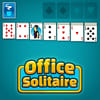
𝗔 𝗤𝗨𝗜𝗘𝗧 𝗗𝗘𝗦𝗞, 𝗔 𝗦𝗛𝗨𝗙𝗙𝗟𝗘𝗗 𝗗𝗘𝗖𝗞, 𝗔𝗡𝗗 𝗢𝗡𝗘 𝗩𝗘𝗥𝗬 𝗣𝗔𝗧𝗜𝗘𝗡𝗧 𝗣𝗟𝗔𝗡 🃏
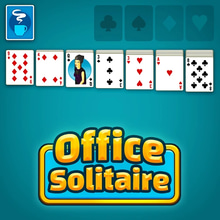
Office Solitaire is the kind of card game that looks calm from the outside, almost too calm. Seven stacks sit on the table, the deck waits in the corner, and the top row is empty, quietly asking for Aces. Nothing flashes. Nothing explodes. No enemy is chasing you across the screen. Then you move one card without thinking, trap the card you needed, and suddenly this peaceful little office break has become a serious strategic situation with red Queens, black Jacks, and a King who refuses to appear when you need him.
This is a classic solitaire game on Kiz10 built around order, patience, and smart card movement. The goal is simple: collect all cards in the top foundation row by suit, starting with Ace, then Two, then Three, all the way up to King. Simple goal. Many tiny decisions. That is where the charm lives.
Office Solitaire works because every card feels useful, but not always right now. A card can be helpful in one position and completely annoying in another. Moving it too early may close a path. Leaving it too long may block progress. The game has no hurry, but it still keeps your mind busy, quietly asking, “Are you sure about that move?” Usually, that question arrives one second after you clicked.
𝗧𝗛𝗘 𝗦𝗘𝗩𝗘𝗡 𝗦𝗧𝗔𝗖𝗞𝗦 𝗔𝗥𝗘 𝗡𝗢𝗧 𝗝𝗨𝗦𝗧 𝗖𝗔𝗥𝗗𝗦, 𝗧𝗛𝗘𝗬 𝗔𝗥𝗘 𝗔 𝗣𝗨𝗭𝗭𝗟𝗘 ♠️
The table begins with seven stacks, each holding from one to seven cards. Some are visible. Some are hidden underneath, sitting there like tiny office secrets waiting for the correct paperwork. Your job is to move cards between stacks until you can send them to the top foundation row. To do that, you must follow the classic rule: cards in the playing area are stacked in descending order while alternating colors.
That means a black Eight can hold a red Seven. A red Queen can hold a black Jack. The table becomes a little staircase of colors and values, and when that staircase is built correctly, the whole game starts to open. Hidden cards are revealed. Empty spaces appear. Aces move to the top. Suddenly, a board that looked blocked begins to breathe.
But the reverse can also happen. A careless move can bury an important card under a stack that has nowhere to go. A rushed draw from the deck can distract you from a better move already on the table. Office Solitaire rewards players who scan the full layout before touching anything. It is not about making the first move you see. It is about making the move that creates the next three moves. Very satisfying when it works. Mildly humiliating when it does not.
𝗔𝗖𝗘𝗦 𝗔𝗥𝗘 𝗦𝗠𝗔𝗟𝗟, 𝗕𝗨𝗧 𝗧𝗛𝗘𝗬 𝗥𝗨𝗡 𝗧𝗛𝗘 𝗪𝗛𝗢𝗟𝗘 𝗦𝗛𝗢𝗪 🔑
An Ace in Office Solitaire is more than a low card. It is the first key to the foundation row. Once an Ace appears, you can begin building that suit upward, clearing cards from the table and making room for better movement. Finding one feels like opening a tiny door in a room full of locked drawers.
The foundation row grows suit by suit. Ace first, then Two of the same suit, then Three, continuing upward until the King finishes the sequence. This gives the game a steady sense of progress. Each card sent to the top row is one small step toward victory. No fireworks needed. Just clean organization and the quiet pleasure of a mess becoming less messy.
Still, there is a trick here. Sending cards to the foundation too quickly is not always the smartest move. Sometimes a card is needed on the table to help move another stack. For example, a red Five might be ready to go upward, but keeping it available for a black Four could help reveal a hidden card. Solitaire loves these little dilemmas. It makes you feel clever one minute and suspicious of your own brain the next.
𝗧𝗛𝗘 𝗗𝗘𝗖𝗞 𝗜𝗦 𝗛𝗘𝗟𝗣𝗙𝗨𝗟, 𝗕𝗨𝗧 𝗜𝗧 𝗗𝗢𝗘𝗦 𝗡𝗢𝗧 𝗦𝗢𝗟𝗩𝗘 𝗘𝗩𝗘𝗥𝗬𝗧𝗛𝗜𝗡𝗚 🂠
When the table does not offer a clear move, the deck becomes your next option. Click it to deal new cards and search for the missing piece. Maybe the card you need appears immediately, like the game is being generous. Maybe it gives you something useless and walks away whistling. That is solitaire. The deck is a tool, not a miracle.
A strong player checks the table before drawing. Are there hidden cards that can be revealed? Can a column be rearranged? Is there a move that opens an empty space? Drawing too soon can make you miss good opportunities already available. But waiting too long can leave the game frozen. The best rhythm is calm: inspect the stacks, move with purpose, build foundations when useful, then draw when the board needs fresh options.
The deck also adds personality to every game. Even with the same rules, no table feels exactly the same. Sometimes the cards flow smoothly, almost politely. Other times, every useful card seems to be hiding under the wrong stack, and the deck acts like it has never heard of cooperation. That variation keeps Office Solitaire replayable.
𝗘𝗠𝗣𝗧𝗬 𝗦𝗣𝗔𝗖𝗘𝗦 𝗔𝗥𝗘 𝗣𝗢𝗪𝗘𝗥, 𝗕𝗨𝗧 𝗞𝗜𝗡𝗚𝗦 𝗛𝗢𝗟𝗗 𝗧𝗛𝗘 𝗞𝗘𝗬 👑
Clearing a column is one of the best feelings in Office Solitaire. An empty area gives you space to move longer sequences and reorganize the board. But it comes with one important rule: only a stack starting with a King can be placed in an empty area. That makes Kings extremely valuable. They are not just high cards; they are the only cards that can properly begin a new stack in open space.
Because of that, empty columns should be treated carefully. Clearing a space without a King ready can leave it unused. On the other hand, opening a space when you have a King available can completely change the game. You can move the King, stack descending cards under it, reveal hidden cards, and create new paths toward the foundations.
This is one of the most important strategic layers. Do not clear columns randomly. Think about what will occupy that space next. If a King is buried, try to uncover it. If a King is already visible, look for a way to create a clean opening. One well-timed King placement can turn a blocked table into a smooth run toward victory.
𝗣𝗔𝗧𝗜𝗘𝗡𝗖𝗘 𝗜𝗦 𝗧𝗛𝗘 𝗥𝗘𝗔𝗟 𝗦𝗨𝗣𝗘𝗥𝗣𝗢𝗪𝗘𝗥 ☕
Office Solitaire is relaxing, but it is not passive. You are always choosing. Move this card now or save it? Draw from the deck or keep searching the table? Build the foundation or leave the card in play? These questions are small, but they stack up. A good game of solitaire is won through dozens of quiet decisions that look obvious only after they work.
If you want to play better, reveal hidden cards whenever possible. Hidden cards are unknown tools, and turning them face up gives you more control. Avoid moving cards just because the move is allowed. A legal move is not always a useful move. Try to keep your columns flexible, protect your empty spaces, and build foundations steadily without weakening your table.
There is a special satisfaction in solving a board that looked stuck. You find one move, then another, then an Ace appears, then a hidden card reveals exactly what you needed. Suddenly the whole table starts moving. It feels less like luck and more like untangling a drawer full of cables without losing your patience. Strange metaphor, yes. Accurate? Also yes.
𝗪𝗛𝗬 𝗢𝗙𝗙𝗜𝗖𝗘 𝗦𝗢𝗟𝗜𝗧𝗔𝗜𝗥𝗘 𝗙𝗘𝗘𝗟𝗦 𝗥𝗜𝗚𝗛𝗧 𝗢𝗡 𝗞𝗜𝗭𝟭𝟬 🕹️
Office Solitaire is perfect for players who enjoy classic card games, solitaire puzzles, Klondike-style gameplay, relaxing strategy games, single-player challenges, and smart browser games that do not need noise to stay interesting. It is easy to learn because the rules are familiar, but each shuffled table brings a new puzzle. One game may be smooth and generous. The next may be stubborn, blocked, and slightly rude.
On Kiz10, Office Solitaire works well as a quick mental break or a longer card challenge. You can play slowly, think through each move, and enjoy the steady rhythm of sorting the deck. It is not about racing. It is about seeing the board clearly and making the right move at the right time.
So click the deck, study the seven stacks, look for Aces, save space for Kings, and build each suit to the top row. The office may be quiet, but the cards are busy, and every clean move brings the table one step closer to order.














 2.5 (153 votes)
 Share
Share
 Embed
Embed