🧺 𝗔 𝗣𝗜𝗖𝗡𝗜𝗖 𝗧𝗛𝗔𝗧 𝗦𝗛𝗢𝗨𝗟𝗗 𝗛𝗔𝗩𝗘 𝗕𝗘𝗘𝗡 𝗤𝗨𝗜𝗘𝗧, 𝗕𝗨𝗧 𝗢𝗕𝗩𝗜𝗢𝗨𝗦𝗟𝗬 𝗪𝗔𝗦𝗡’𝗧
Picnic with Granny begins with the kind of setup that sounds almost peaceful enough to trust. Granny and Grandad leave the city behind, head out to the country house, and all signs point to a slow, pleasant day with fresh air, open space, and probably too much food. Then the game remembers it does not want to be normal. The picnic is shattered by chaos, strange creatures, and a conflict so bizarre it somehow becomes even more interesting because of how wrong it feels. Suddenly the countryside is no longer a place to relax. It is a place to investigate, choose sides, and decide what kind of ending this weird little world deserves.
That twist is exactly what gives the game its personality. Picnic with Granny is not trying to be a simple horror game, or a pure comedy game, or just another open-world errand adventure. It blends all of those moods into something stranger. You wander through a rural environment that feels playful on the surface, but beneath that there is tension, conflict, and a growing sense that what looked like a ruined family outing might actually be something much bigger. And probably much weirder.
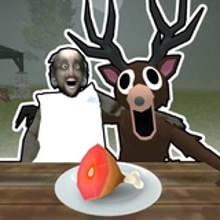
The result is a story-driven adventure game that feels light enough to stay fun and odd enough to stay memorable. You are not only exploring because the map is there. You are exploring because the situation around Granny, Grandad, the Cannibal Deer, and Goo-Goo Gaga keeps pushing you deeper into a mystery that gets more absurd every time you think you understand it.
🌾 𝗧𝗛𝗘 𝗖𝗢𝗨𝗡𝗧𝗥𝗬𝗦𝗜𝗗𝗘 𝗜𝗦 𝗡𝗢𝗧 𝗔𝗦 𝗤𝗨𝗜𝗘𝗧 𝗔𝗦 𝗜𝗧 𝗟𝗢𝗢𝗞𝗦
A big part of what makes Picnic with Granny work is the setting itself. Rural maps in games can sometimes feel empty if they do not give you enough reasons to care. Here, the countryside seems built to support both exploration and storytelling. You are not just walking around a lake because there is nothing else to do. You are moving through a place where every path, object, and character might reveal another piece of the conflict.
That gives the environment a nice sense of purpose. The area around the country house becomes more than scenery. It turns into a little stage for the game’s strange drama. A quiet path might hide a clue. A resident might need help. A weird encounter might shift your understanding of who is right, who is dangerous, and who is simply impossible to explain. The more the game lets you wander, the more the setting starts to feel alive.
And because the premise is already so unhinged, even ordinary parts of the countryside begin to feel suspicious in a fun way. A calm stretch of road is not just a calm stretch of road anymore. A house, a field, a car ride near the lake, they all feel like places where the game might suddenly decide to get either silly or unsettling. Sometimes both.
🧠 𝗧𝗛𝗜𝗦 𝗜𝗦 𝗔𝗡 𝗔𝗗𝗩𝗘𝗡𝗧𝗨𝗥𝗘 𝗚𝗔𝗠𝗘 𝗔𝗕𝗢𝗨𝗧 𝗣𝗘𝗢𝗣𝗟𝗘, 𝗡𝗢𝗧 𝗝𝗨𝗦𝗧 𝗣𝗟𝗢𝗧
One of the strongest ideas in Picnic with Granny is that you are not simply chasing objectives in a vacuum. You are helping characters, solving their problems, and uncovering the details of a conflict that keeps expanding as you move through the world. That makes the game feel more grounded, even when the actual story is clearly happy to become ridiculous.
Simple quests matter here because they create intimacy. They pull you into the everyday needs of the world before revealing how strange that world has become. A small favor can lead to a bigger mystery. A conversation can change how you see the conflict. An apparently harmless character might end up connected to something much darker or much funnier than expected. That structure gives the adventure more shape than a simple open map with random tasks.
It also makes your role more interesting. You are not only a spectator watching Granny’s picnic go wrong. You are participating in the fallout. The game clearly wants your choices and your attention to matter, which gives the whole thing a stronger story pulse.
🚗 𝗗𝗥𝗜𝗩𝗜𝗡𝗚 𝗔𝗥𝗢𝗨𝗡𝗗 𝗧𝗛𝗘 𝗟𝗔𝗞𝗘 𝗚𝗜𝗩𝗘𝗦 𝗧𝗛𝗘 𝗪𝗢𝗥𝗟𝗗 𝗦𝗢𝗠𝗘 𝗥𝗘𝗔𝗟 𝗠𝗢𝗠𝗘𝗡𝗧𝗨𝗠
The ability to drive a car around the lake is one of those features that might sound small at first, but it actually helps a lot. It means the map is not only a series of disconnected quest points. It feels like a place you can move through with more freedom and style. Driving adds a little momentum to the game, and momentum matters in an adventure like this.
It also changes the tone in a nice way. One minute you are on foot, exploring, talking to people, and handling odd local problems. The next you are behind the wheel, moving through the countryside and getting a broader sense of the world. That shift helps the game breathe. It keeps the pace from feeling too static and makes the area around the lake feel like a real piece of the adventure rather than just decorative space.
And honestly, driving around a lake in a game where the picnic has already been hijacked by chaos just feels right. It adds to the strange road-trip energy that the whole setup seems to enjoy.
🦌 𝗧𝗛𝗘 𝗖𝗔𝗡𝗡𝗜𝗕𝗔𝗟 𝗗𝗘𝗘𝗥 𝗔𝗡𝗗 𝗚𝗢𝗢-𝗚𝗢𝗢 𝗚𝗔𝗚𝗔 𝗠𝗔𝗞𝗘 𝗧𝗛𝗘 𝗦𝗧𝗢𝗥𝗬 𝗜𝗠𝗣𝗢𝗦𝗦𝗜𝗕𝗟𝗘 𝗧𝗢 𝗜𝗚𝗡𝗢𝗥𝗘
Let’s be honest. The moment a game introduces characters like the Cannibal Deer and Goo-Goo Gaga, it has made a decision. It is not interested in being forgettable. These are not normal threats, and that is a huge part of the appeal. The story instantly gains a surreal edge because the conflict is no longer just “good people versus bad people.” It becomes a clash of bizarre personalities and dangerous forces in a world that clearly stopped respecting normal logic a while ago.
That is good for the game. Strange antagonists give the story energy. They create curiosity. They make you want to know why this is happening, what they want, and how deep the weirdness actually goes. And because Picnic with Granny still frames your role around helping others and making decisions, these larger-than-life figures never feel disconnected from the rest of the adventure. They are the engine behind it.
There is also something very effective about mixing horror-coded creatures with a colorful countryside setting and a picnic disaster. That clash of tones helps the game stand out. It is eerie, funny, chaotic, and just grounded enough through its quests and world interactions to keep you engaged instead of simply confused.
⚖️ 𝗖𝗛𝗢𝗢𝗦𝗜𝗡𝗚 𝗔 𝗦𝗜𝗗𝗘 𝗚𝗜𝗩𝗘𝗦 𝗧𝗛𝗘 𝗚𝗔𝗠𝗘 𝗜𝗧𝗦 𝗥𝗘𝗔𝗟 𝗪𝗘𝗜𝗚𝗛𝗧
One of the best things about Picnic with Granny is that it does not only ask you to watch events unfold. It asks you to decide where you stand. That alone gives the whole story more power. Choice in an adventure game is always valuable when it feels tied to people and conflict instead of just cosmetic dialogue, and here it sounds like your decisions shape the outcome of both the picnic and the broader world around it.
That changes how you approach quests. You are no longer solving problems as a neutral helper. You are gathering information, forming judgments, and deciding which side deserves your trust. In a story this strange, that can be especially fun because certainty probably does not come easily. Characters may be ridiculous, threatening, sympathetic, or all three at once. That ambiguity is exactly what good choice-driven adventures need.
And because the premise begins with something as harmless as a family picnic, the shift toward world-shaping consequences gives the game a nice dramatic climb. What starts small becomes unexpectedly important.
🎮 𝗪𝗛𝗬 𝗣𝗜𝗖𝗡𝗜𝗖 𝗪𝗜𝗧𝗛 𝗚𝗥𝗔𝗡𝗡𝗬 𝗪𝗢𝗥𝗞𝗦 𝗦𝗢 𝗪𝗘𝗟𝗟 𝗢𝗡 𝗞𝗜𝗭𝟭𝟬
Picnic with Granny feels like a great fit for Kiz10 because it brings together several things that work especially well in browser adventure games: a memorable premise, easy-to-understand exploration, quest-based progression, strange characters, and enough choice to make the story feel personal. It is playful, but not shallow. Weird, but not empty. That balance matters.
If you enjoy story-driven adventures, open exploration, quirky horror-comedy setups, and games that let you shape how a conflict ends, this one has a lot going for it. It does not rely on one single mechanic to carry the whole experience. Instead, it builds its charm through world design, characters, movement, and the constant feeling that the next encounter might become much stranger than the last one.
Help Granny. Drive the lake roads. Listen carefully. Choose your side. And try not to forget that this all started with a picnic that should have stayed normal for at least five minutes.





 2 (165 votes)
 Share
Share
 Embed
Embed