🌱 𝗧𝗛𝗘 𝗚𝗔𝗥𝗗𝗘𝗡 𝗜𝗦 𝗡𝗢 𝗟𝗢𝗡𝗚𝗘𝗥 𝗤𝗨𝗜𝗘𝗧, 𝗔𝗡𝗗 𝗧𝗛𝗔𝗧 𝗜𝗦 𝗬𝗢𝗨𝗥 𝗣𝗥𝗢𝗕𝗟𝗘𝗠
Plants vs Zombie 3D: Shooter takes a familiar garden defense fantasy and flips it into a direct action survival fight. This is not about calmly placing defenses and watching the lane play itself out. Here, you are the one aiming, firing, upgrading, and trying to stop the undead before they turn your yard into a disaster. That shift makes the whole experience feel much more immediate. The zombies are not just a slow-moving puzzle anymore. They are a problem that keeps getting closer.
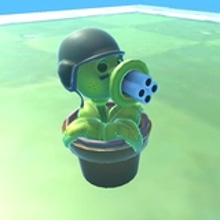
That is the first thing the game gets right. It takes a recognizable plant-versus-zombie setup and injects it with pressure. You start with a Peashooter, a simple weapon that feels manageable against the first clumsy enemies. Early waves give you room to breathe, to learn the pace, to feel a little confident. Then the game does exactly what a good wave shooter should do. It tightens the pressure. More zombies arrive. Stronger ones appear. Faster threats begin to rush your aim. Suddenly your peaceful defense has turned into a real test of reaction speed and upgrade planning.
And that is what makes the game work so well. It is easy to understand from the first second. Defend the house. Shoot the zombies. Improve the weapon. Survive the next wave. But simplicity does not mean softness. Every new round asks a little more from you, and every upgrade starts feeling more important than the last one.
🔫 𝗧𝗛𝗘 𝗣𝗘𝗔𝗦𝗛𝗢𝗢𝗧𝗘𝗥 𝗜𝗦 𝗦𝗜𝗠𝗣𝗟𝗘, 𝗕𝗨𝗧 𝗜𝗧 𝗗𝗢𝗘𝗦 𝗡𝗢𝗧 𝗦𝗧𝗔𝗬 𝗪𝗘𝗔𝗞
One of the smartest things in Plants vs Zombie 3D: Shooter is that your main weapon evolves with the pressure. At the beginning, the Peashooter feels basic, almost modest. It does its job, but only just. That is exactly what it should feel like. A survival game becomes more satisfying when the player can feel the difference between early fragility and later power. Here, that progression sounds strong.
You earn resources by taking down zombies, and those resources turn into upgrades. Faster firing speed means you can answer pressure before it stacks too high. Stronger damage helps against armored enemies who would otherwise turn each encounter into a grind. Freezing shots let you control the crowd instead of simply reacting to it. Explosive peas change the tone completely once the garden starts filling with bodies and panic. That upgrade path gives the weapon real personality. It stops being a simple gun and becomes your whole survival plan.
And because each improvement changes how the fights feel, the game avoids becoming repetitive too quickly. A faster weapon creates one kind of rhythm. A heavier-hitting one creates another. Crowd control makes the whole battlefield feel more manageable. Explosive damage turns desperate moments into opportunities. That kind of variety is exactly what a wave-based shooter needs.
🧟 𝗧𝗛𝗘 𝗭𝗢𝗠𝗕𝗜𝗘𝗦 𝗚𝗘𝗧 𝗠𝗘𝗔𝗡𝗘𝗥, 𝗦𝗢 𝗬𝗢𝗨 𝗛𝗔𝗩𝗘 𝗧𝗢 𝗚𝗘𝗧 𝗦𝗠𝗔𝗥𝗧𝗘𝗥
The enemy escalation sounds like one of the game’s strongest points. Weak zombies at the start are not there just to be easy targets. They are there to teach rhythm. Then the game starts introducing tougher enemies with armor, faster movement, and more pressure. That is exactly the right way to build a survival shooter. The player should feel the danger changing shape over time.
Armored enemies force you to think about damage output. Speedier zombies force you to value reaction time and aim control. Larger groups make crowd management matter much more than simple single-target accuracy. Once those types begin overlapping, the game becomes far more interesting. Now you are not only shooting. You are prioritizing. Which target has to die first? Which lane of pressure is becoming dangerous? Is it worth spending resources on raw damage, or should you invest in slowing the wave down before it reaches you?
That is what turns the game from a simple zombie shooter into a strategy shooter. Your survival depends on how well you read the incoming threat and whether your build is ready for what the next wave is trying to become.
❄️ 𝗨𝗣𝗚𝗥𝗔𝗗𝗘 𝗖𝗛𝗢𝗜𝗖𝗘𝗦 𝗖𝗥𝗘𝗔𝗧𝗘 𝗧𝗛𝗘 𝗥𝗘𝗔𝗟 𝗦𝗧𝗥𝗔𝗧𝗘𝗚𝗬
A lot of wave shooters say they include upgrades, but what matters is whether those upgrades actually change the way you think. Plants vs Zombie 3D: Shooter seems to do that well. Fire rate, damage, freezing effects, and explosive peas are not just numbers moving upward. They shape your approach to the next fight.
A player who leans into damage might try to erase priority threats quickly. A player who values freezing may prefer controlling space and buying time. Someone who goes for explosive shots may build around emergencies and crowd clearing. These differences matter because they make each run feel more personal. You are not only surviving by reflex. You are building a style.
That also helps replay value. When upgrades are meaningful, players naturally want to test different paths. What happens if you build for speed first? What if you rush crowd control? What if you focus on armor-breaking? These small variations are often what keep a browser survival game alive much longer than expected.
💥 𝗧𝗛𝗘 𝗚𝗔𝗠𝗘 𝗙𝗘𝗘𝗟𝗦 𝗕𝗘𝗦𝗧 𝗪𝗛𝗘𝗡 𝗧𝗛𝗜𝗡𝗚𝗦 𝗔𝗥𝗘 𝗔𝗕𝗢𝗨𝗧 𝗧𝗢 𝗚𝗢 𝗪𝗥𝗢𝗡𝗚
The most satisfying wave shooters always hit a certain point where control feels temporary. You are still alive, still firing, still technically handling the situation, but only barely. That tension is where the fun lives. Plants vs Zombie 3D: Shooter sounds like it understands that very well. The horde grows. The enemies get tougher. The upgrades become more critical. And suddenly every decision carries more weight.
Those are the best moments. The zombies push close, you trigger the right weapon enhancement, and the whole fight swings back in your favor. Or it does not, and the run ends because your earlier choices were not quite enough. Either way, the result feels connected to what you did. That is important. Success should feel earned. Failure should feel informative. If the game gets that balance right, it becomes extremely replayable.
🌿 𝗪𝗛𝗬 𝗣𝗟𝗔𝗡𝗧𝗦 𝘃𝘀 𝗭𝗢𝗠𝗕𝗜𝗘 𝟯𝗗: 𝗦𝗛𝗢𝗢𝗧𝗘𝗥 𝗙𝗜𝗧𝗦 𝗞𝗜𝗭𝟭𝟬 𝗦𝗢 𝗪𝗘𝗟𝗟
This game fits Kiz10 naturally because it blends two styles that work very well in browser play. On one side, it has the instant clarity of plant-versus-zombie defense. On the other, it has the direct energy of a fast wave shooter. That combination makes it easy to start and hard to casually leave. You always know what the next goal is. Survive the next wave. Earn enough to improve. See how much longer the build can hold.
If you enjoy zombie survival games, simple but meaningful upgrade systems, and action games where a familiar theme gets turned into something more immediate and hands-on, this one has a lot going for it. It feels lively, readable, and intense in exactly the right way.
Aim well. Spend smart. Freeze the crowd when you must. And never let the first easy wave convince you that the garden is safe. It absolutely is not.




















 Share
Share
 Embed
Embed