𝗧𝗛𝗘 𝗙𝗔𝗟𝗟 𝗡𝗘𝗩𝗘𝗥 𝗦𝗧𝗢𝗣𝗦, 𝗔𝗡𝗗 𝗧𝗛𝗔𝗧 𝗜𝗦 𝗘𝗫𝗔𝗖𝗧𝗟𝗬 𝗧𝗛𝗘 𝗣𝗥𝗢𝗕𝗟𝗘 🌆💀
Ragdoll Escape: Endless Fall takes one terrifyingly simple idea and stretches it into a full arcade survival challenge. You are falling. Fast. The city around you glows in neon, the obstacles get nastier with every second, and the only real objective is to stay alive long enough to keep the score climbing. That sounds manageable for about three seconds. Then the spikes appear, the saws start moving, your ragdoll body clips something at a horrible angle, and suddenly the whole descent becomes a physics-powered disaster you are desperately trying to control.
That is exactly why it works so well on Kiz10.
This is not a game about elegant movement or perfect control. It is a game about surviving chaos. The ragdoll physics make every impact feel messy, unpredictable, and just unstable enough to keep the whole fall exciting. You are never fully comfortable. Even when you think you have found a rhythm, one awkward collision can send your body bouncing in a direction your brain definitely did not approve.
And that constant instability is the heart of the fun.
𝗡𝗘𝗢𝗡 𝗛𝗘𝗟𝗟 𝗜𝗦 𝗩𝗘𝗥𝗧𝗜𝗖𝗔𝗟 ✨🪚
The setting does a lot of work here. A dangerous vertical city already feels like a bad idea, but a neon-lit one somehow makes the danger feel sharper. Everything glows, everything flashes, and everything looks like it was designed by someone who wanted the fall to feel stylish right before it ruined your life. That visual energy gives the game a strong identity. It is not just “falling through obstacles.” It is falling through a futuristic death tunnel with enough color and movement to keep your eyes working overtime.
That matters because endless games live on atmosphere as much as mechanics. If the descent felt plain, the challenge would go stale much faster. But here, the glowing platforms, metallic hazards, and relentless downward motion make every run feel dramatic. Even failure looks a little spectacular, which is honestly very considerate of the game.
The neon style also helps the speed feel more intense. As the pace increases, the environment starts blending into a kind of beautiful panic. You are still reading the threats, of course, but the whole screen begins to feel alive in that wonderful arcade way where style and stress become the same thing.
𝗥𝗔𝗚𝗗𝗢𝗟𝗟 𝗣𝗛𝗬𝗦𝗜𝗖𝗦 𝗠𝗔𝗞𝗘 𝗘𝗩𝗘𝗥𝗬 𝗠𝗜𝗦𝗧𝗔𝗞𝗘 𝗙𝗨𝗡𝗡𝗜𝗘𝗥 𝗔𝗡𝗗 𝗪𝗢𝗥𝗦𝗘 🤸⚠️
What really separates Ragdoll Escape: Endless Fall from a plain reflex dodging game is the way the character reacts to impact. A normal falling game might punish you with a simple hit and a clear reset. Here, every collision becomes an event. Your body flops, bounces, twists, and ricochets in ways that can either accidentally save you or ruin the entire run in the most ridiculous manner possible.
That is the magic of ragdoll design when it is used well. It introduces uncertainty without destroying the core challenge. You still need quick reflexes and good movement, but you also have to respect the fact that one weird bounce can completely change your trajectory. This means survival is not just about avoiding obstacles. It is also about recovering from imperfect moments before they spiral into catastrophe.
And they do spiral. Very easily.
That extra layer of unpredictability makes every run more memorable. You are not simply playing against the level. You are negotiating with physics. Sometimes physics cooperate. Sometimes they decide that your torso should pinball between two hazards while you quietly question your life choices. Either way, it is entertaining.
𝗦𝗣𝗜𝗞𝗘𝗦 𝗔𝗡𝗗 𝗦𝗔𝗪𝗦 𝗧𝗨𝗥𝗡 𝗥𝗘𝗙𝗟𝗘𝗫 𝗜𝗡𝗧𝗢 𝗣𝗨𝗥𝗘 𝗣𝗔𝗡𝗜𝗖 🟥🧠
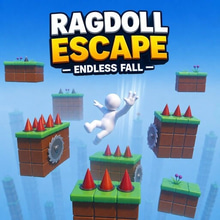
The obstacle design is simple in the best way. Red spikes mean pain. Moving saws mean even more pain, but louder. Platforms and gaps create narrow paths that demand clean reactions while the speed keeps rising. The brilliance of this setup is that the rules are always readable, but the situation is never comfortable. You know what will kill you. The challenge is finding enough control in the middle of the fall to avoid it.
That clarity matters a lot in a fast arcade game. The player should never die because the threat was confusing. They should die because the speed got brutal, the ragdoll physics got weird, or their timing cracked under pressure. Ragdoll Escape: Endless Fall seems to understand that perfectly. The hazards are obvious. The survival is not.
The moving saws are especially good at creating stress because they force you to think about rhythm as well as position. A static danger can be dodged with clean movement. A moving one asks you to read timing too. That makes the descent feel less like random chaos and more like a sequence of tiny high-speed decisions stacked on top of each other until one of them finally breaks.
𝗧𝗛𝗘 𝗙𝗔𝗦𝗧𝗘𝗥 𝗬𝗢𝗨 𝗙𝗔𝗟𝗟, 𝗧𝗛𝗘 𝗕𝗘𝗧𝗧𝗘𝗥 𝗧𝗛𝗘 𝗚𝗔𝗠𝗘 𝗚𝗘𝗧𝗦 ⏬🔥
A huge part of the appeal comes from escalation. The game does not stay at one speed and hope the ragdoll gimmick is enough. It keeps accelerating. The farther you go, the less time you have to think, the tighter the spaces feel, and the more every movement turns into instinct. That rising intensity is what transforms the game from a casual drop simulator into a real high-score obsession.
Endless skill games need that pressure curve. Without it, a run becomes flat. With it, every second survived feels more valuable than the one before. You are not just falling for longer. You are surviving a version of the game that is actively becoming more hostile. That makes progress feel earned. It also makes your eventual failure feel strangely fair. Usually. Mostly. Some deaths will still feel deeply disrespectful, but that is part of the genre’s charm.
And because the game is endless, every run carries that tempting little question: can this be the one where you go farther? Not perfect. Not safe. Just farther. That is enough to pull you right back in.
𝗔 𝗦𝗞𝗜𝗟𝗟 𝗚𝗔𝗠𝗘 𝗧𝗛𝗔𝗧 𝗟𝗢𝗢𝗩𝗘𝗦 𝗛𝗜𝗚𝗛 𝗦𝗖𝗢𝗥𝗘 𝗠𝗘𝗡𝗧𝗔𝗟𝗜𝗧𝗬 🏆⚡
Ragdoll Escape: Endless Fall is built for replayability because the goal is so clean. Stay alive. Beat your score. Do it again. That kind of structure works beautifully in browser games because it keeps everything immediate. You do not need a giant progression tree or ten layers of currency to stay engaged. The score itself becomes the motivation. The memory of your last run becomes the rival.
This is the kind of game where improvement feels personal. You remember the obstacle cluster that ended a great fall. You remember the horrible bounce that threw you into a saw. You remember getting just a little farther than before and immediately deciding that “a little farther” was no longer enough. That emotional loop is pure arcade gold.
And since the rounds restart quickly, there is almost no friction between failure and another attempt. You crash, you laugh or groan or both, and then you drop again. That restart speed is a huge part of why these games become sticky. There is no downtime for your brain to recover and make sensible decisions.
𝗪𝗛𝗬 𝗥𝗔𝗚𝗗𝗢𝗟𝗟 𝗘𝗦𝗖𝗔𝗣𝗘: 𝗘𝗡𝗗𝗟𝗘𝗦𝗦 𝗙𝗔𝗟𝗟 𝗙𝗜𝗧𝗦 𝗞𝗜𝗭𝟭𝟬 𝗦𝗢 𝗪𝗘𝗟𝗟 🎮🌃
This is a great pick for players who enjoy ragdoll games, endless fall games, reflex-based arcade challenges, neon skill games, and browser titles where the whole point is surviving one more impossible second. It has a clear concept, strong visual identity, and enough physical unpredictability to keep each run from feeling like a clone of the last one.
If you like games that are easy to understand but brutal to master, Ragdoll Escape: Endless Fall absolutely delivers. The controls are simple. The objective is obvious. The suffering is immediate. But underneath that clean structure is a really satisfying challenge built on timing, recovery, and surviving bad physics with just enough dignity left to hit restart.
So keep falling, keep dodging, and try not to let the neon city turn your ragdoll body into a public example. In Ragdoll Escape: Endless Fall, gravity is not the enemy. It is just the thing introducing you to the real ones.





 Share
Share
 Embed
Embed


