🚀 𝗦𝗣𝗔𝗖𝗘 𝗜𝗦 𝗡𝗢𝗧 𝗤𝗨𝗜𝗘𝗧 𝗛𝗘𝗥𝗘, 𝗜𝗧 𝗜𝗦 𝗔 𝗖𝗢𝗡𝗦𝗧𝗔𝗡𝗧 𝗦𝗧𝗢𝗥𝗠 𝗢𝗙 𝗟𝗔𝗦𝗘𝗥𝗦 𝗔𝗡𝗗 𝗕𝗔𝗗 𝗜𝗗𝗘𝗔𝗦
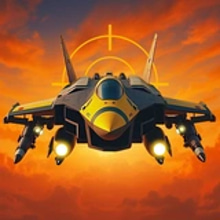
Red Hunt is the kind of space shooter that understands exactly what players want the second they launch it: movement, pressure, enemies everywhere, and just enough firepower to make survival feel possible for a little while. This is a shoot em up game built around speed, aim, and the very old, very reliable pleasure of turning a hostile screen into a field of explosions. No wasted time. No long speeches. No slow warm-up pretending to matter. You enter the fight, hold the line, and start learning how much chaos your reflexes can actually handle.
That immediate energy is what makes Red Hunt so easy to like. It leans hard into the classic arcade shmup feeling, but it keeps the presentation modern enough to feel smooth and satisfying. You are not drifting through empty space hoping something eventually appears. The game is built around constant threat. Enemy ships push in, projectiles fill the screen, and every moment asks the same question in a louder voice: can you keep your ship alive long enough to turn this mess into a bigger score?
And that question, honestly, never gets old.
🔫 𝗧𝗛𝗘 𝗚𝗨𝗡𝗦 𝗗𝗢 𝗡𝗢𝗧 𝗘𝗫𝗜𝗦𝗧 𝗧𝗢 𝗠𝗔𝗞𝗘 𝗬𝗢𝗨 𝗙𝗘𝗘𝗟 𝗦𝗔𝗙𝗘, 𝗧𝗛𝗘𝗬 𝗘𝗫𝗜𝗦𝗧 𝗧𝗢 𝗞𝗘𝗘𝗣 𝗬𝗢𝗨 𝗙𝗜𝗚𝗛𝗧𝗜𝗡𝗚
A good shmup always balances power and panic. Red Hunt does that well. Your weapons feel strong enough to matter, which is important, because a weak shooter is just a slow defeat with extra steps. But the game never lets you feel completely comfortable. The enemies keep coming, the battlefield stays active, and survival depends on how well you move just as much as how much you fire.
That balance gives every second weight. You are always attacking, but you are also constantly repositioning, adjusting, and trying not to fly directly into something stupid. That is the heart of a satisfying air shooting game. Damage alone is never the whole answer. You need control. You need timing. You need to understand when to stay aggressive and when to slide out of danger before the screen becomes one giant, glowing mistake.
The result is a nice kind of tension. The weapons make you feel capable. The enemy pressure reminds you that capability and safety are not the same thing.
🌌 𝗥𝗘𝗗 𝗛𝗨𝗡𝗧 𝗪𝗢𝗥𝗞𝗦 𝗕𝗘𝗖𝗔𝗨𝗦𝗘 𝗜𝗧 𝗞𝗘𝗘𝗣𝗦 𝗧𝗛𝗘 𝗦𝗞𝗬 𝗕𝗨𝗦𝗬
One of the easiest ways a space shooter can fail is by leaving too much dead air between good moments. Red Hunt clearly avoids that. It wants the player active. The AI enemies keep the screen alive, and that constant motion is a huge part of why the game feels addictive. There is always something to respond to. Another target. Another burst of danger. Another reason to shift your aircraft by a few pixels and save yourself at the last possible second.
That flow matters because shmups are really games about decision speed. A player is never making one huge choice. They are making dozens of small ones every minute. Move left. Move lower. Push forward. Ignore that target. Prioritize that one. Use an ability now or hold it. Every tiny decision stacks into survival, and the game gets much of its excitement from how fast those judgments arrive.
This is also why endless shooters can be so hard to quit. The action never settles into total comfort, but it often stays just manageable enough to keep you believing the next stretch will go even better. That feeling is dangerous. Very fun, but dangerous.
🛸 𝗔𝗜 𝗘𝗡𝗘𝗠𝗜𝗘𝗦 𝗞𝗘𝗘𝗣 𝗧𝗛𝗘 𝗕𝗔𝗧𝗧𝗟𝗘 𝗙𝗘𝗘𝗟𝗜𝗡𝗚 𝗔𝗟𝗜𝗩𝗘
A big part of Red Hunt’s appeal comes from the way the enemies create pressure. Endless games need opponents that do more than just appear and politely explode. They need to shape the rhythm of the run. Here, the enemies give the battlefield movement and force the player to stay alert. You are not just shooting targets in a vacuum. You are dealing with waves, patterns, and the increasing demand to stay sharp while the fight escalates.
That helps the game feel more active than static score-chasing shooters. The AI presence keeps the run feeling like an actual battle instead of a shooting drill. Every new cluster of enemies changes where the danger is, where the openings are, and what kind of movement will keep you alive. In a strong shmup, survival becomes a dance between offense and avoidance, and Red Hunt clearly leans into that rhythm.
It also means no run ever feels completely identical. Even inside an endless structure, the pressure can shift enough to keep your attention awake. That is exactly what this kind of game needs.
⚡ 𝗔𝗕𝗜𝗟𝗜𝗧𝗜𝗘𝗦 𝗔𝗥𝗘 𝗧𝗛𝗘 𝗗𝗜𝗙𝗙𝗘𝗥𝗘𝗡𝗖𝗘 𝗕𝗘𝗧𝗪𝗘𝗘𝗡 𝗦𝗨𝗥𝗩𝗜𝗩𝗜𝗡𝗚 𝗔𝗡𝗗 𝗚𝗘𝗧𝗧𝗜𝗡𝗚 𝗢𝗩𝗘𝗥𝗪𝗛𝗘𝗟𝗠𝗘𝗗
The ability system adds another useful layer to the game. It is not enough to simply move and shoot forever. In a fast shooter like this, special abilities help break the rhythm at the right moment. They give players an option when the sky starts filling too quickly or when an enemy group becomes a little too confident. Clicking an ability at the right time can be the difference between extending a strong run and watching it disappear under pressure.
That is why abilities are such a smart fit in Red Hunt. They make the action feel more flexible. Instead of reacting in only one way, you gain another tool to shape the battle. This also creates a small layer of resource judgment. Do you use the ability early to protect a clean run, or do you save it for the moment things become truly ugly? Games get much more interesting when they ask that kind of question.
And in a shooter this fast, those moments of choice feel especially sharp. The window between “I’ve got this” and “I absolutely do not have this” can be very short. A good ability becomes a lifesaver and a power fantasy at the same time.
🖱️ 𝗧𝗛𝗘 𝗠𝗢𝗨𝗦𝗘 𝗖𝗢𝗡𝗧𝗥𝗢𝗟𝗦 𝗞𝗘𝗘𝗣 𝗧𝗛𝗘 𝗔𝗖𝗧𝗜𝗢𝗡 𝗖𝗟𝗘𝗔𝗡 𝗔𝗡𝗗 𝗗𝗜𝗥𝗘𝗖𝗧
One thing that helps Red Hunt a lot is how simple the controls are. You move the aircraft with the mouse while holding the left button, and you activate abilities with direct clicks. That kind of control scheme keeps the game very readable. There is almost no barrier between your intention and the ship’s movement, which is exactly what you want in a fast arcade shooter. When the screen is crowded, the last thing you need is control friction.
This simplicity also makes the game easy to enter. Players can understand the basics almost immediately, which means the difficulty comes from the battlefield, not from learning the interface. That is a strong choice for a browser shmup. It lets the game get to the interesting part faster.
And because movement feels so important in this genre, smooth control matters more than almost anything else. A good dodge needs to feel possible. A near-miss needs to feel earned. Red Hunt benefits from keeping that connection sharp.
🏆 𝗘𝗡𝗗𝗟𝗘𝗦𝗦 𝗦𝗛𝗢𝗢𝗧𝗘𝗥𝗦 𝗔𝗥𝗘 𝗥𝗘𝗔𝗟𝗟𝗬 𝗔𝗕𝗢𝗨𝗧 𝗖𝗛𝗔𝗦𝗜𝗡𝗚 𝗔 𝗕𝗘𝗧𝗧𝗘𝗥 𝗩𝗘𝗥𝗦𝗜𝗢𝗡 𝗢𝗙 𝗬𝗢𝗨𝗥𝗦𝗘𝗟𝗙
The best thing about Red Hunt might be how naturally it creates replay value. Endless shooters live on improvement. You do a run, learn something, come back, last longer, shoot cleaner, move smarter, then try again because now you know you can do even better. That loop is incredibly hard to resist when the action is tight and the pacing stays fast.
A game like this does not need a giant story to keep players invested. It only needs one strong question: how far can you go this time? Once that question starts working, the rest takes care of itself. Every mistake becomes information. Every better run becomes motivation. Every stretch of survival feels like proof that your reflexes are catching up to the game’s demands.
That is why Red Hunt feels so good in short sessions too. You can jump in, survive a few intense minutes, and leave satisfied. Or you can stay much longer because the next run feels like it might finally be the one where everything clicks.
🚀 𝗪𝗛𝗬 𝗥𝗘𝗗 𝗛𝗨𝗡𝗧 𝗙𝗜𝗧𝗦 𝗦𝗢 𝗪𝗘𝗟𝗟 𝗢𝗡 𝗞𝗜𝗭𝟭𝟬
On Kiz10, Red Hunt is a strong fit for players who enjoy space shooters, arcade shmup games, endless survival runs, and air combat built around fast reflexes and clean dodging. It is easy to understand, immediately active, and built around a classic gameplay loop that still works because it never wastes the player’s time. You move, shoot, react, survive, and try to last longer the next time. That is more than enough when the action feels right.
If you like games where the battlefield is constantly alive and every second of survival matters, Red Hunt belongs naturally on Kiz10.com. It combines the speed of an arcade shooter with the addictive structure of an endless challenge, and that is exactly the kind of combination that keeps players coming back. One more run. One better dodge. One cleaner screen of explosions. Then somehow another.













 4.5 (150 votes)
 Share
Share
 Embed
Embed