⚔️ 𝗦𝗧𝗘𝗣 𝗜𝗡𝗧𝗢 𝗧𝗛𝗘 𝗔𝗥𝗘𝗡𝗔 𝗔𝗡𝗗 𝗦𝗧𝗢𝗣 𝗣𝗥𝗘𝗧𝗘𝗡𝗗𝗜𝗡𝗚 𝗜𝗧 𝗪𝗜𝗟𝗟 𝗕𝗘 𝗘𝗔𝗦𝗬
Stick Hero Battle wastes absolutely no time trying to look polite. It drops you into violent, fast-moving arenas where survival depends on your ability to attack quickly, move smartly, and keep control when the screen starts filling with enemies who clearly did not come here to talk. This is an action fighting game built around clean controls and intense combat pressure, and that combination is exactly why it works so well.
At first glance, it seems simple. You are a fearless stick hero. Enemies keep coming. Your job is to fight them off and keep pushing forward. That sounds straightforward enough. Then the pace starts rising, the attacks start needing better timing, movement becomes more important than brute force, and suddenly the game reveals its real strength. It is not just about hitting fast. It is about hitting at the right time, from the right position, with enough awareness to avoid being swallowed by the chaos around you.
That is where Stick Hero Battle becomes addictive. Every fight feels immediate. Every mistake feels obvious. Every clean exchange feels good in that sharp arcade way where your brain instantly wants one more round. It is a simple structure, but simple structures are often the most dangerous when they are this readable. You know what went wrong. You know what you should have done. So naturally, you go again.
🔥 𝗘𝗔𝗦𝗬 𝗖𝗢𝗡𝗧𝗥𝗢𝗟𝗦 𝗗𝗢 𝗡𝗢𝗧 𝗠𝗘𝗔𝗡 𝗘𝗔𝗦𝗬 𝗙𝗜𝗚𝗛𝗧𝗦
One of the smartest things about Stick Hero Battle is that it understands the value of accessible controls. A game like this should never fight the player before the actual enemies do. You need fast input, clear reaction, and immediate feedback, and that is exactly the kind of setup the game seems built around. Easy-to-learn controls make the action feel clean from the first minute, which is essential in a fast arena fighter.
But accessibility is only the door. The interesting part is what the game builds behind it. Once you are comfortable with the basics, the deeper combat starts showing itself. Positioning matters. Timing matters. Reading enemy pressure matters. The game does not become deeper because it adds needless complexity. It becomes deeper because the same simple moves start carrying more meaning once the arena grows more dangerous.
That is the sweet spot for browser action games. Anyone can start. Surviving well is another matter. A basic attack button is easy to understand. Knowing exactly when to attack, when to reposition, and when to avoid overcommitting is where the real skill lives.
👊 𝗦𝗧𝗜𝗖𝗞𝗠𝗔𝗡 𝗖𝗢𝗠𝗕𝗔𝗧 𝗔𝗟𝗪𝗔𝗬𝗦 𝗙𝗘𝗘𝗟𝗦 𝗚𝗢𝗢𝗗 𝗪𝗛𝗘𝗡 𝗧𝗛𝗘 𝗣𝗔𝗖𝗘 𝗜𝗦 𝗥𝗜𝗚𝗛𝗧
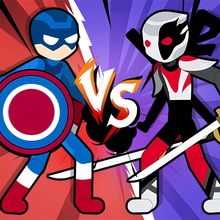
There is a reason stickman fighting games remain popular. Their visual simplicity makes combat easier to read, and when the pacing is right, every hit feels sharper. Stick Hero Battle clearly leans into that advantage. With a stick hero at the center of the action, the game can focus on movement, attack rhythm, and impact without getting buried under too much visual noise.
That gives the battles a satisfying clarity. You can read the danger. You can see where the openings are. You can judge whether you are in control or one bad second away from being surrounded. That is a huge strength in a fast action game. If the player cannot read the battlefield, the game becomes frustrating. If they can read it clearly, the pressure becomes exciting instead.
And excitement is the whole point here. The arena should feel dangerous but fair. When you lose, it should feel like you got overwhelmed because you hesitated, mistimed, or drifted into a bad position, not because the game hid the problem from you. That clarity is what makes every retry feel worthwhile.
🌀 𝗦𝗠𝗔𝗥𝗧 𝗠𝗢𝗩𝗘𝗠𝗘𝗡𝗧 𝗜𝗦 𝗝𝗨𝗦𝗧 𝗔𝗦 𝗜𝗠𝗣𝗢𝗥𝗧𝗔𝗡𝗧 𝗔𝗦 𝗛𝗜𝗧𝗧𝗜𝗡𝗚 𝗛𝗔𝗥𝗗
A lot of fighting games get flattened when players treat movement like an afterthought. Stick Hero Battle sounds like the kind of game that punishes that immediately. Smart movement is highlighted right alongside powerful attacks and perfect timing, which is a very good sign. It means the arenas are not only about damage. They are about control.
That makes the combat much more satisfying. You are not just throwing attacks at whatever gets close. You are moving to create better angles, avoid being boxed in, and manage the flow of enemies before they manage you. In a wave-based arena fighter, this is everything. Once the pressure builds, movement becomes your real defense. A good step can save you. A lazy one can end the whole run.
This also gives the player room to improve in visible ways. The more you play, the more you start noticing when to stay aggressive and when to reset your position. You begin to feel the shape of the battle instead of reacting only to the closest threat. That kind of learning curve is exactly what gives a fighting game replay value.
💥 𝗪𝗔𝗩𝗘𝗦 𝗢𝗙 𝗘𝗡𝗘𝗠𝗜𝗘𝗦 𝗞𝗘𝗘𝗣 𝗧𝗛𝗘 𝗣𝗥𝗘𝗦𝗦𝗨𝗥𝗘 𝗛𝗜𝗚𝗛
The wave-based structure is another major reason Stick Hero Battle stays exciting. Single fights can be satisfying, sure, but waves give the action a stronger rhythm. You defeat one set of enemies, barely stabilize, then another group arrives and forces you to adapt again. That constant escalation is where the arena format becomes dangerous in the best possible way.
Waves also make combat choices more meaningful. A move that works perfectly against two enemies may become risky against six. A safe area one moment may become a trap in the next. The battlefield keeps changing as pressure builds, and that keeps the action from going flat. You are never really done. You are just surviving long enough to face the next problem.
This creates a nice arcade tension too. You always feel like the game is asking, okay, that was good, but can you keep doing it when things get worse? That question is one of the oldest and best tools in action game design. It works because players always want to prove the answer is yes.
⚡ 𝗣𝗘𝗥𝗙𝗘𝗖𝗧 𝗧𝗜𝗠𝗜𝗡𝗚 𝗜𝗦 𝗪𝗛𝗔𝗧 𝗦𝗘𝗣𝗔𝗥𝗔𝗧𝗘𝗦 𝗦𝗨𝗥𝗩𝗜𝗩𝗔𝗟 𝗙𝗥𝗢𝗠 𝗗𝗢𝗠𝗜𝗡𝗔𝗡𝗖𝗘
Stick Hero Battle does not sound like a button-mashing game pretending to be deep. The mention of perfect timing matters a lot. It suggests that there is real reward in controlling your actions instead of spamming them. That is important in any good fighting game, but especially in one built around wave pressure and fast arenas.
Timing changes everything. Attack too early and you may miss an opening or expose yourself. Attack too late and the enemy closes the gap first. Move too soon and you lose your angle. Move too slowly and you get trapped. The best action games make those tiny fractions of a second matter, because that is where mastery starts to emerge.
And when the timing clicks, the game probably feels fantastic. Clean hits, smooth dodges, sharp control, and that lovely moment when a messy arena suddenly feels manageable because your rhythm is stronger than the chaos. That is the payoff players keep chasing.
🎮 𝗪𝗛𝗬 𝗦𝗧𝗜𝗖𝗞 𝗛𝗘𝗥𝗢 𝗕𝗔𝗧𝗧𝗟𝗘 𝗜𝗦 𝗦𝗨𝗖𝗛 𝗔 𝗚𝗢𝗢𝗗 𝗙𝗜𝗧 𝗢𝗡 𝗞𝗜𝗭𝟭𝟬
Stick Hero Battle fits Kiz10 very naturally because it combines everything that works well in browser action games: quick entry, readable combat, replayable wave-based pressure, and satisfying stickman fighting energy. It is easy to start and hard to master, which is exactly the kind of rhythm that keeps players coming back.
If you enjoy stickman fighting games, arena combat, wave survival, and browser games where movement and timing matter just as much as attack power, this one has a lot going for it. It does not need a huge gimmick to stay fun. The combat itself is the gimmick, and that is enough when the pacing is good.
Step into the arena, keep moving, and hit like every second matters. In Stick Hero Battle on Kiz10, it absolutely does.



 2 (180 votes)
 Share
Share
 Embed
Embed