𝗣𝗨𝗦𝗛 💥 𝗧𝗛𝗘 𝗕𝗨𝗧𝗧𝗢𝗡, 𝗥𝗘𝗚𝗥𝗘𝗧 𝗡𝗢𝗧𝗛𝗜𝗡𝗚
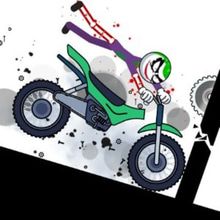
Stickman Dismount Simulator is built on a very simple and very unwell idea: take a helpless stickman, give him just enough speed to make physics angry, and throw him directly into the worst collection of barriers, traps, and painful-looking surfaces you can imagine. That is the game. No fake elegance. No emotional speech. No heroic mission to save the world. Just momentum, impact, and the glorious disaster that follows when a ragdoll body meets a level designed by someone who clearly had issues with safety regulations.
On Kiz10, this physics game works because it understands exactly what players want from a good dismount simulator. You do not come here for subtle strategy or slow, thoughtful exploration. You come here to launch a stickman into chaos and watch the game reward maximum destruction. The bigger the crash, the better. The harder the slam, the happier your score. Every run becomes a tiny stunt show with extremely bad medical outcomes, and somehow that makes it hard to stop playing.
It is ridiculous, loud without needing words, and instantly readable. You hit start, you send the stickman flying, and then the level does the rest. Beautiful in a horrifying kind of way.
𝗣𝗛𝗬𝗦𝗜𝗖𝗦 🦴 𝗜𝗦 𝗧𝗛𝗘 𝗥𝗘𝗔𝗟 𝗦𝗧𝗔𝗥 𝗢𝗙 𝗧𝗛𝗘 𝗦𝗛𝗢𝗪
What gives Stickman Dismount Simulator its bite is the ragdoll physics. A crash game like this lives or dies by how satisfying the impacts feel, and this one leans fully into the chaos. The stickman does not just fall over politely. He bends, flips, bounces, slams, and tumbles through obstacles like gravity has a personal grudge against him. Every barrier becomes an opportunity for fresh suffering, and every bad landing becomes weirdly entertaining because the body reacts in such a dramatic, exaggerated way.
That physical unpredictability is the hook. You can understand the goal immediately, but you never know exactly how the crash will unfold. Maybe your launch angle sends the stickman cleanly into a deadly chain of obstacles. Maybe he clips one trap, spins sideways, then somehow gets folded into three more hazards on the way down. Maybe the level turns one strong impact into a full-body pinball routine. That uncertainty makes every attempt feel alive.
And because the whole structure is built around damage, the game encourages experimentation. Different angles, different timing, different amounts of turbo, different expectations for how much pain one poor stickman can survive before the level decides it is finally enough. The answer is usually “more than expected.”
𝗧𝗨𝗥𝗕𝗢 ⚡ 𝗜𝗦 𝗡𝗢𝗧 𝗔 𝗕𝗢𝗡𝗨𝗦, 𝗜𝗧 𝗜𝗦 𝗔 𝗣𝗥𝗢𝗕𝗟𝗘𝗠 𝗦𝗢𝗟𝗩𝗘𝗥
The turbo system is one of the best parts of the experience because speed changes everything. A weak push might create a decent flop, but a strong launch turns the whole level into an impact puzzle. Suddenly a simple ramp becomes a threat multiplier. A harmless barrier becomes a bone-breaking opportunity. A sequence of traps turns into a combo machine built to reward velocity and terrible judgment.
That is what makes the game feel more active than it first appears. It is not just press button, watch crash, repeat. Well, it is, but the fun comes from understanding how much that button matters. Turbo is the language of destruction here. More speed means more force, more flips, more collisions, more chances for the ragdoll to keep bouncing through the level instead of stopping after one sad hit.
A great run in Stickman Dismount Simulator is not about one single impact. It is about chain damage. One collision leads into another, then another, then a final humiliating slide into whatever nasty structure was waiting at the end. That is when the game feels at its best. When the crash develops rhythm. When the whole level seems to collaborate in ruining your stunt dummy’s day.
𝗧𝗥𝗔𝗣𝗦 🚧 𝗔𝗡𝗗 𝗕𝗔𝗥𝗥𝗜𝗘𝗥𝗦 𝗧𝗨𝗥𝗡 𝗘𝗩𝗘𝗥𝗬 𝗟𝗘𝗩𝗘𝗟 𝗜𝗡𝗧𝗢 𝗔 𝗣𝗔𝗜𝗡 𝗠𝗔𝗣
A big reason this stunt action game stays entertaining is the obstacle design. The levels are not there just to look dangerous. They are structured to create impact opportunities. Barriers stop momentum in the worst possible way. Traps redirect the body into new collisions. Tight spaces amplify damage. Even basic layouts become interesting because the physics can interact with them so differently depending on how the stickman enters.
That gives the game a strange kind of strategy. Not thoughtful strategy in the chess sense. More like destructive intuition. You start reading levels by asking the important questions. Where will the first hard slam happen? Which trap is most likely to keep the ragdoll bouncing? Is a straight launch better than a slightly awkward angle that might create more body rotation? The game never needs to explain any of this out loud. You learn by crashing. Repeatedly. Enthusiastically.
And because each level is basically an invitation to test new forms of destruction, replay value comes naturally. You are not only chasing a result. You are chasing a better disaster. A funnier one. A more effective one. A more absurd one where the stickman somehow touches every harmful object on screen before finally giving up on dignity altogether.
𝗦𝗜𝗠𝗣𝗟𝗘 🎮 𝗖𝗢𝗡𝗧𝗥𝗢𝗟𝗦, 𝗠𝗔𝗫𝗜𝗠𝗨𝗠 𝗗𝗔𝗠𝗔𝗚𝗘
Another strength of Stickman Dismount Simulator is how quickly it gets out of your way. The controls are simple. You press start. You launch the stickman. That is enough. The game does not bury the fun under layers of unnecessary menus or overcomplicated systems. It knows the core fantasy is immediate and it respects that.
That simplicity makes it a strong browser game. You can open it, understand it instantly, and start chasing ridiculous crashes within seconds. But simple controls do not mean boring results. In fact, the opposite happens. Because the setup is so direct, the crashes themselves become the focus. You are free to enjoy the spectacle, analyze what worked, and immediately try again without interruption.
This is especially important for a ragdoll stunt game. The fun depends on momentum, not just in the level, but in the player’s experience. You want fast retries. You want quick experiments. You want to laugh at a brutal flip, then start another attempt before the energy disappears. Stickman Dismount Simulator understands that rhythm very well.
𝗪𝗛𝗬 😈 𝗕𝗥𝗘𝗔𝗞𝗜𝗡𝗚 𝗕𝗢𝗡𝗘𝗦 𝗜𝗦 𝗦𝗢 𝗪𝗘𝗜𝗥𝗗𝗟𝗬 𝗦𝗔𝗧𝗜𝗦𝗙𝗬𝗜𝗡𝗚
There is a reason games like this keep finding players. They turn failure into entertainment. In most games, crashing hard is the mistake. Here, crashing hard is the whole point. That shift changes the emotional tone completely. You are not trying to avoid disaster. You are engineering it. You are building it. You are celebrating it when the ragdoll pinwheels through three hazards and somehow still finds a fourth on the way down.
That reversal makes the game very easy to enjoy. There is no shame in wiping out. Wiping out well is the goal. The score, the impacts, the crunch of exaggerated physics, all of it feeds the same loop. Launch, destroy, improve, repeat. It scratches the same itch as other great ragdoll and stunt games: the joy of watching motion go terribly, spectacularly wrong.
And because the stickman format keeps everything visually simple, the action stays readable. You can instantly tell when a hit was weak and when a hit was glorious. That clarity matters. Good crash games need impact you can feel at a glance, and Stickman Dismount Simulator delivers that with plenty of nasty charm.
𝗪𝗛𝗬 🚀 𝗜𝗧 𝗙𝗜𝗧𝗦 𝗞𝗜𝗭10
Stickman Dismount Simulator is a perfect match for Kiz10 because it offers fast, funny, physics-driven action without wasting a second. It is easy to start, easy to understand, and packed with the kind of ragdoll chaos that makes short sessions stretch into many more runs than you planned. There is always another level to test, another launch to improve, another awful collision sequence to admire.
If you enjoy stickman games, ragdoll physics, stunt simulators, crash mechanics, and browser games where destruction is the reward, this one does exactly what it should. It keeps the premise clean and lets the impacts do all the talking.
In the end, Stickman Dismount Simulator is not about elegance. It is about velocity, collision, and the art of turning one button press into a full-body catastrophe. On Kiz10, that makes it a wonderfully chaotic physics game where every launch feels like a bad idea and every bad idea is somehow worth repeating. Again. And again. And probably one more time after that. 😵





 Share
Share
 Embed
Embed