𝗧𝗛𝗘 𝗠𝗢𝗨𝗡𝗧𝗔𝗜𝗡 🧗 𝗜𝗦 𝗡𝗢𝗧 𝗧𝗥𝗬𝗜𝗡𝗚 𝗧𝗢 𝗞𝗜𝗟𝗟 𝗬𝗢𝗨, 𝗕𝗨𝗧 𝗧𝗛𝗘 𝗥𝗢𝗣𝗘𝗦 𝗔𝗥𝗘 𝗗𝗢𝗜𝗡𝗚 𝗔 𝗚𝗥𝗘𝗔𝗧 𝗜𝗠𝗣𝗥𝗘𝗦𝗦𝗜𝗢𝗡 𝗢𝗙 𝗜𝗧
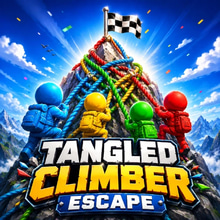
Tangled Climber Escape takes a very simple visual problem and turns it into the kind of puzzle that quietly hijacks your attention. A group of climbers is stranded on a mountainside, the ropes are crossed into a mess, the anchor points are limited, and the clock is already making everything feel much more personal than it should. That is a strong setup for a browser puzzle game because it creates tension without needing noise. No explosions. No giant monsters. Just a really bad knot situation and the uncomfortable certainty that if you panic, the whole rescue gets worse.
On Kiz10, that kind of game fits nicely alongside the site’s growing set of untangle, rope, and rescue puzzles. Pages like Tangle Master Game, Thread Jam: Untangle Ropes, Rope Unroll, Brain Rescue Mission, and Puppet Rescue already show that Kiz10 supports logic games built around ropes, crossings, rescue pressure, and route planning. Tangled Climber Escape would sit naturally in that lane while giving it a more vertical, mountain-rescue identity.
𝗥𝗢𝗣𝗘𝗦 🪢 𝗔𝗥𝗘 𝗙𝗨𝗡𝗡𝗬 𝗨𝗡𝗧𝗜𝗟 𝗧𝗛𝗘𝗬 𝗦𝗧𝗔𝗥𝗧 𝗔𝗖𝗧𝗜𝗡𝗚 𝗟𝗜𝗞𝗘 𝗔 𝗟𝗢𝗚𝗜𝗖 𝗧𝗘𝗦𝗧
The core idea of Tangled Climber Escape is excellent because it makes the player solve a visual problem that immediately feels physical. The ropes are not abstract lines on a board. They represent real climbers stuck in a bad position, and every move between anchors should feel like it has consequences. That makes the puzzle much more engaging than a generic untangle game. You are not only clearing lines. You are guiding people to safety by creating order out of total mountain-side nonsense.
This is where the game’s challenge becomes addictive. Untangling is rarely about one big genius move. It is about sequencing. Which climber moves first? Which anchor point frees space? Which rope is creating the most trouble? Once a puzzle game gets the player thinking in those small controlled steps, it becomes very hard to stop because every level feels one move away from clarity. Kiz10’s Tangle Master Game and Thread Jam: Untangle Ropes both emphasize that same kind of layered rope logic, where one correct adjustment can suddenly make the whole mess readable.
𝗔𝗡𝗖𝗛𝗢𝗥 𝗣𝗢𝗜𝗡𝗧𝗦 ⚓ 𝗔𝗥𝗘 𝗡𝗢𝗧 𝗝𝗨𝗦𝗧 𝗦𝗣𝗢𝗧𝗦 𝗢𝗡 𝗔 𝗪𝗔𝗟𝗟, 𝗧𝗛𝗘𝗬 𝗔𝗥𝗘 𝗬𝗢𝗨𝗥 𝗪𝗛𝗢𝗟𝗘 𝗣𝗟𝗔𝗡
A really smart part of the concept is the anchor-point movement. That one detail changes the game from a simple drag-and-rearrange untangler into something more spatial and strategic. You are not just separating ropes for cosmetic satisfaction. You are relocating climbers through limited safe positions, and that makes every action much more meaningful. Each anchor becomes a temporary answer, a staging point, maybe even a trap if you use it too early.
That limited-space feeling is what gives the puzzle real teeth. Tighter layouts are always more interesting because they force the player to think ahead. A move that looks helpful at first can completely block the path for the next climber. A rope that seems harmless may be the one knot holding the whole level hostage. This is exactly the kind of spatial pressure that makes logic games feel satisfying instead of passive.
𝗧𝗛𝗘 𝗧𝗜𝗠𝗘𝗥 ⏳ 𝗜𝗦 𝗪𝗛𝗘𝗥𝗘 𝗧𝗛𝗘 𝗚𝗔𝗠𝗘 𝗦𝗧𝗢𝗣𝗦 𝗕𝗘𝗜𝗡𝗚 𝗣𝗢𝗟𝗜𝗧𝗘
Without a timer, Tangled Climber Escape could already be a good brain game. Add the time limit, and suddenly it becomes much more alive. Now the player is not only solving. The player is solving under pressure. That changes the emotional rhythm completely. The first few seconds of a level are about reading the tangle. After that, the clock starts arguing with every thoughtful instinct you have. Should you stop and think another second, or trust the move and go? That is where the fun starts getting sharp.
Timed puzzle games work when they create urgency without destroying clarity. Here, the timer sounds like it exists to stop overthinking, not to replace strategy with chaos. That is a good balance. It means quick observation matters just as much as puzzle logic. Kiz10’s Puppet Rescue and Gibbets 4 both use a similar pressure structure, where the puzzle itself is clear but time adds enough stress to make execution matter.
𝗠𝗢𝗥𝗘 𝗖𝗟𝗜𝗠𝗕𝗘𝗥𝗦 🧠 𝗠𝗘𝗔𝗡 𝗠𝗢𝗥𝗘 𝗖𝗛𝗔𝗢𝗦, 𝗔𝗡𝗗 𝗧𝗛𝗔𝗧 𝗜𝗦 𝗘𝗫𝗔𝗖𝗧𝗟𝗬 𝗧𝗛𝗘 𝗥𝗜𝗚𝗛𝗧 𝗗𝗜𝗥𝗘𝗖𝗧𝗜𝗢𝗡
The promise that later levels introduce more climbers, tighter spaces, and more complex knots is exactly what this kind of game needs. Good puzzle escalation is not about making everything faster for no reason. It is about increasing the number of relationships the player has to understand. More ropes mean more crossings. More climbers mean more possible movement orders. Less space means more consequences for every wrong guess.
That progression matters because it turns the early stages into training instead of the whole experience. A game like this becomes more satisfying when the player starts recognizing patterns. You begin by solving individual tangles. Later, you start seeing the entire knot structure more quickly. You start understanding which ropes are the real problem and which only look dramatic. That growth is one of the best feelings a puzzle game can offer.
𝗣𝗢𝗪𝗘𝗥-𝗨𝗣𝗦 ⚙️ 𝗦𝗛𝗢𝗨𝗟𝗗 𝗙𝗘𝗘𝗟 𝗟𝗜𝗞𝗘 𝗥𝗘𝗦𝗖𝗨𝗘 𝗧𝗢𝗢𝗟𝗦, 𝗡𝗢𝗧 𝗖𝗛𝗘𝗔𝗣 𝗘𝗦𝗖𝗔𝗣𝗘𝗦
The mention of power-ups is another strong sign because it suggests the game gives the player moments of controlled relief without flattening the challenge. In a puzzle like this, power-ups work best when they help solve pressure points instead of solving the whole level for you. A little extra time. A hint. A way to open space. Something that says yes, this knot is awful, here is a small lifeline, now keep thinking.
That kind of support is especially useful in timed browser puzzles because it makes the game more accessible without making it dull. New players get help when they need it, while better players can save those tools for the nastier stages. If handled well, power-ups become part of the strategy rather than a replacement for it.
𝗥𝗘𝗦𝗖𝗨𝗘 🚩 𝗚𝗔𝗠𝗘𝗦 𝗪𝗢𝗥𝗞 𝗕𝗘𝗧𝗧𝗘𝗥 𝗪𝗛𝗘𝗡 𝗘𝗩𝗘𝗥𝗬 𝗦𝗢𝗟𝗨𝗧𝗜𝗢𝗡 𝗟𝗢𝗢𝗞𝗦 𝗟𝗜𝗞𝗘 𝗔 𝗟𝗜𝗧𝗧𝗟𝗘 𝗠𝗜𝗥𝗔𝗖𝗟𝗘
One reason Tangled Climber Escape sounds so effective is that it frames the puzzle as a rescue instead of a sterile logic board. That matters emotionally. When the last knot comes free and the level clears, it should feel like more than a solved pattern. It should feel like a situation rescued from collapse. That tiny bit of story pressure gives the game more personality.
Kiz10’s Brain Rescue Mission and Puppet Rescue show how well rescue framing can improve a logic game. In both, the core mechanics revolve around clearing hazards and guiding characters to safety, which makes the solution feel more meaningful than simply “level complete.” Tangled Climber Escape could do the same thing with ropes, climbers, and mountain exposure as its main source of tension.
𝗪𝗛𝗬 🏔️ 𝗧𝗔𝗡𝗚𝗟𝗘𝗗 𝗖𝗟𝗜𝗠𝗕𝗘𝗥 𝗘𝗦𝗖𝗔𝗣𝗘 𝗙𝗜𝗧𝗦 𝗞𝗜𝗭10
Tangled Climber Escape fits Kiz10 because the site already supports the exact ingredients that make this concept work: untangling logic, rope-based problem solving, rescue framing, and browser-friendly puzzle sessions. Tangle Master Game and Thread Jam: Untangle Ropes cover the knot-clearing side. Rope Unroll adds rope physics. Brain Rescue Mission and Puppet Rescue show that rescue pressure is already a proven puzzle flavor on the site. Put those strengths together, and a mountain rescue untangler makes perfect sense in the Kiz10 catalog.
If you enjoy rope puzzles, rescue games, timed logic challenges, and that very specific pleasure of turning complete visual chaos into clean, satisfying order, this one has all the right ingredients. It is tense without being noisy, clever without being cold, and built around the exact kind of “just one more level” structure that works very well in a browser.





 Share
Share
 Embed
Embed