Build saloons, expand railroads, and turn frontier dust into profit in this Wild West city building game on Kiz10 where every upgrade shapes your empire.
2: Description Long
🤠 𝗧𝗛𝗘 𝗪𝗘𝗦𝗧 𝗗𝗢𝗘𝗦 𝗡𝗢𝗧 𝗪𝗔𝗜𝗧 𝗙𝗢𝗥 𝗔𝗡𝗬𝗢𝗡𝗘, 𝗔𝗡𝗗 𝗡𝗘𝗜𝗧𝗛𝗘𝗥 𝗗𝗢𝗘𝗦 𝗬𝗢𝗨𝗥 𝗧𝗢𝗪𝗡
Wild West City: Building Sim is the kind of game that takes the dusty fantasy of the frontier and turns it into a full-blown management obsession. At first, it feels simple enough. You arrive in a rough land with room to grow, a few resources to manage, and a dream big enough to survive the heat, the distance, and the constant pressure of expansion. Then the game opens up. Suddenly you are placing saloons, building banks, opening ranches, managing mines, connecting railroads, balancing production, and trying to keep an entire frontier settlement from collapsing under its own ambition. That is exactly where the fun begins.
This is not only a town builder where you throw buildings onto empty land and hope for the best. It is a strategy game about direction. Every structure says something about the city you are creating. A ranch helps feed growth. A mine fuels progress. A bank strengthens the economy. A railroad station changes everything because now your little frontier outpost starts becoming something larger, something connected, something that actually matters beyond its own dust-covered limits. That sense of growth is the real reward here. You are not just decorating the West. You are trying to tame it.
And of course, the West never makes that easy. A good city builder always works because every gain creates a new problem. More people need more resources. More buildings demand better planning. Bigger trade ambitions force better infrastructure. Wild West City: Building Sim sounds like it understands that loop very well. The town grows, and your responsibilities grow faster.
🏜️ 𝗔 𝗙𝗥𝗢𝗡𝗧𝗜𝗘𝗥 𝗧𝗢𝗪𝗡 𝗜𝗦 𝗢𝗡𝗟𝗬 𝗚𝗢𝗢𝗗 𝗜𝗙 𝗜𝗧 𝗖𝗔𝗡 𝗞𝗘𝗘𝗣 𝗜𝗧𝗦𝗘𝗟𝗙 𝗔𝗟𝗜𝗩𝗘
The strongest thing about Wild West City: Building Sim is that it seems to understand the fantasy of the frontier properly. A western town is not only a collection of pretty wooden buildings with a few horses nearby for atmosphere. It is a fragile little machine that needs resources, trade, labor, planning, and enough income to survive one more season of ambition. That makes the city-building far more satisfying, because progress has weight.
You are not building blindly. You are building with purpose. A ranch is not just something that looks correct in a western town. It supports the system. A mine is not just there because gold feels dramatic. It drives the economy. A railroad station is not merely a cool landmark. It changes the speed, direction, and scale of your expansion. When a management game makes every building meaningful, the whole map starts feeling more alive.
That is where the strategy becomes interesting. You are always making small decisions that shape the future of the city. Do you invest in economic stability first, or in fast expansion? Do you chase prestige too early, or secure the resource flow first so the flashy upgrades do not break the town later? These are the questions that keep city builders addictive.
💰 𝗚𝗢𝗟𝗗 𝗜𝗦 𝗚𝗥𝗘𝗔𝗧, 𝗕𝗨𝗧 𝗔 𝗥𝗘𝗔𝗟 𝗖𝗜𝗧𝗬 𝗥𝗨𝗡𝗦 𝗢𝗡 𝗣𝗟𝗔𝗡𝗡𝗜𝗡𝗚
One of the nicest things in the concept is that Wild West City: Building Sim does not seem obsessed with surface glamour alone. Yes, saloons and banks are fun. Yes, historical landmarks sound exciting. But the game also clearly points to something smarter: the resource chain matters. Mines, ranches, businesses, and transport links are what keep the city alive long enough for the impressive stuff to exist.
That is exactly the right approach for a management game. A town should not become successful because the player clicked the prettiest building first. It should become successful because the player built a strong foundation and then expanded with intention. That gives the whole experience much more depth. A player who understands the economy will grow faster, recover better, and make cleaner long-term decisions than someone who only builds for appearance.
And that creates the best kind of tension. Every luxurious new building feels tempting, but the game keeps reminding you that elegance without infrastructure is just expensive failure waiting to happen. Good. That is how frontier management should feel.
🚂 𝗧𝗛𝗘 𝗥𝗔𝗜𝗟𝗥𝗢𝗔𝗗 𝗜𝗦 𝗣𝗥𝗢𝗕𝗔𝗕𝗟𝗬 𝗧𝗛𝗘 𝗥𝗘𝗔𝗟 𝗛𝗘𝗥𝗢 𝗢𝗙 𝗧𝗛𝗘 𝗪𝗘𝗦𝗧
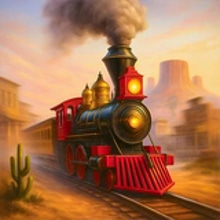
If there is one feature that really gives Wild West City: Building Sim its larger identity, it is the railroad. Connecting your city to distant lands turns the game from a local town sim into something more ambitious. The railroad is what makes the map breathe. It expands trade, increases mobility, opens new opportunities, and changes the town’s place in the world. Without that, you have a settlement. With it, you start building influence.
This is why train infrastructure feels so important in strategy games. It is not only about transport. It is about momentum. Once the rails are working for you, the city stops feeling trapped by geography. Now growth can accelerate. New markets become possible. New citizens arrive more easily. The frontier no longer feels like the end of the world. It starts feeling like the beginning of something much bigger.
That is also why the railroad likely becomes one of the player’s most satisfying milestones. A new saloon is nice. A functioning connection to the wider world feels transformative.
🏦 𝗧𝗛𝗘 𝗪𝗘𝗦𝗧𝗘𝗥𝗡 𝗧𝗢𝗪𝗡 𝗙𝗔𝗡𝗧𝗔𝗦𝗬 𝗪𝗢𝗥𝗞𝗦 𝗕𝗘𝗖𝗔𝗨𝗦𝗘 𝗘𝗩𝗘𝗥𝗬 𝗕𝗨𝗜𝗟𝗗𝗜𝗡𝗚 𝗛𝗔𝗦 𝗖𝗛𝗔𝗥𝗔𝗖𝗧𝗘𝗥
Another reason the game sounds appealing is the setting itself. The Wild West naturally gives every building more personality than a generic modern city sim. A bank is not just finance. It is a symbol of ambition. A saloon is not just commerce. It is atmosphere, identity, noise, life. A ranch is not just production. It is part of the town’s physical and cultural shape. Even a simple expansion feels more dramatic in a western setting because everything carries a little myth with it.
That helps the whole game feel more memorable. You are not only optimizing numbers. You are building a frontier story. The map slowly turns into something with mood, with flavor, with that strong dusty charm that western worlds do so well. It is easier to care about a town when the town feels like it could actually have a legend attached to it.
🤝 𝗔𝗟𝗟𝗜𝗔𝗡𝗖𝗘𝗦 𝗧𝗨𝗥𝗡 𝗔 𝗦𝗢𝗟𝗢 𝗧𝗢𝗪𝗡 𝗜𝗡𝗧𝗢 𝗣𝗔𝗥𝗧 𝗢𝗙 𝗔 𝗕𝗜𝗚𝗚𝗘𝗥 𝗪𝗘𝗦𝗧
The Wild West Alliance feature is a very smart addition because it pushes the game beyond pure solo management. Once other players, trading, cooperation, and competition enter the picture, the city feels much less isolated. Your town stops being a quiet private project and becomes part of a wider frontier network. That changes the tone in a good way.
Trade makes strategy more flexible because it lets players solve shortages in more interesting ways. Cooperation adds a social reason to keep growing. Exclusive events and alliance-based rewards create urgency and fresh goals. All of that helps keep a management game alive over time. A strong city builder always needs more than one axis of progress, and multiplayer alliance systems are a good way to provide that.
It also fits the western fantasy surprisingly well. Frontier towns were never only about survival. They were about trade routes, influence, alliances, and competition over who would become important first. The game seems to capture that broader idea nicely.
🏆 𝗧𝗜𝗠𝗘-𝗕𝗔𝗦𝗘𝗗 𝗘𝗩𝗘𝗡𝗧𝗦 𝗚𝗜𝗩𝗘 𝗧𝗛𝗘 𝗘𝗠𝗣𝗜𝗥𝗘 𝗦𝗢𝗠𝗘𝗧𝗛𝗜𝗡𝗚 𝗧𝗢 𝗖𝗛𝗔𝗦𝗘
Events are another strong touch because they keep the city from becoming too comfortable. A good builder game needs moments where the player is asked to optimize under pressure, adapt to unusual goals, or pursue special rewards that are not always available. Time-based challenges do that very well. They create short-term urgency inside a game otherwise built around long-term planning.
That balance is important. A purely slow strategy game can eventually lose tension. Events bring spikes of energy back into the loop. They give experienced players a reason to push harder and newer players a reason to experiment more boldly.
🎮 𝗪𝗛𝗬 𝗪𝗜𝗟𝗗 𝗪𝗘𝗦𝗧 𝗖𝗜𝗧𝗬: 𝗕𝗨𝗜𝗟𝗗𝗜𝗡𝗚 𝗦𝗜𝗠 𝗙𝗜𝗧𝗦 𝗞𝗜𝗭𝟭𝟬 𝗦𝗢 𝗪𝗘𝗟𝗟
Wild West City: Building Sim feels like a great fit for Kiz10 because it combines several things that work especially well in browser management games: visible city growth, resource balancing, satisfying expansion, themed buildings with strong identity, and a progression loop that constantly gives the player one more improvement to chase. It is easy to understand, but deep enough to keep players invested.
If you enjoy city builders, resource simulators, and strategy games where every new district, railroad, and business makes your town feel more powerful, this one has a lot going for it. It captures the charm of the frontier while still delivering the practical satisfaction of a smart economy game.
Build carefully. Trade wisely. Expand without losing control. And remember, in the Wild West, the town that looks the strongest is usually the one that planned best.





 Share
Share
 Embed
Embed