🌳 𝗧𝗛𝗘 𝗙𝗢𝗥𝗘𝗦𝗧 𝗜𝗦 𝗗𝗬𝗜𝗡𝗚, 𝗔𝗡𝗗 𝗬𝗢𝗨 𝗔𝗥𝗘 𝗔 𝗩𝗘𝗥𝗬 𝗦𝗠𝗔𝗟𝗟 𝗛𝗘𝗥𝗢 𝗪𝗜𝗧𝗛 𝗔 𝗩𝗘𝗥𝗬 𝗕𝗜𝗚 𝗝𝗢𝗕
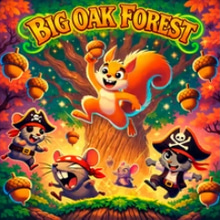
Big Oak Forest is the kind of platform game that looks charming at first glance and then immediately starts testing whether your reflexes deserve that trust. You play as Nutty, a squirrel scout trying to save the Great Oak after pirate rats steal the magical acorns keeping the forest alive. It is such a good setup because it gives the whole adventure a clear, urgent goal without ever losing that old-school platformer spirit. Jump, climb, search, survive, repeat. Sounds simple. It really, really is not.
This is a pixel platform game built around upward movement, tight jumps, environmental hazards, hidden collectibles, and boss pressure. The mission in each level is wonderfully sharp: find all 3 magical acorns, unlock the portal, and keep climbing. That collectible requirement is important because it turns every stage into more than a straight sprint to the exit. You cannot just survive. You have to pay attention. You have to explore. You have to earn the right to move on.
And that is exactly why the game sticks. Every branch looks like a path, a trap, or a secret. Often all three at once.
🐿️ 𝗡𝗨𝗧𝗧𝗬 𝗜𝗦 𝗡𝗢𝗧 𝗢𝗩𝗘𝗥𝗣𝗢𝗪𝗘𝗥𝗘𝗗, 𝗔𝗡𝗗 𝗧𝗛𝗔𝗧 𝗜𝗦 𝗚𝗢𝗢𝗗
A lot of platform games become less interesting when the hero feels too safe. Big Oak Forest clearly avoids that. Nutty is agile, sure, but the game sounds built around precision instead of brute force. You move left and right, jump, read hazards, and work your way through forest stages that keep asking for slightly better timing than the last one. That style is one of the reasons retro platformers still work so well. The controls are clean, the danger is visible, and every success feels personal.
Kiz10 already has live platform games built around this same appeal. Mr. Macagi Adventures leans on short, tricky retro levels and fair but demanding jumps, while Super Jump World pushes classic run-and-jump timing through modern tribute design. Big Oak Forest fits right beside those games, but with a stronger climbing identity and a more focused collectible structure.
🪵 𝗘𝗩𝗘𝗥𝗬 𝗕𝗥𝗔𝗡𝗖𝗛 𝗙𝗘𝗘𝗟𝗦 𝗟𝗜𝗞𝗘 𝗔 𝗣𝗨𝗭𝗭𝗟𝗘
The best thing about Big Oak Forest might be how it treats movement as problem solving. You are not just running right and hoping the level is kind. You are reading sticky spiderwebs, slick honey patches, springy mushrooms, enemy placements, and hidden acorn routes all at once. That is much more interesting than a flat jump test. It means each level has its own little personality.
Spiderwebs sound especially nasty in the best way. Anything that interrupts movement in a precision platformer instantly creates tension. Honey patches are another smart twist, because slipperiness changes rhythm, and rhythm is everything in games like this. Then the mushrooms enter the picture and suddenly the forest becomes vertical chaos with rules you need to respect if you want to survive.
That environmental variety is what helps the 24-level structure feel exciting instead of repetitive. The game is not only asking whether you can jump. It is asking whether you can adapt.
🥜 𝗧𝗛𝗘 𝗔𝗖𝗢𝗥𝗡 𝗦𝗬𝗦𝗧𝗘𝗠 𝗜𝗦 𝗪𝗛𝗔𝗧 𝗠𝗔𝗞𝗘𝗦 𝗧𝗛𝗘 𝗟𝗘𝗩𝗘𝗟𝗦 𝗥𝗘𝗔𝗟𝗟𝗬 𝗪𝗢𝗥𝗞
Having to collect 3 magical acorns in every level before the portal appears is a huge plus. That single design choice gives the stages much more depth. If the goal were only to reach the end, the game would still be fun, but it would lose some of its exploratory tension. With hidden acorns, every corner matters. Every side route becomes tempting. Every missed ledge might mean you are leaving progress behind.
That also creates a nice internal conflict. Do you go for the obvious safe route first, or do you take the weirder branch because it might hide an acorn? Do you risk a harder jump for a collectible now, or clear the rest of the room first? These are small decisions, but they make each level more memorable.
Kiz10’s Forest Secret shows a similar kind of retro forest exploration where hidden routes and careful searching matter as much as surviving the platforming itself. Big Oak Forest sounds tougher and more combat-driven, but the same satisfaction is there: the stage rewards players who actually look.
🐝 𝗘𝗡𝗘𝗠𝗜𝗘𝗦 𝗠𝗔𝗞𝗘 𝗧𝗛𝗘 𝗖𝗟𝗜𝗠𝗕 𝗙𝗘𝗘𝗟 𝗔𝗟𝗜𝗩𝗘
A platformer needs enemies that do more than stand around waiting to be jumped over, and Big Oak Forest seems to understand that. Caterpillars block routes, beetles charge, and bees swarm. That is a good spread because it suggests different movement problems rather than one repeated enemy template. Blocking enemies slow you down. Charging enemies punish hesitation. Swarming enemies create panic. That combination is excellent for a game built around climbing under pressure.
And because the game ends with a boss fight against Captain Blackwhisker, the whole platforming journey gets a real dramatic payoff. Bosses matter in retro platformers because they turn all the movement lessons into one focused test. If the levels taught you timing, adaptation, and pattern reading, the boss should demand all of that at once. This game sounds built for exactly that kind of ending.
⚡ 𝗧𝗛𝗘 𝗗𝗜𝗙𝗙𝗜𝗖𝗨𝗟𝗧𝗬 𝗜𝗦 𝗣𝗥𝗢𝗕𝗔𝗕𝗟𝗬 𝗧𝗛𝗘 𝗠𝗔𝗜𝗡 𝗔𝗧𝗧𝗥𝗔𝗖𝗧𝗜𝗢𝗡
Big Oak Forest is clearly aiming at players who enjoy challenge. Not fake challenge. Not cluttered chaos. Real platform difficulty where missing a jump is your fault, learning the stage matters, and repeating a room until it clicks feels rewarding instead of miserable. That style still has a huge audience for a reason.
Kiz10 already features games that prove it. Banana Bonanza Temple Trouble leans on risky jumps and collectible paths, while Amour Feats turns trap-heavy platforming into a constant rhythm of attack and movement. Big Oak Forest seems to sit nicely between those ideas: it has the collectible route-reading of one and the enemy pressure of the other, all wrapped in a squirrel-versus-pirate-rats story that is somehow both silly and heroic.
🎮 𝗪𝗛𝗬 𝗕𝗜𝗚 𝗢𝗔𝗞 𝗙𝗢𝗥𝗘𝗦𝗧 𝗙𝗜𝗧𝗦 𝗞𝗜𝗭𝟭𝟬 𝗦𝗢 𝗪𝗘𝗟𝗟
Kiz10 already has a strong shelf of retro and precision platformers. Forest Secret offers pixel forest exploration, Mr. Macagi Adventures delivers tricky nostalgic jumps, Super Jump World channels classic platform timing, Banana Bonanza Temple Trouble focuses on jungle trap routes, and Amour Feats mixes beasts and platform combat. Big Oak Forest fits this catalog beautifully because it adds a climbing focus, a full acorn-hunt structure, and a boss-driven forest rescue story on top of that familiar challenge-first platforming style.
If you enjoy pixel platform games, collectible-driven levels, and hard jumps that feel fair right until they absolutely humble you, this one has a lot going for it. It looks cute, but it clearly wants skill. And that is usually a very good sign.


















 2 (154 votes)
 Share
Share
 Embed
Embed