🥊🩸 The ring is not a friendly place
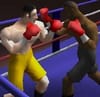
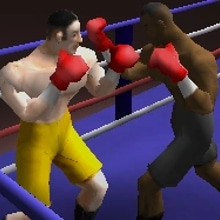
Blood Sweat and Leather is the kind of boxing game that does not care about elegance. It cares about impact. It cares about pressure. It cares about whether you can survive a brutal exchange without forgetting how to defend yourself. Public descriptions of the game present it as a 3D boxing title where you choose a fighter and battle through tournaments for championships, which already tells you everything about the mood: this is not a goofy side activity, this is the ring, the grind, the hit, the recovery, the next hit.
What gives Blood Sweat and Leather its old-school appeal is how direct it feels. You step in, square up, and start learning the ugly little rhythm of combat. Some boxing games try to bury the action under menus, flashy presentation, or too many soft systems pretending to be depth. This one goes for the throat in a much simpler way. You have punches, defense, timing, and the knowledge that one careless habit can turn you into ring furniture. That kind of honesty works. It gives the game a rough personality, like a battered gym with cracked mirrors and one coach yelling things that are technically advice and emotionally a threat.
And that title, honestly, does a lot of work. Blood. Sweat. Leather. It sounds like the ring smells terrible, and that is exactly the energy you want from a boxing game. Nothing polished. Nothing precious. Just gloves, punishment, and the long road toward becoming champion.
👊⚡ Every punch needs a reason
According to the available controls and descriptions, Blood Sweat and Leather uses a classic boxing setup with multiple punch types, including body shots, liver shots, uppercuts, jabs, crosses, hooks, and a dedicated defense input. That detail matters because it pushes the game away from lazy button mashing and toward something more deliberate. If the game gives you that many striking options, it is asking you to think about when and where to attack, not just whether you are attacking.
That is where the tension comes from. A jab is not the same as a hook. A body shot is not the same as an uppercut. Even when the visuals feel a little raw, the logic of boxing still cuts through everything. You are reading your opponent, trying to create openings, trying not to overcommit. Then, naturally, you overcommit anyway because your brain suddenly decides this is the perfect moment to become reckless. It usually is not. Boxing games are cruel like that. They let confidence bloom just long enough for a counterpunch to arrive and ruin the speech you were giving yourself in your head.
The fun is in that push and pull. Attack, defend, breathe, pressure, retreat, fire again. A good boxing game does not feel like random flailing. It feels like a conversation where both people are trying to interrupt each other with violence. Blood Sweat and Leather has that kind of energy. Messy at times, yes, but never lifeless.
🏆🔥 Climbing through the hurt
Kongregate’s description frames the game around selecting one of several boxers and fighting your way to titles in a tournament structure. That progression is a huge part of the appeal. A single boxing match can be fun, sure, but a championship climb gives each bout weight. Suddenly every win matters because it is not just a random exhibition. It is one more step toward the belt, one more test, one more ugly night under the lights.
That structure creates a proper fighter fantasy. You are not just swinging at a dummy. You are building a path. You imagine the training, the pressure, the bad corners, the swollen face, the next opponent watching from somewhere off-screen like a future problem with gloves. The game does not need pages of story to make that work. The tournament itself is the story. Win, advance, hurt, recover, do it again.
And there is something deeply satisfying about that loop in boxing games. Every new rival feels like a small challenge to your habits. Are you too aggressive? Too passive? Too willing to chase damage when defense would save the round? You start noticing your own flaws. You notice what gets you clipped. You notice how often panic makes your choices worse. Then, little by little, you clean it up. Or try to. Sometimes improvement looks noble. Other times it looks like barely surviving a fight you absolutely should have controlled better 😅
🧠🥋 It is not just fists, it is rhythm
The reason boxing games stay interesting is that they are really about rhythm disguised as combat. Blood Sweat and Leather seems to understand that. The available move list and defensive input suggest a match flow built around timing windows, striking variety, and choosing the right moment to commit. You are always measuring distance in your head, even if the game never says it out loud. You are feeling the tempo. You are reading hesitation. You are trying to throw the right punch at the right time instead of becoming a desperate tornado with gloves.
And when a boxing game clicks, it feels fantastic. Not because it becomes easy. Because it becomes readable. You begin to notice patterns. You start anticipating. You defend earlier. You stop wasting shots. Suddenly the ring feels a little slower, a little clearer. Then one clean counter lands, and for a moment you feel like a genius. Five seconds later you get tagged by something obvious and remember that boxing punishes arrogance at world-record speed.
That unpredictability keeps the matches alive. Even when you know the rules, the pressure changes everything. A ring fight always feels fragile. One mistake can shift momentum. One smart exchange can restore control. That emotional swing is where these games thrive. The punches matter because the timing matters. The timing matters because survival matters. Very simple. Very mean. Very effective.
🩹💀 The charm of rough old-school brutality
Blood Sweat and Leather comes from that older browser-game era where plenty of titles were built around a single strong concept and trusted the player to figure the rest out. The public listings date it to 2011 and describe it as a Unity 3D boxing game with classic-style gameplay. That older design language gives it a particular texture. It is less about modern polish and more about raw engagement. You load it up because you want the fight, not because you need a thousand layered progression systems trying to explain your own fists to you.
There is a real charm in that. The game feels physical in the bluntest possible way. Leather gloves. Hard shots. Tournament ladder. Nothing fancy around the edges. It reminds you why boxing works so well in browser form: the concept is instantly readable, the stakes are clear, and the drama appears naturally every time two fighters share a ring. You do not need magic powers. You do not need giant fantasy lore. You just need two people who want the same title and are willing to punch through the disagreement.
And yes, the tone is harsh, but that is part of the fantasy. This is not tea-time strategy. This is hurt management. This is trying to stay composed while another fighter attempts to rearrange your plans with a hook. There is something gloriously primitive about that setup. It strips the competition down to nerve, timing, and how long you can keep your mistakes under control.
🎮🏁 Why Blood Sweat and Leather still works
For players who like boxing games, tournament progression, and that rough, no-nonsense ring atmosphere, Blood Sweat and Leather still has a very clear identity. It is about becoming champion by surviving hard bouts, using a range of punches intelligently, and learning when defense matters more than ego. Public descriptions consistently point to that core loop: choose a boxer, fight through opponents, and chase titles with classic boxing controls.
That is enough. More than enough, really. The best sports fighting games do not need to overcomplicate themselves. They just need to make each exchange feel tense and each victory feel earned. Blood Sweat and Leather leans into that philosophy with a bruised, stubborn sort of confidence. It wants you to feel the grind. The title chase. The pressure. The bad decisions. The little moments of ring brilliance that make you forget the last beating and queue up for the next one anyway.
So if you enjoy boxing games with a gritty mood, punch variety, and championship progression, this one has a hard-knuckled charm. It is not delicate. It is not soft. It is gloves, sweat, impact, and survival under the lights. Somewhere between the jab, the hook, and the panic of a badly timed exchange, Blood Sweat and Leather finds its whole personality. Mean, classic, and strangely satisfying.





 2.8 (8 votes)
 Share
Share
 Embed
Embed