𝗧𝗛𝗘 𝗥𝗢𝗔𝗗 𝗜𝗦 𝗔 𝗣𝗨𝗭𝗭𝗟𝗘, 𝗔𝗡𝗗 𝗬𝗢𝗨’𝗥𝗘 𝗧𝗛𝗘 𝗣𝗟𝗢𝗪 ❄️🚜
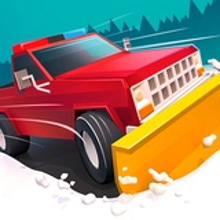
Clean Road on Kiz10 looks like a simple snowplow job at first. Clear the snow, free the cars, move on. Easy, right? Then you steer two meters too hard, shove a giant white wall into the only exit lane, and suddenly you’re running a one-vehicle traffic apocalypse. That’s when it clicks: this isn’t just “driving.” It’s a weirdly satisfying puzzle where the snow behaves like a stubborn living thing, and every choice you make stays on the map like a permanent note that says, “Nice try.”
The game doesn’t ask you to race. It asks you to think while moving. You’re carving space, sculpting paths, and trying to keep the roads breathing. And yes, it’s oddly calming… until it isn’t. Because once the levels start stacking tighter streets and heavier piles, you realize you’re not relaxing, you’re operating heavy machinery with the emotional stability of a cat on roller skates. 😅
𝗧𝗛𝗘 𝗦𝗔𝗧𝗜𝗦𝗙𝗬𝗜𝗡𝗚 𝗠𝗢𝗠𝗘𝗡𝗧 𝗪𝗛𝗘𝗡 𝗧𝗛𝗜𝗡𝗚𝗦 𝗦𝗧𝗔𝗥𝗧 𝗠𝗢𝗩𝗜𝗡𝗚 ✅🚗
Clean Road has a very specific kind of reward: watching the world become functional again. At the start of a level, everything feels blocked, cramped, frozen. Cars sit there like they’ve accepted their icy fate. Then you cut your first clean line through the snow, and suddenly the whole scene changes. One lane opens. A car starts rolling. Another follows. It’s like you flipped a switch from “stuck” to “alive.”
That little transformation is the hook. It’s not loud, but it’s powerful. You can actually see the result of good decisions. You can also see the result of bad ones, which is… humbling. The game is honest. If you made a mess, you’re going to deal with the mess. If you cleared smartly, the level runs smooth and you feel like a winter superhero who solves problems with a bumper. 😄
𝗦𝗡𝗢𝗪 𝗗𝗢𝗘𝗦𝗡’𝗧 𝗗𝗜𝗦𝗔𝗣𝗣𝗘𝗔𝗥, 𝗜𝗧 𝗠𝗢𝗩𝗘𝗦 🧠🧊
Here’s the trick that makes Clean Road better than it first appears: you’re not deleting snow, you’re relocating it. Snow is the level itself. Push it left and it becomes a barrier on the left. Push it right and it becomes a barrier on the right. Push it into the middle by mistake and… congratulations, you invented a new obstacle that hates you.
That’s why it feels like a puzzle. You’re constantly choosing where the snow should live so it stops blocking what matters. It’s almost like moving furniture in a tiny apartment. You can absolutely make space… but if you shove the couch into the hallway, nobody’s getting out. The smartest clears are usually controlled, not dramatic. You shave piles down. You guide them to safer edges. You avoid creating giant blobs that later become impossible to manage.
And the funny part is how quickly you start thinking like a real plow operator. You’ll catch yourself planning routes. “If I clear this corner first, the rest opens up.” “If I push that pile there, I’ll regret it later.” Your brain becomes a tiny winter logistics manager. On Kiz10. While steering with two keys. Life is strange. 😅
𝗖𝗛𝗢𝗞𝗘𝗣𝗢𝗜𝗡𝗧𝗦 𝗔𝗥𝗘 𝗧𝗛𝗘 𝗥𝗘𝗔𝗟 𝗕𝗢𝗦𝗦 🛣️⚠️
Every level has at least one spot that secretly controls the whole difficulty. A narrow turn. A tight gate. A little funnel where snow piles up and cars need room. If you clear that chokepoint early, everything suddenly feels easier. If you ignore it, you end up doing panic plowing later, when the snow is thicker and your path is uglier.
This is where Clean Road becomes oddly strategic. You’re not just reacting to what’s directly in front of you. You’re reading the road ahead, spotting the bottlenecks, and deciding what to solve first. The best clears often start with making a usable lane, not a perfect lane. Get movement going. Create flow. Then widen and clean up. Flow is your friend. Once cars start moving, the level feels less like a frozen wall and more like a system you can guide.
Sometimes you’ll do the opposite and try to “beautify” everything first. It feels nice… until you realize you spent too long shaping snow while the important exit is still blocked. It’s a classic trap: pretty work that doesn’t solve the real problem. The game teaches you to be practical.
𝗦𝗠𝗢𝗢𝗧𝗛 𝗦𝗧𝗘𝗘𝗥𝗜𝗡𝗚 𝗜𝗦 𝗙𝗔𝗦𝗧 𝗦𝗧𝗘𝗘𝗥𝗜𝗡𝗚 🎯🚜
Clean Road isn’t about twitchy driving. It punishes zigzag chaos because zigzag chaos spreads snow into messy chunks. Messy chunks are harder to push. Harder to push means slower clears. And slow clears are how you end up feeling like you’re wrestling a marshmallow mountain.
When you steer smoothly, everything becomes cleaner. The piles form nicely at the edges. Your path stays open. You keep control. It’s a weird lesson, but it’s true: calm movement creates speed. A clean pass can do more than three frantic swerves. You start aiming for gentle curves and deliberate pushes, and suddenly the game feels like it’s cooperating instead of resisting.
There’s also a little satisfaction in driving a “professional” line. You take a lane, push a pile neatly to the side, and the road behind you looks clean like a freshly brushed sidewalk. It’s the kind of satisfaction that’s hard to explain to someone who hasn’t played, because it sounds like chores. But it doesn’t feel like chores. It feels like control.
𝗨𝗣𝗚𝗥𝗔𝗗𝗘𝗦 𝗧𝗛𝗔𝗧 𝗠𝗔𝗞𝗘 𝗬𝗢𝗨 𝗙𝗘𝗘𝗟 𝗟𝗜𝗞𝗘 𝗔 𝗠𝗔𝗖𝗛𝗜𝗡𝗘 ⚙️💪
As levels get tougher, the snow gets heavier and the roads get meaner. That’s where upgrades matter. A stronger vehicle changes the whole vibe. Early on, you might feel like you’re nudging snow around politely. Later, with upgrades, you feel like you’re cutting through it with confidence, pushing bigger piles without stalling and recovering from mistakes faster.
But upgrades don’t turn the game into autopilot. They just raise your ceiling. You still have to push snow to the right places. You still have to keep lanes open. A stronger plow can still ruin a level if you shove everything into the wrong corner like you’re angry at winter itself. The best feeling is when your upgrades and your technique finally sync: you’re powerful enough to handle the heavy stuff, and smart enough not to create new problems.
That combination makes progression feel earned. Not just “numbers go up,” but “I feel better at this.” Your clears become smoother. Your routes become cleaner. Your mistakes become rarer and less disastrous.
𝗪𝗛𝗬 𝗖𝗟𝗘𝗔𝗡 𝗥𝗢𝗔𝗗 𝗢𝗡 𝗞𝗜𝗭𝟭𝟬 𝗜𝗦 𝗦𝗢 𝗔𝗗𝗗𝗜𝗖𝗧𝗜𝗩𝗘 ✨❄️
Clean Road hits a sweet spot that a lot of casual driving games miss. It’s simple to understand, but it keeps giving you tiny problems to solve. It’s relaxing, but it can also get tense when the level layout turns tight and the snow piles get aggressive. It rewards planning without making you feel like you’re studying. And it gives instant visual payoff: blocked roads become clean roads because of you.
It also has that “just one more level” energy. You finish a stage and think, okay, that was satisfying. Then the next stage loads and the road is even worse, and your brain goes, “I can fix that.” It becomes a loop of quick challenges, clean clears, and small improvements. And even when you mess up, the failure is rarely confusing. You’ll know what happened. You pushed the pile into the lane. You oversteered. You ignored the chokepoint. You got cocky. The road responded.
If you like driving games with a puzzle twist, satisfying “make order from mess” gameplay, and upgrades that make you feel stronger without removing the need to think, Clean Road on Kiz10 is exactly that. It’s winter chaos, but you’re the solution. Most of the time. 😄🚜❄️


















 2.5 (155 votes)
 Share
Share
 Embed
Embed


