𝗕𝗹𝗼𝗰𝗸𝘀, 𝗯𝘂𝗹𝗹𝗲𝘁𝘀, 𝗮𝗻𝗱 𝗻𝗼 𝘁𝗶𝗺𝗲 𝘁𝗼 𝗽𝗮𝗻𝗶𝗰 🎯
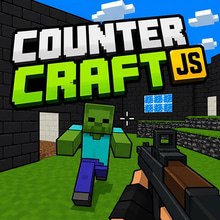
Counter Craft JS throws you into the kind of battlefield that looks playful for one second and dangerous the next. The world has that chunky, blocky style that instantly feels familiar, but the action is pure first-person shooter pressure. You move through tight maps, peek corners, manage your ammo, and try to outshoot everyone before they do the same to you. It is fast, sharp, and built around the kind of decision-making that happens in a split second and somehow still ruins your mood when you choose wrong.
That is the first thing the game gets right. It does not overcomplicate the premise. You enter tactical battles where aim matters, reflexes matter, and positioning matters even more than your confidence wants to admit. The maps are lively enough to keep fights unpredictable, but not so messy that everything turns random. Every route, wall, and opening becomes part of the fight. You are constantly reading space, looking for danger, and trying not to waste the few opportunities the game gives you.
On Kiz10, Counter Craft JS works because it blends two very satisfying ideas: block-style shooter energy and light crafting progression. So you are not only firing your way through tense rounds. You are also thinking about how to improve your setup, stay prepared, and keep an edge when the next fight starts getting ugly.
𝗧𝗵𝗲 𝗯𝗮𝘀𝗶𝗰𝘀 𝗮𝗿𝗲 𝗲𝗮𝘀𝘆, 𝘁𝗵𝗲 𝘀𝘂𝗿𝘃𝗶𝘃𝗮𝗹 𝗽𝗮𝗿𝘁 𝗶𝘀 𝗻𝗼𝘁 🔫
At its heart, Counter Craft JS is built on classic FPS principles. Move, aim, shoot, survive. That sounds simple because it is simple, at least until the first serious firefight begins. Then everything tightens up. Suddenly your movement matters more. Your reaction time matters more. The angle you choose around a corner matters more. The way you spend your ammo becomes a real question instead of a background detail.
That ammunition pressure is one of the smartest parts of the game. Many shooters let players spray bullets like the laws of supply somehow stopped existing. Counter Craft JS is a bit stricter. You cannot always get away with messy shooting. Miss too much and you create your own disaster. That changes the whole pace. Encounters become more deliberate. Even aggressive players have to stay aware of what they are spending and whether the next fight is already around the corner.
This creates a nice tension in every round. You want to shoot fast, because hesitation gets punished. But you also need to shoot well, because panic firing can leave you exposed and underprepared. That push and pull is what makes the combat feel good.
𝗠𝗮𝗽𝘀 𝘁𝗵𝗮𝘁 𝗺𝗮𝗸𝗲 𝗲𝘃𝗲𝗿𝘆 𝗰𝗼𝗿𝗻𝗲𝗿 𝗳𝗲𝗲𝗹 𝗽𝗲𝗿𝘀𝗼𝗻𝗮𝗹 🧱
A shooter lives or dies on map flow, and Counter Craft JS benefits a lot from its blocky environments. They are easy to read at a glance, which helps the game stay fast, but they still create plenty of tension. You are always one turn away from trouble. A hallway can become a trap. An open lane can become a death sentence if you cross carelessly. A useful position can become a prison the second another player figures out where you are.
That makes movement more thoughtful than it first appears. You are not just wandering through a cube-shaped arena. You are choosing lines, testing angles, and trying to stay one step ahead of opponents who are doing the exact same thing. The best moments come when a map starts feeling familiar enough that your movement becomes instinctive. You know where to peek, where to hesitate, and where to avoid standing unless you have a very good reason and a much better aim.
This is where the tactical side really starts to show. Quick reflexes matter, yes, but they work best when paired with smart route choices. A player who understands the map can survive longer than a player who only trusts speed. In a game like this, geometry is basically part of the enemy team.
𝗟𝗶𝗴𝗵𝘁 𝗰𝗿𝗮𝗳𝘁𝗶𝗻𝗴 𝗴𝗶𝘃𝗲𝘀 𝘁𝗵𝗲 𝗴𝘂𝗻𝗳𝗶𝗴𝗵𝘁𝘀 𝗺𝗼𝗿𝗲 𝘀𝗵𝗮𝗽𝗲 ⚙️
What makes Counter Craft JS more interesting than a straight block shooter is the crafting flavor built into the loop. It is not a giant survival simulator with menus stacked on menus. Good. It keeps the crafting light enough to support the action instead of drowning it. The result is a sense of progression that feels practical. You are not only trying to survive the current encounter. You are thinking a little ahead, improving your tools, and finding ways to enter the next round in better condition.
That extra layer gives the battles more purpose. Every survival stretch feels more valuable because it contributes to what comes next. Better gear decisions lead to better combat options. Better combat options lead to more consistent survival. It is a small system on paper, but it changes the rhythm of the game in a useful way. Suddenly each round is not just a temporary shootout. It is part of a longer climb.
And that climb feels good because it remains grounded in action. The crafting never steals the spotlight. The firefights still do. It simply adds another reason to stay engaged and another way for smarter players to gain an advantage.
𝗥𝗼𝘂𝗻𝗱 𝘀𝘂𝗿𝘃𝗶𝘃𝗮𝗹 𝗰𝗿𝗲𝗮𝘁𝗲𝘀 𝘁𝗵𝗮𝘁 𝗻𝗶𝗰𝗲 𝗹𝗶𝘁𝘁𝗹𝗲 𝗳𝗲𝗲𝗹𝗶𝗻𝗴 𝗼𝗳 𝗽𝗿𝗲𝘀𝘀𝘂𝗿𝗲 😵
There is something especially effective about round-based combat. Every encounter feels temporary, but important. You are not just wandering endlessly through a map hoping something happens. You are surviving a sequence of dangerous moments, each one asking whether your aim, positioning, and resource control are good enough. That structure gives Counter Craft JS a tighter identity.
The pressure builds naturally. A clean early round makes you feel sharp. A messy round makes you reconsider everything. A close survival leaves you tense in the best way. Those small emotional swings are what keep shooters like this engaging. The game does not need a huge dramatic story when every firefight already tells a little one. You peek, commit, miss, recover, reposition, somehow win, and immediately feel ten percent smarter than you were thirty seconds ago.
Or the opposite happens. You take one bad angle and get punished instantly. That also counts as learning, even if it feels rude.
𝗪𝗵𝘆 𝘁𝗵𝗲 𝗯𝗹𝗼𝗰𝗸𝘆 𝘀𝘁𝘆𝗹𝗲 𝗮𝗰𝘁𝘂𝗮𝗹𝗹𝘆 𝗵𝗲𝗹𝗽𝘀 🎮
The pixel-block visual style does more than just make the game recognizable. It gives the action clarity. Targets are readable. The world feels direct. The shapes are simple enough that fights stay easy to track, which is a huge advantage in a fast browser FPS. Instead of drowning the screen in visual clutter, the design keeps things immediate. See the lane. Read the threat. React.
That simplicity also gives the game a kind of rough charm. Counter Craft JS is not pretending to be a hyper-serious military sim. It is a tactical shooter with block-world energy, and that combination makes it feel lighter without making it soft. The fights still hit hard. The decisions still matter. It just packages all that pressure in a visual style that is approachable and fun.
𝗪𝗵𝘆 𝗖𝗼𝘂𝗻𝘁𝗲𝗿 𝗖𝗿𝗮𝗳𝘁 𝗝𝗦 𝗳𝗶𝘁𝘀 𝗞𝗶𝘇𝟭𝟬 𝘀𝗼 𝘄𝗲𝗹𝗹 🚀
On kiz10.com, Counter Craft JS lands in a very satisfying space between arcade shooter and tactical FPS. It is easy to jump into, but it still rewards careful play. Fans of blocky shooters, craft-themed combat, survival rounds, and precision aiming will find plenty to like here. The mix of quick fights, map awareness, ammo pressure, and small progression choices gives the game more bite than a lot of casual browser shooters.
It also respects your time. You can jump in for a short burst of action and still feel the tension immediately. No long warm-up. No massive barrier to entry. Just combat, decisions, and that constant little question every good shooter asks: are you actually in control, or do you only think you are?
Counter Craft JS is quick, punchy, and more tactical than its playful look might suggest. If you enjoy first-person shooter games where ammo is limited, reactions must stay sharp, and every round pushes you to fight a little smarter, this one is an easy fit. In a blocky arena, hesitation is loud. Aim better 😎





 2.5 (211 votes)
 Share
Share
 Embed
Embed