𝗕𝗥𝗢𝗞𝗘𝗡 𝗪𝗢𝗥𝗟𝗗, 𝗦𝗛𝗢𝗥𝗧 𝗢𝗣𝗧𝗜𝗢𝗡𝗦 🌫️🧟
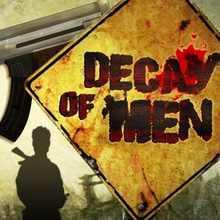
Decay of Men doesn’t open with heroic speeches or shiny armor. It opens with a vibe that feels like dust in your throat and bad news on repeat. The world has already fallen apart, the streets don’t promise safety, and “survival” isn’t a dramatic goal anymore, it’s a daily negotiation. On Kiz10, the game lands as a gritty zombie shooter where you’re forced to think like someone who can’t afford mistakes: you scavenge what you can, you fight when you must, and you keep moving because staying still is basically signing your own goodbye. It’s not just about landing shots, it’s about staying calm when your ammo count starts looking embarrassing and the next area is still waiting.
What makes it instantly sticky is how the game mixes action with resource pressure. You can shoot, sure, but you can’t just spray bullets like you’re trying to impress the apocalypse. Every encounter asks you the same rude question: how much are you willing to spend to survive this moment, knowing the next moment might be worse? That tension becomes the engine of the whole experience, and it’s weirdly satisfying because it feels earned. You don’t win because you’re overpowered. You win because you stayed sharp when the game tried to drag you into panic.
𝗧𝗛𝗘 𝗔𝗜𝗠 𝗜𝗦 𝗦𝗜𝗠𝗣𝗟𝗘, 𝗧𝗛𝗘 𝗣𝗥𝗘𝗦𝗦𝗨𝗥𝗘 𝗜𝗦 𝗡𝗢𝗧 🎯😬
Decay of Men plays like a survival firefight where positioning and timing matter as much as aim. You’re scanning left and right, watching threats appear, choosing targets fast, and deciding when to step back into cover instead of pretending you’re invincible. It’s the kind of shooter where you feel the difference between “I’m in control” and “I’m reacting late” immediately. One second you’re fine. The next second you’re reloading at the worst possible time like your hands forgot what fear is. 😅
The best runs happen when you treat each fight like a small plan rather than a loud brawl. You pick off the most dangerous enemies first, you avoid wasting shots at awkward angles, and you accept that sometimes the smartest move is to pause, breathe, and reset your rhythm. The game rewards that quiet discipline. When you start playing disciplined, the chaos feels manageable. When you don’t, it feels like the world is laughing at you through broken windows.
𝗦𝗖𝗔𝗩𝗘𝗡𝗚𝗘 𝗟𝗜𝗞𝗘 𝗬𝗢𝗨’𝗥𝗘 𝗔𝗟𝗥𝗘𝗔𝗗𝗬 𝗟𝗢𝗪 🧰💀
Scavenging is not a side activity here, it’s the heartbeat. You’re collecting what you can, grabbing supplies, and hunting for the essentials that let you push to the next location. And because everything is scarce, every pickup feels meaningful. It’s not “loot for decoration,” it’s “loot because your future depends on it.” That changes your mindset fast. You stop rushing. You start searching. You start paying attention to what matters: ammunition, survival tools, and those little resources that eventually turn into real upgrades.
There’s a very particular kind of satisfaction when you finish an area with just enough supplies left. Not a huge surplus, not a victory lap, just that small relieved thought: okay… we can continue. It feels gritty in a good way, like you’re surviving on decision-making, not on luck. And yes, sometimes it is luck, but the game makes you work hard enough that even luck feels like something you earned by being ready for it.
𝗦𝗧𝗢𝗡𝗘𝗦, 𝗨𝗣𝗚𝗥𝗔𝗗𝗘𝗦, 𝗔𝗡𝗗 𝗧𝗛𝗘 𝗘𝗩𝗢𝗟𝗨𝗧𝗜𝗢𝗡 𝗢𝗙 𝗬𝗢𝗨𝗥 𝗡𝗘𝗥𝗩𝗘𝗦 🪨🔧
Decay of Men has that classic survival progression that keeps you coming back: you collect valuable stones and use them to upgrade your equipment. On paper, that sounds simple. In practice, it becomes your long-term strategy. Upgrades aren’t just “bigger numbers,” they’re comfort. They’re insurance. They’re the difference between barely surviving and actually controlling a fight. The more you invest wisely, the more the game starts feeling like you’re building a survivor, not just piloting a desperate stranger.
But here’s the fun part: upgrades don’t remove the tension, they just change the flavor of it. Early game tension is “I have nothing.” Mid game tension is “I have something, but I can still lose it.” Late game tension becomes “I’m strong enough to be confident, and confidence is where I get sloppy.” The game quietly punishes sloppy, so you end up upgrading your playstyle along with your gear. That’s the real progression, honestly. Your aim improves, sure, but your decisions improve more. 🧠✨
𝗖𝗢𝗠𝗕𝗔𝗧 𝗥𝗛𝗬𝗧𝗛𝗠: 𝗦𝗛𝗢𝗢𝗧, 𝗛𝗜𝗗𝗘, 𝗥𝗘𝗟𝗢𝗔𝗗, 𝗥𝗘𝗧𝗛𝗜𝗡𝗞 🧱🔫
The combat loop feels like a rough rhythm you learn by surviving it. You fire, you take cover, you reload, you peek again. The game shines when you stop trying to be a movie hero and start playing like a cautious fighter. Cover matters. Timing matters. Reloading becomes a decision instead of a reflex. Even switching weapons feels like a small statement: am I going for control, am I going for damage, or am I going for survival because this situation is turning ugly?
And it does turn ugly. That’s the point. You’ll get moments where the screen feels busy, enemies are pressuring you, and your instincts say “just shoot everything.” If you do that, you usually end up empty. The smarter move is selective violence. Take out the biggest threat. Thin the group. Keep a few bullets in reserve so you’re not helpless when the next wave arrives. That’s the kind of micro-planning that makes Decay of Men feel like survival instead of a simple shooting gallery. 😈
𝗧𝗛𝗘 𝗔𝗣𝗢𝗖𝗔𝗟𝗬𝗣𝗦𝗘 𝗜𝗦 𝗔 𝗠𝗢𝗢𝗗, 𝗔𝗡𝗗 𝗬𝗢𝗨 𝗛𝗔𝗩𝗘 𝗧𝗢 𝗠𝗔𝗧𝗖𝗛 𝗜𝗧 🌑🧟♂️
There’s an atmosphere in Decay of Men that sticks. It’s not just zombies, it’s the feeling of being outnumbered by circumstances. You’re moving through a world where trust is gone and supplies are thin, and the game keeps reminding you that survival isn’t glamorous. The humor, if it exists, is mostly your internal monologue when you barely make it through something you absolutely shouldn’t have. Like, “Okay, that was terrible, let’s never do that again.” Then you do it again five minutes later because the world doesn’t offer better options. 😅🪦
That mood actually helps the gameplay. It pushes you to play slower when needed, to respect danger, to treat every new area like it might have teeth. And when you finally clear a tough section, it feels like relief, not just a checkmark. The game doesn’t hand you victory, it lets you crawl to it. That makes wins feel heavier, in a good way.
𝗦𝗠𝗔𝗟𝗟 𝗦𝗨𝗥𝗩𝗜𝗩𝗔𝗟 𝗛𝗔𝗕𝗜𝗧𝗦 𝗧𝗛𝗔𝗧 𝗞𝗘𝗘𝗣 𝗬𝗢𝗨 𝗔𝗟𝗜𝗩𝗘 🤫⚙️
If you want Decay of Men to feel smoother, the best trick is boring: treat ammo like gold and time like a shield. Don’t reload in the open unless you absolutely have to. Don’t waste shots at long range if you can wait and make them count. And when you get a chance to upgrade, don’t buy something just because it looks exciting. Buy the thing that will reduce your future panic. The best upgrade is the one that makes the next fight feel less like a gamble.
Also, try not to chase perfect aggression. Aggression is tempting because it feels powerful, but the game is built around survival pacing. Slow, controlled, consistent decisions beat dramatic moments. Dramatic moments are fun, sure, but dramatic moments are also where the apocalypse collects its fee.
Decay of Men on Kiz10 is for players who like zombie survival shooters with scavenging, upgrades, and that constants“do I have enough to push forward?” pressure. It’s gritty without being complicated, tense without being unfair, and it’s the kind of game where you’ll replay not just to win, but to win cleaner… with fewer mistakes… and maybe with a little dignity left. 🧟🔫🪨





 4.3 (10 votes)
 Share
Share
 Embed
Embed