𝗧𝗛𝗘 𝗖𝗜𝗧𝗬 𝗜𝗦 𝗡𝗢𝗪 𝗬𝗢𝗨𝗥 𝗦𝗣𝗘𝗟𝗟𝗕𝗢𝗢𝗞 🌆⚡
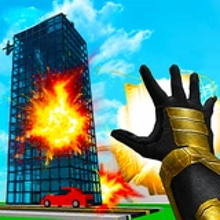
Destroy the City! takes one of the most satisfying fantasies in arcade gaming and gives it a magical twist that feels instantly dangerous to your free time. You are not driving through the streets, hiding from enemies, or trying to save the town from disaster. You are the disaster. Buildings stand there politely for a few seconds, and then your spells arrive, the skyline starts to break apart, and the whole game makes its point very clearly: this is not about restraint, this is about power.
That is exactly why it works so well on Kiz10.
This is a destruction action game built around magical force, exaggerated impact, and constant escalation. You move through different city environments, call down spells, and watch structures crumble under the kind of elemental chaos that makes every upgrade feel personal. The loop is direct in the best possible way. Smash things. Earn strength. Unlock more. Return stronger. Smash harder. There is no need for a complicated setup when the core pleasure is already so obvious. Magic plus destruction is a very hard combination to resist.
And once the first building really comes apart in front of you, the game has already won half the battle.
𝗠𝗔𝗚𝗜𝗖 𝗙𝗘𝗘𝗟𝗦 𝗕𝗘𝗧𝗧𝗘𝗥 𝗪𝗛𝗘𝗡 𝗜𝗧 𝗟𝗘𝗔𝗩𝗘𝗦 𝗖𝗥𝗔𝗧𝗘𝗥𝗦 🔥🪄
One of the smartest things about Destroy the City! is that it does not use magic like a pretty side effect. Magic is the whole system. It is your weapon, your identity, and the reason every level feels like an invitation to overreact in the most entertaining way possible. Instead of one generic attack repeated forever, the game leans into an assortment of magical powers, which gives the destruction more personality. Each spell is not just a stronger hit. It is a different flavor of ruin.
That matters because destruction games live on variation. If every blast feels the same, the fun fades quickly. But when the game keeps offering new ways to crack walls, flatten structures, and turn one clean city block into a scene of magical overkill, the whole loop stays fresh. You are not only becoming stronger. You are becoming more expressive in how you demolish the world.
And honestly, that is one of the best things a magic game can offer. Power should feel dramatic. Here, it absolutely does.
𝗗𝗘𝗦𝗧𝗥𝗨𝗖𝗧𝗜𝗢𝗡 𝗜𝗦 𝗧𝗛𝗘 𝗥𝗘𝗔𝗟 𝗥𝗘𝗪𝗔𝗥𝗗, 𝗡𝗢𝗧 𝗝𝗨𝗦𝗧 𝗧𝗛𝗘 𝗚𝗢𝗔𝗟 💥🏙️
A lot of action games use destruction as decoration. Destroy the City! seems to understand that destruction itself is the real attraction. Watching structures collapse, seeing pieces break apart, and feeling the visual impact of your spells is not a little bonus attached to the gameplay. It is the gameplay. That is what makes the whole experience so satisfying. Every successful attack creates a visible change in the world. The map reacts. The city suffers. Your progress becomes physical.
That kind of feedback is crucial. A game about urban chaos should never feel abstract. You should not have to imagine the power. You should see it happen. When a spell lands and a building starts coming apart in front of you, that reaction gives the player a very immediate kind of pleasure. It says, yes, that worked, and yes, you should probably do it again.
Which, naturally, you do.
𝗘𝗔𝗖𝗛 𝗨𝗣𝗚𝗥𝗔𝗗𝗘 𝗠𝗔𝗞𝗘𝗦 𝗬𝗢𝗨 𝗠𝗢𝗥𝗘 𝗗𝗔𝗡𝗚𝗘𝗥𝗢𝗨𝗦 📈🌩️
Progression is what turns a good destruction toy into a great one, and Destroy the City! clearly leans into that. Unlocking new possibilities, facing fresh challenges, and improving your magical abilities gives the game the kind of growth loop that keeps every level feeling meaningful. You are not just causing chaos for one isolated moment. You are building toward bigger chaos later.
That is where the game becomes especially addictive. Early on, your power feels impressive. Later, it should feel absurd. That shift is one of the most satisfying arcs in any action game. The player wants to feel that they have gone from dangerous to unstoppable, and magical destruction is the perfect fantasy for that kind of escalation. A stronger spell does not just increase damage in some invisible number system. It changes the visual scale of the disaster you can cause.
And once that scale starts growing, the whole game becomes much harder to leave alone. One more upgrade always sounds reasonable when it might let you erase an entire city block with style.
𝗠𝗨𝗟𝗧𝗜𝗣𝗟𝗘 𝗨𝗥𝗕𝗔𝗡 𝗭𝗢𝗡𝗘𝗦 𝗠𝗔𝗞𝗘 𝗧𝗛𝗘 𝗖𝗛𝗔𝗢𝗦 𝗙𝗘𝗘𝗟 𝗕𝗜𝗚𝗚𝗘𝗥 🌍🏚️
Another important strength is the use of multiple city environments. A destruction game can get repetitive if it keeps asking the player to break the same type of scene forever. But when the urban landscapes change, the whole fantasy grows wider. Now you are not just smashing one little test area. You are bringing magical ruin to different parts of a larger world, each with its own layout, rhythm, and opportunities for visual devastation.
That helps the game feel more adventurous. Every new location becomes a fresh excuse to see how your current powers behave under different circumstances. It also makes progression feel more earned. Unlocking the next area is not just a technical step. It feels like proof that your destructive talent has grown large enough to deserve a new city to terrorize.
That is exactly the right kind of reward for a game like this. More power should lead to more stage. More stage should lead to more destruction. The loop should feed itself. Here, it clearly does.
𝗧𝗛𝗘 𝗖𝗢𝗡𝗧𝗥𝗢𝗟𝗦 𝗦𝗧𝗔𝗬 𝗦𝗜𝗠𝗣𝗟𝗘 𝗦𝗢 𝗧𝗛𝗘 𝗠𝗔𝗬𝗛𝗘𝗠 𝗖𝗔𝗡 𝗦𝗧𝗔𝗬 𝗟𝗢𝗨𝗗 🎮🧨
Destroy the City! uses an easy control scheme, and that is exactly what this kind of game needs. On PC, you move with WASD, attack with the left mouse button, and jump with Space. On mobile, you use the left stick for movement, the right stick for camera rotation, and on-screen buttons for the rest. That simplicity matters because the real complexity is not supposed to come from the controls. It is supposed to come from what you choose to hit, when you use your powers, and how effectively you turn the map into rubble.
That clean input style makes the whole game more immediate. You are not wrestling with an awkward interface while trying to enjoy the spell effects. You are just moving, casting, and watching the city respond. In a destruction game, that directness is essential. The faster the player can turn intention into impact, the stronger the fantasy becomes.
And fantasy is the whole point here. You are not managing a precise machine. You are becoming an elemental menace.
𝗜𝗧 𝗙𝗘𝗘𝗟𝗦 𝗚𝗢𝗢𝗗 𝗧𝗢 𝗕𝗘 𝗧𝗛𝗘 𝗦𝗧𝗢𝗥𝗠 🌪️✨
There is a very specific pleasure in games that let the player become the source of the chaos instead of merely surviving it. Destroy the City! taps into that perfectly. You are not reacting to disaster. You are causing it. That changes the emotional tone of the action completely. Every spell feels like initiative. Every collapse feels like control. The city is not something you navigate carefully. It is something you test your strength against.
That is why the whole thing feels so satisfying. A magical destruction game should make the player feel outrageous, a little overpowered, and maybe slightly irresponsible in the best way. This one clearly aims for that tone and benefits from committing to it fully.
𝗪𝗛𝗬 𝗗𝗘𝗦𝗧𝗥𝗢𝗬 𝗧𝗛𝗘 𝗖𝗜𝗧𝗬! 𝗙𝗜𝗧𝗦 𝗞𝗜𝗭𝟭𝟬 𝗦𝗢 𝗪𝗘𝗟𝗟 🌟🏙️
Destroy the City! is a great fit for players who enjoy destruction games, magic action, upgrade loops, city chaos, and browser experiences where every new ability creates a more dramatic version of the same fantasy. It has the right kind of structure for Kiz10: quick to understand, satisfying to repeat, and full of visible progression that keeps the action feeling bigger over time.
If you like games where power is measured by how much of the screen you can turn into a collapse sequence, this one is easy to recommend on Kiz10. It gives you spells, cities, upgrades, and exactly the kind of visual mayhem that makes one more level feel irresistible.
So move in, cast hard, and let the skyline learn your name the worst possible way. In Destroy the City!, the path to mastery is paved with rubble.



 2.5 (178 votes)
 Share
Share
 Embed
Embed