📹 𝗬𝗢𝗨 𝗗𝗜𝗗 𝗡𝗢𝗧 𝗕𝗥𝗘𝗔𝗞 𝗜𝗡𝗧𝗢 𝗧𝗛𝗘 𝗪𝗥𝗢𝗡𝗚 𝗛𝗢𝗨𝗦𝗘, 𝗬𝗢𝗨 𝗕𝗥𝗢𝗞𝗘 𝗜𝗡𝗧𝗢 𝗧𝗛𝗘 𝗪𝗢𝗥𝗦𝗧 𝗢𝗡𝗘
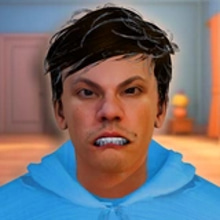
Escape from Blogger starts with a bad decision and then somehow keeps making things worse. You sneak into a famous blogger’s house hoping to uncover secrets, maybe grab some answers, maybe confirm a few suspicions, and instead the place swallows you whole. Doors slam shut. The mood changes instantly. And now the goal is no longer curiosity. It is survival. That is a very strong setup for a horror game because it turns the player from an investigator into prey almost immediately.
What makes the concept work so well is the way it mixes stealth, puzzles, and chase tension inside one enclosed space. The house is not just a backdrop for jump scares. It is the actual machine trying to break your confidence. Every room becomes a small problem to solve. Every locked door suggests another secret. Every sound feels dangerous because the Blogger is listening, patrolling, and very ready to ruin your plans if you get careless. This kind of structure is exactly what makes horror escape games so addictive. You are always one key, one clue, or one quiet little mistake away from changing the whole run.
And that is the trick. Escape from Blogger is not simply a survival game. It is a survival game where knowledge, movement, and nerves all matter at once.
🕶️ 𝗦𝗧𝗘𝗔𝗟𝗧𝗛 𝗜𝗦 𝗡𝗢𝗧 𝗢𝗣𝗧𝗜𝗢𝗡𝗔𝗟, 𝗜𝗧 𝗜𝗦 𝗧𝗛𝗘 𝗪𝗛𝗢𝗟𝗘 𝗦𝗧𝗥𝗔𝗧𝗘𝗚𝗬
The strongest thing about Escape from Blogger is that it understands stealth correctly. It is not just a feature. It is the spine of the whole game. The Blogger hears everything. That one detail changes the entire mood. Now movement is never neutral. A simple step is a decision. Every open space becomes risky. Every shortcut can become a trap if you move too quickly or make noise at the wrong time.
That is what gives the game its pressure. You are not blasting your way out. You are sneaking, crouching, watching, and trying to stay one step ahead of someone who knows the house much better than you do. That is a very satisfying kind of horror because it rewards patience instead of panic. When a player survives here, it feels deserved. They earned it by staying quiet and thinking ahead.
And of course, stealth always feels more intense when the enemy is close enough to hear your mistakes. That makes every room carry more weight.
🧩 𝗧𝗛𝗘 𝗛𝗢𝗨𝗦𝗘 𝗜𝗦 𝗙𝗨𝗟𝗟 𝗢𝗙 𝗣𝗨𝗭𝗭𝗟𝗘𝗦, 𝗕𝗨𝗧 𝗧𝗛𝗘 𝗥𝗘𝗔𝗟 𝗣𝗨𝗭𝗭𝗟𝗘 𝗜𝗦 𝗛𝗢𝗪 𝗧𝗢 𝗦𝗧𝗔𝗬 𝗔𝗟𝗜𝗩𝗘
Escape from Blogger sounds much stronger than a plain chase game because it gives every room a purpose. Locked doors, hidden passages, secret stashes, and logic puzzles make the house feel layered instead of empty. You are not only hiding. You are actually progressing. Searching. Figuring things out. That matters a lot, because horror becomes more gripping when the player has something meaningful to do besides run.
This also creates a really nice balance between fear and curiosity. A dark hallway is scary, yes, but if that hallway might contain the key item you need, suddenly fear is not enough to keep you away. You have to go. That push-and-pull is where the best horror puzzle games live. The player wants to stay safe, but the game keeps asking them to risk the next room anyway.
And because each room is described as its own quest-like challenge, the house probably feels more memorable than a generic maze. Each section can have its own little identity, its own problem, its own reason to make the player uncomfortable.
🏃 𝗦𝗨𝗗𝗗𝗘𝗡 𝗖𝗛𝗔𝗦𝗘𝗦 𝗔𝗥𝗘 𝗪𝗛𝗔𝗧 𝗠𝗔𝗞𝗘 𝗖𝗔𝗟𝗠 𝗘𝗫𝗣𝗟𝗢𝗥𝗔𝗧𝗜𝗢𝗡 𝗦𝗢 𝗨𝗡𝗧𝗥𝗨𝗦𝗧𝗪𝗢𝗥𝗧𝗛𝗬
One of the smartest parts of the concept is that quiet exploration can suddenly break into a chase without warning. That is huge. It means the player never gets to fully relax. Even when the house seems calm, the game is quietly telling you not to trust that feeling. A horror game becomes much stronger once safety stops feeling permanent, and Escape from Blogger clearly leans into that.
This is also what gives stealth its real bite. If discovery only meant “start over,” the tension would be flatter. But if discovery becomes an active chase, then every mistake has a pulse. Suddenly the house feels smaller, louder, and much more hostile. You stop thinking like a puzzle solver and start thinking like prey again.
That shift in tempo is extremely effective. Calm creates focus. Chases create panic. Switching between them keeps the game alive and unpredictable.
😂 𝗧𝗛𝗘 𝗛𝗨𝗠𝗢𝗥 𝗠𝗔𝗞𝗘𝗦 𝗧𝗛𝗘 𝗛𝗢𝗥𝗥𝗢𝗥 𝗪𝗘𝗜𝗥𝗗𝗘𝗥, 𝗡𝗢𝗧 𝗦𝗢𝗙𝗧𝗘𝗥
The mention of humor and satire is a very good sign. Horror games with a little absurdity often become more memorable because the player never knows whether the next moment should make them laugh or panic. Escape from Blogger sounds like it uses that uneasy combination well. The premise itself already has a strange flavor: a famous blogger’s house as a stealth-horror trapbox is funny in theory and unsettling in practice.
That kind of tonal mix can work beautifully if handled well. It does not weaken the fear. It makes it weirder. A game that can make the player smirk and then immediately regret being relaxed has a big advantage. The house feels less predictable. The atmosphere feels less clean. That gives the whole experience more personality than a straight-faced horror game with no edge to it.
🏠 𝗧𝗛𝗘 𝗛𝗢𝗨𝗦𝗘 𝗜𝗦 𝗣𝗥𝗢𝗕𝗔𝗕𝗟𝗬 𝗧𝗛𝗘 𝗥𝗘𝗔𝗟 𝗩𝗜𝗟𝗟𝗔𝗜𝗡
A good horror escape game always treats the house like more than scenery, and Escape from Blogger sounds like it does exactly that. Hidden passages, secret stashes, traps, and room-specific challenges turn the building into an active threat. It is not just where the horror happens. It is part of the horror. Every door becomes suspicious. Every room might contain the answer or the next disaster.
That is important because the environment is what keeps escape horror compelling over time. The player is not just waiting to be chased. They are learning the house, reading its tricks, and trying to survive inside a space that clearly does not want them to leave.
🎮 𝗪𝗛𝗬 𝗘𝗦𝗖𝗔𝗣𝗘 𝗙𝗥𝗢𝗠 𝗕𝗟𝗢𝗚𝗚𝗘𝗥 𝗙𝗜𝗧𝗦 𝗞𝗜𝗭𝟭𝟬 𝗦𝗢 𝗪𝗘𝗟𝗟
Escape from Blogger fits Kiz10 very naturally because it combines several things that already work well in browser horror: stealth, haunted-house escape design, key-and-door progression, sudden chase sequences, and short-session tension. It is easy to understand immediately, but layered enough that each run can feel different, especially with the note that sessions are unique and progress does not carry over after exit. That structure gives the game replay value and keeps the house from feeling solved too quickly.
If you enjoy horror escape games, stealth survival, puzzle-heavy mansion runs, and browser games where one wrong sound can destroy a perfect attempt, this one has a lot going for it. It feels tense, strange, and just funny enough to make the fear hit even harder.





 2.5 (151 votes)
 Share
Share
 Embed
Embed