𝗧𝗵𝗲 𝗵𝗼𝘀𝗽𝗶𝘁𝗮𝗹 𝗶𝘀 𝗻𝗼𝘁 𝗵𝗲𝗿𝗲 𝘁𝗼 𝗵𝗲𝗹𝗽 𝘆𝗼𝘂. 𝗜𝘁 𝗶𝘀 𝗵𝗲𝗿𝗲 𝘁𝗼 𝘀𝗲𝗲 𝗶𝗳 𝘆𝗼𝘂 𝗰𝗮𝗻 𝗴𝗲𝘁 𝗼𝘂𝘁 𝗮𝗹𝗶𝘃𝗲 🏥💥
Escape from the Hospital - Shooter takes a setting that should feel safe, bright corridors, treatment rooms, medical staff, and twists it into something cold, tense, and dangerous. This is not a place where you stop to recover. It is a place where every corner feels suspicious, every locked door becomes a problem, and every second you spend hesitating gives the building more time to ruin your plans. The hospital turns into a trap, and you are stuck in the middle of it with one job: survive long enough to escape.
That is what gives the game its energy. It is a first-person shooter, yes, but it does not feel like a simple run-and-gun ride where you charge through rooms on pure firepower alone. There is more pressure here than that. You need weapons, keys, timing, and nerves. You need to move quickly, react fast, and stay alert because the game keeps reminding you that danger in a place like this is rarely far away. A hallway may look empty for one second, then suddenly become the worst possible place to be standing.
On Kiz10, Escape from the Hospital - Shooter feels like a strong choice for players who enjoy tense FPS action, horror-flavored environments, escape scenarios, and shooters that mix combat with exploration and survival pressure. It has enough action to keep your hands busy and enough atmosphere to keep your brain uncomfortable.
𝗧𝗵𝗲 𝗵𝗼𝘀𝗽𝗶𝘁𝗮𝗹 𝗶𝘀 𝗮 𝗺𝗮𝘇𝗲 𝗶𝗻 𝗮 𝘄𝗵𝗶𝘁𝗲 𝗰𝗼𝗮𝘁 🧠🚪
One of the best things about Escape from the Hospital - Shooter is the way it makes the environment matter. This is not just a series of rooms where enemies appear because the game says it is time for a fight. The hospital itself feels like part of the challenge. Locked doors slow you down. Corridors create tension. Hidden routes and access points make exploration feel necessary rather than optional. You are not simply clearing enemies from space. You are trying to navigate through a place that seems built to delay, confuse, and corner you.
That makes progress feel more satisfying. Finding a key is not just a boring fetch step. It is the difference between staying trapped and opening the next route. Hacking a door is not just a mechanic. It is a moment of vulnerability, because while you focus on access, the game is quietly asking whether something is already moving toward you. Those little interactions give the shooter side more texture. You are not only fighting. You are surviving through movement and problem-solving.
That blend helps the pacing a lot. Shootouts hit harder when they happen inside a place that already feels oppressive. The hospital works because it is more than scenery. It is the pressure.
𝗚𝘂𝗻𝘀 𝗺𝗮𝘁𝘁𝗲𝗿, 𝗯𝘂𝘁 𝘀𝗼 𝗱𝗼𝗲𝘀 𝗵𝗼𝘄 𝗳𝗮𝘀𝘁 𝘆𝗼𝘂 𝘁𝗵𝗶𝗻𝗸 🔫⚡
Escape from the Hospital - Shooter clearly wants the gunplay to feel immediate. You move with WASD, shoot with the mouse, reload with R, interact with E or F, throw grenades with G, crouch with C, and jump with Space. That control setup gives the game exactly what it needs: speed. When danger appears, the player has enough tools to react instantly, which is crucial in a shooter built around fast ambushes and narrow survival windows.
The combat becomes more interesting because the environment is so tight. Long-distance clean fights are not really the point here. Pressure is. Quick encounters in bad spaces. Sudden threats around corners. The feeling that a clean shot matters because you may not get many easy ones. That is where the realism in the shooting helps. A tense setting needs weapons that feel sharp and responsive, not floaty or decorative.
Reloading becomes part of the suspense too. In a calmer shooter, reloading is just maintenance. In a place like this, it is vulnerability. It is that ugly moment where you know you need to do it, but you also know the timing could not possibly be worse.
𝗧𝗵𝗲 𝗺𝗲𝗱𝗶𝗰 𝗲𝗻𝗲𝗺𝗶𝗲𝘀 𝗺𝗮𝗸𝗲 𝘁𝗵𝗲 𝘄𝗵𝗼𝗹𝗲 𝗽𝗹𝗮𝗰𝗲 𝗳𝗲𝗲𝗹 𝘄𝗿𝗼𝗻𝗴 🩺😨
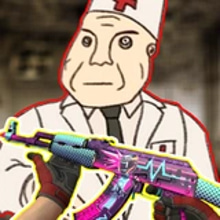
A hospital is already an unsettling place to turn into a shooter map, but enemy medics make it even more memorable. There is something deeply uncomfortable about being hunted through sterile corridors by figures that should represent care and control. That contrast gives the game a strong mood. It makes each encounter feel more specific than a generic armed enemy in a random building.
It also helps the atmosphere feel coherent. The enemies do not seem dropped in from a different game. They belong to the environment in a way that makes the whole space feel corrupted. That is important in an escape shooter. The best tense settings are the ones where the world itself feels wrong, not just dangerous.
So even when the action gets loud, the mood stays intact. You are not blasting your way through some anonymous facility. You are fighting through a place that feels like it has already gone bad in ways you do not fully trust.
𝗞𝗲𝘆𝘀, 𝗱𝗼𝗼𝗿𝘀, 𝗮𝗻𝗱 𝗽𝗿𝗼𝗴𝗿𝗲𝘀𝘀 𝗸𝗲𝗲𝗽 𝘁𝗵𝗲 𝘀𝗵𝗼𝗼𝘁𝗲𝗿 𝗳𝗿𝗼𝗺 𝗳𝗲𝗲𝗹𝗶𝗻𝗴 𝗳𝗹𝗮𝘁 🔐🧩
A very smart part of Escape from the Hospital - Shooter is that it does not only rely on shooting to create momentum. You also need to search, unlock, and interact. That gives the whole game a stronger escape-room flavor without turning it into a full puzzle game. Just enough friction. Just enough structure. Just enough reason to stop and think before sprinting to the next gunfight.
This is important because it gives the experience layers. A pure corridor shooter can be fun, but if every room only asks for more bullets, the tension starts flattening out. Here, the game adds tasks. Objectives. Small interruptions that force the player to stay mentally involved. That keeps the escape fantasy stronger. You are not only surviving combat. You are trying to get out.
And that changes the emotional rhythm in a good way. One moment you are focused on a fight. The next you are scanning for a key or handling a locked door while wondering whether the building is about to punish your distraction. That stop-start tension is great for this type of game.
𝗖𝗿𝗼𝘂𝗰𝗵𝗶𝗻𝗴, 𝗴𝗿𝗲𝗻𝗮𝗱𝗲𝘀, 𝗮𝗻𝗱 𝗺𝗼𝘃𝗲𝗺𝗲𝗻𝘁 𝗴𝗶𝘃𝗲 𝘆𝗼𝘂 𝗷𝘂𝘀𝘁 𝗲𝗻𝗼𝘂𝗴𝗵 𝘀𝗽𝗮𝗰𝗲 𝘁𝗼 𝗯𝗲 𝘀𝗺𝗮𝗿𝘁 💣🏃
The game also gets extra life from letting the player do more than aim and fire. Crouching matters. Grenades matter. Movement choices matter. These tools turn panic into decisions. Should you stay low and approach carefully? Force a route open with explosives? Rush a tight section and trust your aim? Those are the small choices that help each encounter feel more dynamic.
This matters even more on mobile, where the game keeps a full set of touch controls for movement, aiming, reloading, weapon switching, jumping, crouching, and grenade throws. That suggests the game wants the same intensity across platforms, which suits the whole design. Escape from the Hospital - Shooter is built around immediate pressure, so giving the player direct access to all the important actions is exactly the right call.
𝗧𝗵𝗲 𝗯𝗲𝘀𝘁 𝗲𝘀𝗰𝗮𝗽𝗲 𝘀𝗵𝗼𝗼𝘁𝗲𝗿𝘀 𝗮𝗹𝘄𝗮𝘆𝘀 𝗺𝗮𝗸𝗲 𝘆𝗼𝘂 𝗳𝗲𝗲𝗹 𝗹𝗶𝗸𝗲 𝘆𝗼𝘂 𝗮𝗹𝗺𝗼𝘀𝘁 𝗹𝗼𝘀𝘁 𝗰𝗼𝗻𝘁𝗿𝗼𝗹 🤯🏥
The reason this kind of game sticks is that it creates the illusion of barely held control. You have weapons. You have movement. You have objectives. But the environment keeps challenging that control. A sudden medic. A narrow hallway. A door that takes too long to access. A reload at the wrong moment. A corner that looked safe until it was not. All of those things keep the escape tense without needing endless complexity.
That is the sweet spot. Enough control to let skill matter. Enough danger to keep skill from feeling comfortable. Escape from the Hospital - Shooter seems to understand that balance really well.
𝗙𝗶𝗻𝗮𝗹 𝘃𝗲𝗿𝗱𝗶𝗰𝘁: 𝗮 𝗱𝗮𝗿𝗸, 𝘁𝗶𝗴𝗵𝘁, 𝗮𝗻𝗱 𝘀𝗮𝘁𝗶𝘀𝗳𝘆𝗶𝗻𝗴 𝗲𝘀𝗰𝗮𝗽𝗲 𝗙𝗣𝗦 🏆🚪
Escape from the Hospital - Shooter works because it knows how to turn a familiar setting into a strong first-person survival challenge. The shooting feels immediate, the hospital environment creates constant tension, the key-and-door progression gives the action more structure, and the enemy design helps the whole thing stay memorable. On Kiz10, it is a great choice for players who want a shooter with atmosphere, fast reactions, and a real sense of pressure in every corridor.
If you like FPS games that mix escape mechanics, tight spaces, and sudden danger, this one has a lot going for it. Stay moving, reload on time, and never trust an empty hallway more than necessary.








 Share
Share
 Embed
Embed


