𝗧𝗛𝗘 𝗙𝗜𝗥𝗦𝗧 𝗘𝗚𝗚 𝗜𝗦 𝗔 𝗪𝗔𝗥𝗡𝗜𝗡𝗚 🥚
Obby: Brainrot RPG Slasher & Loot Adventure starts with a strange promise: fight through an open world, cut down enemies, grab Brainrot eggs, and turn those eggs into pets that make coins for you. It sounds like three different games had a meeting in a cave and somehow agreed. A little RPG, a little slasher, a little pet collector, a little idle tycoon. The result is weird, busy, and honestly very easy to keep playing because every action feeds another system.
You are not only swinging a weapon for fun. Every enemy can become progress. Maybe you get loot. Maybe you find an egg. Maybe that egg hatches into something common and useful, or maybe it gives you a rarer pet that makes your whole coin income feel stronger. Then those coins help with upgrades, and those upgrades let you survive in harder places. The loop is simple once you feel it: fight, collect, hatch, earn, improve, move deeper.
On Kiz10.com, this game works because it gives you something active to do while still rewarding patience. You can run through biomes and fight monsters, but your Brainrot pets are also working in the background, producing coins every second. That means your adventure keeps building momentum even when you are not constantly swinging at enemies. It feels like your own small army of absurd creatures is quietly paying the bills while you handle the dangerous part.
𝗦𝗟𝗔𝗦𝗛𝗜𝗡𝗚 𝗜𝗦 𝗧𝗛𝗘 𝗦𝗛𝗢𝗥𝗧𝗖𝗨𝗧 𝗧𝗢 𝗘𝗩𝗘𝗥𝗬𝗧𝗛𝗜𝗡𝗚 ⚔️
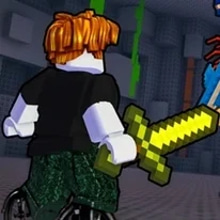
Combat is the first thing that gives the game its pace. You explore, find enemies, attack, collect drops, and keep pushing forward. It is not a slow menu game where progress hides behind buttons. You have to move through the world and earn your loot. The stronger the enemies become, the more important your weapon, armor, and stats feel.
At the beginning, weaker monsters help you understand the rhythm. You attack, collect rewards, and learn how quickly your hero can handle each fight. Then the game starts pulling you toward tougher biomes, and suddenly the same casual approach does not feel safe anymore. If an enemy takes too long to defeat, your damage needs work. If your health drops too fast, your armor or stats are probably behind. The game explains your weaknesses through combat, which is much clearer than a tutorial shouting numbers at you.
That makes upgrades feel useful. A new weapon is not just a shiny object. It changes how fast you clear enemies. Better armor is not just decoration. It lets you stay in dangerous zones longer. Leveling up is not just progress for progress’s sake. It is the difference between farming easy areas forever and finally stepping into a biome that looked impossible earlier.
𝗘𝗚𝗚𝗦 𝗔𝗥𝗘 𝗧𝗛𝗘 𝗥𝗘𝗔𝗟 𝗧𝗥𝗘𝗔𝗦𝗨𝗥𝗘, 𝗡𝗢 𝗠𝗔𝗧𝗧𝗘𝗥 𝗛𝗢𝗪 𝗥𝗜𝗗𝗜𝗖𝗨𝗟𝗢𝗨𝗦 𝗧𝗛𝗔𝗧 𝗦𝗢𝗨𝗡𝗗𝗦 🧠
The Brainrot eggs are the thing that gives the adventure its hook. You collect them through battle and exploration, then place them in holders so they can hatch into pets. That waiting period is small but powerful. You keep wondering what will come out. A basic creature? Something rare? A pet that changes your income enough to make the next upgrade arrive faster? The egg just sits there, looking innocent, while your brain starts making plans.
This is why the game can become addictive without feeling complicated. Every egg has potential. Even common pets help your income, especially early on. Rare pets are the dream because they can produce more coins and speed up your whole progression. Legendary pets become milestones, the kind of reward that makes you stare at the screen for a second like the game finally decided to respect your effort.
The best part is that eggs connect directly to the rest of the adventure. You do not hatch pets just to fill a collection page. Those pets matter. They generate coins. Coins buy upgrades. Upgrades help you fight better enemies. Better enemies can lead to better eggs. The whole system loops around itself in a way that feels clean and satisfying.
𝗣𝗘𝗧𝗦 𝗗𝗢 𝗡𝗢𝗧 𝗡𝗔𝗣, 𝗪𝗛𝗜𝗖𝗛 𝗜𝗦 𝗚𝗥𝗘𝗔𝗧 𝗙𝗢𝗥 𝗕𝗨𝗦𝗜𝗡𝗘𝗦𝗦 💰
Brainrot pets generate coins every second, and that changes the way you think about progress. In many RPG games, if you are not fighting, nothing is happening. Here, your pets keep working in the background. Even when you are focusing on enemies, exploring a biome, or waiting for another hatch, your coin income is still moving.
That passive income makes the game feel generous without removing the need to play. You still need to fight. You still need to collect eggs. You still need to upgrade gear and make decisions. But the pets give your progress a second engine. One engine is your hero’s action. The other is your pet collection quietly stacking coins.
Offline income adds another nice layer. Coming back to collect earnings feels good because the game rewards your collection even after you step away. It makes rare pets even more valuable. A better pet does not only help for a few seconds. It keeps paying over time. That is why chasing rarities matters so much. A legendary Brainrot can change the pace of your upgrades and make the next stage of the adventure feel closer.
𝗕𝗜𝗢𝗠𝗘𝗦 𝗔𝗥𝗘 𝗟𝗜𝗞𝗘 𝗗𝗢𝗢𝗥𝗦, 𝗔𝗡𝗗 𝗦𝗢𝗠𝗘 𝗢𝗙 𝗧𝗛𝗘𝗠 𝗞𝗜𝗖𝗞 𝗕𝗔𝗖𝗞 🌍
The open world is divided into different terrains and biomes, each one pushing the adventure forward. A new biome is not just a change of scenery. It usually means stronger enemies, better rewards, and a clearer test of whether your hero is ready. Walking into a harder area too early can feel like entering a room where everyone already knows you are undergeared.
That is part of the fun. You start in manageable places, build strength, collect pets, upgrade your equipment, and slowly earn the right to explore farther. Each biome becomes a checkpoint for your progress. If you can clear enemies there without struggling, you are growing well. If every fight feels like a brick wall with teeth, it is time to return, hatch better pets, upgrade gear, or level up more.
Hidden secrets also make exploration worth it. Instead of standing in one spot forever, you have reasons to move around and look for opportunities. Better loot may be waiting in a tougher zone. A valuable egg might be tied to enemies you could not defeat earlier. That makes the world feel like something you unlock piece by piece.
𝗥𝗘𝗕𝗜𝗥𝗧𝗛 𝗜𝗦 𝗙𝗢𝗥 𝗣𝗟𝗔𝗬𝗘𝗥𝗦 𝗪𝗛𝗢 𝗟𝗜𝗞𝗘 𝗣𝗔𝗜𝗡 𝗪𝗜𝗧𝗛 𝗕𝗘𝗡𝗘𝗙𝗜𝗧𝗦 🔁
The rebirth system gives the game a longer tail. At first, resetting progress can sound awful. You worked for that strength. You earned those upgrades. Why would you start over? Then the permanent bonuses enter the conversation, and suddenly rebirth starts looking less like a loss and more like a smart investment.
A good rebirth makes the next run stronger. You return with advantages that help you move faster, fight better, or grow beyond your old limit. Early zones become easier. Old problems shrink. The climb back up feels quicker because you are no longer the same weak hero who started the first time. You are restarting with hidden weight behind every step.
The best moment to rebirth is usually when progress slows down. If upgrades feel too expensive, enemies feel too tough, or the next biome feels far away, rebirth can break the wall. It is not something to use randomly. It is a tool for pushing your ceiling higher. The game becomes a cycle: grow, slow down, rebirth, return stronger, reach farther.
𝗗𝗢 𝗡𝗢𝗧 𝗛𝗔𝗧𝗖𝗛 𝗟𝗜𝗞𝗘 𝗔 𝗧𝗢𝗨𝗥𝗜𝗦𝗧 🧩
A strong strategy starts with keeping your egg holders busy. Empty holders do nothing. If you have eggs waiting, place them and let the timer work while you continue fighting. That way your combat and hatching progress move together instead of one waiting for the other.
Replace weak pets when better ones hatch. It can be tempting to keep every creature emotionally, especially when they look absurd, but income matters. Rarer pets usually help your coin flow more, and coin flow affects everything else. Stronger income means faster upgrades, stronger gear, and more access to difficult biomes.
Do not ignore gear. Pets are important, but your hero still has to survive the fights. If enemies take too long to defeat, upgrade your weapon. If you keep getting destroyed, improve armor or stats. The game works best when both sides grow together: active combat power and passive pet income.
Also, be patient with rare eggs. A legendary pet can be worth far more than several quick common rewards. If a hatch takes time, use that window to farm, explore, or prepare for the next upgrade. Waiting is easier when your hero is still busy making progress.
𝗧𝗛𝗘 𝗣𝗘𝗧 𝗔𝗥𝗠𝗬 𝗜𝗦 𝗧𝗛𝗘 𝗥𝗘𝗔𝗟 𝗘𝗡𝗗𝗚𝗔𝗠𝗘 🐾
The deeper you go, the more your collection starts to feel like the center of the adventure. At first, pets are helpful. Later, they become essential. Your coin income depends on them. Your upgrade speed depends on them. Your ability to reach stronger content depends, indirectly, on how good your hatched team becomes.
That gives the game a nice collector’s pressure. You are always looking for better eggs and rarer creatures. Every hatch could be ordinary, but it could also be the one that changes your whole setup. That chance keeps the loop alive. Fight for eggs. Hatch pets. Check income. Upgrade. Fight harder enemies. Get better eggs. It repeats, but each loop can move you forward.
Obby: Brainrot RPG Slasher & Loot Adventure works because it understands that players like action, but they also like growth. It gives you both. The slashing keeps your hands active. The pets keep your coins moving. The rebirth system keeps the long-term chase alive. The biomes give you places to prove the progress is real.
On Kiz10.com, this is a colorful, weird, and rewarding RPG adventure for players who enjoy fighting enemies, collecting pets, hatching eggs, upgrading gear, and building passive income. The loot may be strange, but the loop is strong. Keep your holders full, your weapon sharp, your pets working, and your eyes on the next rare egg.








 Share
Share
 Embed
Embed


