☁️ 𝗨𝗣 𝗜𝗦 𝗧𝗛𝗘 𝗢𝗡𝗟𝗬 𝗗𝗜𝗥𝗘𝗖𝗧𝗜𝗢𝗡, 𝗔𝗡𝗗 𝗜𝗧 𝗜𝗦 𝗡𝗢𝗧 𝗔 𝗞𝗜𝗡𝗗 𝗢𝗡𝗘
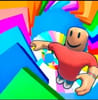
Parkour Obby: Only Up is the kind of game that takes a very simple promise and turns it into a personal challenge. Climb. Jump. Don’t fall. That is it. That is the whole deal. No dramatic story trying to distract you. No fake comfort. Just a vertical obstacle course rising into the sky and the constant threat that one bad jump will erase a chunk of your progress and leave you staring at the screen in offended silence.
That clean brutality is exactly why the game works. It understands that parkour games do not need a hundred systems piled on top of them when the core idea is strong enough. Give players floating platforms, narrow beams, moving traps, awkward jumps, and a giant sense of height, and the tension creates itself. You are always climbing toward something. Usually glory. Occasionally embarrassment. Sometimes both at once.
On Kiz10, Parkour Obby: Only Up fits perfectly as a skill-based platform game for players who enjoy precision movement, repeated attempts, and that dangerous little voice in the back of the brain that says, “This next jump will definitely be fine.” That voice is often wrong. The game knows it. You know it. And yet you jump anyway.
🧗 𝗧𝗛𝗘 𝗖𝗟𝗜𝗠𝗕 𝗜𝗦 𝗧𝗛𝗘 𝗪𝗛𝗢𝗟𝗘 𝗣𝗢𝗜𝗡𝗧
Some obstacle games are about reaching a finish line quickly. Others are about clearing short stages one by one. Parkour Obby: Only Up feels different because its whole identity is built around vertical progress. You are not simply moving forward. You are going upward, section by section, platform by platform, trying to earn altitude without letting panic ruin your timing.
That upward structure changes the emotional feel of every jump. Height matters. Falling matters more. A normal parkour level can punish mistakes with a short reset. Here, every climb creates investment. The higher you go, the more each risky movement starts to feel important. A simple jump across two floating blocks should not feel dramatic, and yet somehow it absolutely does when the space below looks endless and your last checkpoint is not as close as you would like.
This is one of the reasons “only up” style games are so addictive. Progress is visible. Tangible. You can literally see how far you have come, which makes the fear of losing that progress much more powerful. The game turns height into pressure, and pressure into focus.
💎 𝗗𝗜𝗔𝗠𝗢𝗡𝗗𝗦 𝗔𝗥𝗘 𝗥𝗘𝗪𝗔𝗥𝗗𝗦, 𝗕𝗨𝗧 𝗔𝗟𝗦𝗢 𝗧𝗘𝗠𝗣𝗧𝗔𝗧𝗜𝗢𝗡
The diamond system is a smart addition because it gives each run a second layer of decision-making. Climbing safely is one thing. Climbing while also trying to collect diamonds from risky corners is another. Suddenly every route has a question built into it. Do you take the clean path and protect your progress, or do you stretch toward a harder platform because there is currency waiting there and your greed is louder than your fear today?
That tension works really well in a parkour game. Diamonds are not just collectibles. They are bait. The game uses them to lure players toward riskier jumps, tighter edges, and more dangerous sections, and honestly that is part of the fun. A safe run feels good. A stylish run that also grabs rewards feels even better.
And because diamonds feed into the skin system, they give every attempt value even when you do not finish a map. You may fall. You may fail. You may spend a few seconds questioning your own depth perception. But you still gathered something useful along the way. That kind of progress helps keep the retry loop healthy.
🎮 𝗣𝗥𝗘𝗖𝗜𝗦𝗜𝗢𝗡 𝗕𝗘𝗔𝗧𝗦 𝗣𝗔𝗡𝗜𝗖, 𝗔𝗟𝗧𝗛𝗢𝗨𝗚𝗛 𝗣𝗔𝗡𝗜𝗖 𝗪𝗜𝗟𝗟 𝗢𝗙𝗧𝗘𝗡 𝗔𝗣𝗣𝗘𝗔𝗥 𝗔𝗡𝗬𝗪𝗔𝗬
Movement in Parkour Obby: Only Up is simple enough to understand quickly. WASD for motion, mouse for camera, space to jump. On mobile, you get the expected touch controls for movement, camera, and jumping. None of that is complicated. The challenge does not come from learning buttons. It comes from using those controls with discipline while the map keeps asking for cleaner execution than your nerves may be ready to provide.
This is what makes the game satisfying for parkour fans. Good movement feels earned. A clean jump onto a thin platform feels better than it should. A careful camera adjustment before a difficult section suddenly feels like tactical wisdom instead of just looking around. You begin to realize that speed is not the hero here. Rhythm is. Calm is. Reading the pattern before you commit is often more important than raw confidence.
That said, raw confidence still shows up all the time, and it usually leads to some very educational falls.
🌀 𝗧𝗛𝗘 𝗠𝗔𝗣𝗦 𝗞𝗘𝗘𝗣 𝗚𝗥𝗢𝗪𝗜𝗡𝗚, 𝗔𝗡𝗗 𝗦𝗢 𝗗𝗢𝗘𝗦 𝗧𝗛𝗘 𝗘𝗚𝗢
Another strong part of the game is the sense of escalating difficulty. Early areas let you settle into the basic logic of the climb. You learn spacing, momentum, camera control, and how much trust to place in your own jumping instincts. Then the maps start asking more from you. Moving platforms appear. Narrower routes appear. Timing matters more. And the game slowly stops pretending it is interested in your comfort.
That kind of progression is important in an obby. The best obstacle games do not simply become harder by making everything smaller. They become harder by layering demands. In Parkour Obby: Only Up, later sections seem to push the player into a more deliberate style of movement. You cannot just react. You have to study. Watch the moving piece. Read the trap. Understand the angle before you leap.
This makes success feel much more satisfying. Reaching the top of a large map does not feel like luck. It feels like something you had to earn through repeated attempts, sharper focus, and the gradual destruction of your overconfidence.
👕 𝗦𝗞𝗜𝗡𝗦 𝗚𝗜𝗩𝗘 𝗧𝗛𝗘 𝗚𝗥𝗜𝗡𝗗 𝗦𝗢𝗠𝗘 𝗦𝗧𝗬𝗟𝗘
Skins are a small detail, but they matter more than people admit. Parkour games are often about repeating the same challenge until your skill catches up with your ambition. Cosmetic unlocks help make that repetition more fun. They give players something to chase besides raw completion. A new look. A new visual reward. A small badge of time spent suffering productively.
Because skins are unlocked through diamonds rather than anything pay-to-win, they fit the tone of the game nicely. Progress stays tied to play. The climb remains the main event, but now the climb also feeds your customization. That makes the loop a little stickier. One more run is no longer only about getting higher. It is also about collecting just enough to unlock something new.
🏁 𝗪𝗛𝗬 𝗣𝗔𝗥𝗞𝗢𝗨𝗥 𝗢𝗕𝗕𝗬: 𝗢𝗡𝗟𝗬 𝗨𝗣 𝗜𝗦 𝗦𝗢 𝗘𝗔𝗦𝗬 𝗧𝗢 𝗥𝗘𝗦𝗣𝗘𝗖𝗧
Parkour Obby: Only Up succeeds because it understands what parkour players actually want: clean movement, meaningful risk, visible progress, and maps that look possible right up until they are not. It is a game about precision, patience, and accepting that falling is part of learning, even when learning feels extremely rude.
On Kiz10, it is an easy recommendation for players who enjoy obby games, vertical parkour, sky platformers, and skill-based climbing challenges where each section feels like a small personal test. It has the right mix of frustration and reward, which is really the secret recipe for this whole genre.
So line up the camera, take a breath, and jump like you mean it. The top is up there somewhere. The only question is how many times the map gets to humble you before you reach it. ☁️





 2.5 (182 votes)
 Share
Share
 Embed
Embed