🧠 𝗬𝗢𝗨 𝗔𝗥𝗘 𝗡𝗢𝗧 𝗝𝗨𝗦𝗧 𝗝𝗨𝗠𝗣𝗜𝗡𝗚, 𝗬𝗢𝗨 𝗔𝗥𝗘 𝗖𝗛𝗔𝗦𝗜𝗡𝗚 𝗣𝗥𝗢𝗚𝗥𝗘𝗦𝗦 𝗜𝗡 𝗠𝗜𝗗-𝗔𝗜𝗥
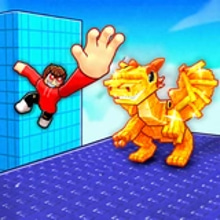
Parkour For Brainrots! is the kind of game that understands one very important truth: rooftops are always more exciting when they are slightly too far apart. From the first jump, it throws you into a sky-high obby challenge where momentum matters, gravity feels rude, and every good landing buys you just enough confidence to attempt something even more reckless a few seconds later. That is the mood here. Fast movement, dangerous gaps, and the constant temptation to go one platform farther because there might be a better Brainrot waiting there.
This is not a calm little climbing simulator. It is a parkour game with purpose. You are not simply hopping around for the joy of movement, even though the movement is clearly the star. You are collecting Brainrots, carrying them back to your Base, earning points, and using that progress to make yourself faster and stronger. That gives the whole experience much more bite than a simple jump course. Every run feeds the next one. Every risk has value. Every mistake feels expensive enough to remember.
On Kiz10, Parkour For Brainrots! fits beautifully because it combines three things that players on the site already love: obby movement, collectible progression, and that slightly unhinged Brainrot energy that makes every challenge feel a little less normal and a little more memorable.
🏙️ 𝗥𝗢𝗢𝗙𝗧𝗢𝗣𝗦 𝗔𝗥𝗘 𝗡𝗢𝗧 𝗝𝗨𝗦𝗧 𝗗𝗘𝗖𝗢𝗥𝗔𝗧𝗜𝗢𝗡 𝗛𝗘𝗥𝗘, 𝗧𝗛𝗘𝗬 𝗔𝗥𝗘 𝗧𝗛𝗘 𝗪𝗛𝗢𝗟𝗘 𝗧𝗘𝗦𝗧
A parkour game lives or dies on how it treats height, and this one clearly knows that rooftops are not just a background detail. They are the whole challenge. When you are flying from building to building with empty space below, every jump gains weight. A short gap becomes a question. A long gap becomes an argument between your confidence and your actual skill. The city turns into a giant vertical obstacle course where the ground mostly exists to remind you what happens if you stop paying attention.
That rooftop design gives the game a strong sense of exposure. There is no cozy little safety net here. The sky is wide, the gaps are rude, and the map always seems ready to punish lazy movement. But that is also why the successful jumps feel so good. Landing clean after a risky leap has its own little thrill. You know you earned it. And because the whole world is built around height, that thrill keeps repeating.
This kind of environment also makes exploration more fun. You are not just moving through a flat path with painted obstacles. You are reading space. Looking for routes. Judging distances. Deciding whether that next section is possible now or whether you need stronger stats first. The city becomes a puzzle made out of movement, and that is exactly where the game gets its hold on you.
💰 𝗧𝗛𝗘 𝗕𝗥𝗔𝗜𝗡𝗥𝗢𝗧𝗦 𝗔𝗥𝗘 𝗧𝗛𝗘 𝗥𝗘𝗔𝗦𝗢𝗡 𝗧𝗢 𝗞𝗘𝗘𝗣 𝗚𝗢𝗜𝗡𝗚
A pure parkour game can already be satisfying, but Parkour For Brainrots! becomes more addictive because the movement feeds into a reward loop. You are grabbing Brainrots and bringing them back to your Base for points. That little system changes the whole feeling of the run. You are not only climbing to prove that you can. You are climbing because the route actually matters.
This makes every decision a little more interesting. Do you play safe and return with what you already have, or do you push farther because a better Brainrot might be waiting a few jumps ahead? That greed-versus-safety tension is a great fit for a parkour game. It creates a nice internal argument every time you find something valuable. You always feel like you could go one step farther. Sometimes you are right. Sometimes you fall into the void and learn a very predictable lesson.
The base-return loop is also what makes the progression feel tangible. A successful trip means more than survival. It means progress. That is important in a game like this because it gives failed runs and successful runs very different emotional weight. You are not just restarting for pride. You are restarting because you know the next return could make your character meaningfully stronger.
🚀 𝗦𝗣𝗘𝗘𝗗 𝗔𝗡𝗗 𝗝𝗨𝗠𝗣 𝗕𝗢𝗢𝗦𝗧 𝗠𝗔𝗞𝗘 𝗧𝗛𝗘 𝗠𝗔𝗣 𝗙𝗘𝗘𝗟 𝗔𝗟𝗜𝗩𝗘
One of the smartest parts of Parkour For Brainrots! is how it uses upgrades. A lot of parkour games ask the player to improve only through personal skill. That can work, but adding stat growth changes the whole shape of the challenge. Speed and Jump Boost do not just make you stronger in a vague way. They change what the map means.
At first, certain gaps feel impossible. Certain routes feel absurd. Certain rooftops look like they belong to a future version of you that has much better legs and much worse fear. Then the upgrades start kicking in. Suddenly you move quicker. Jump farther. Reach places that previously looked like decorative lies. The city opens. And once the city opens, your brain starts immediately planning what ridiculous path might be possible next.
That is a very satisfying progression curve because it makes the world evolve with you. A new upgrade is not just a number increase on a menu. It is access. It is potential. It is the difference between a frustrating dead end and a route that now feels just barely possible.
And because both speed and jump matter in slightly different ways, upgrading never feels flat. More speed changes your rhythm. More jump changes your reach. Together they make the movement loop richer, and they keep each return to the rooftops feeling fresh.
☠️ 𝗙𝗔𝗟𝗟𝗜𝗡𝗚 𝗜𝗦 𝗣𝗔𝗥𝗧 𝗢𝗙 𝗧𝗛𝗘 𝗟𝗘𝗦𝗦𝗢𝗡, 𝗕𝗨𝗧 𝗧𝗛𝗔𝗧 𝗗𝗢𝗘𝗦 𝗡𝗢𝗧 𝗠𝗔𝗞𝗘 𝗜𝗧 𝗔𝗡𝗬 𝗟𝗘𝗦𝗦 𝗔𝗡𝗡𝗢𝗬𝗜𝗡𝗚
Like every good obby, Parkour For Brainrots! understands that falling is not a side effect. It is part of the design. You are going to miss jumps. You are going to trust a landing that absolutely did not deserve your trust. You are going to convince yourself a gap is fine, then immediately discover that “fine” was doing too much work in that sentence. Good. That is how games like this teach you.
What makes the falling tolerable is that the game always gives you a reason to come back. The movement is satisfying enough that retrying feels natural, and the upgrade loop makes every attempt feel useful. Even when a run ends badly, your brain usually already has a better plan for the next one. That is a dangerous quality in a platform game. It keeps pulling you back in.
There is also a strange pleasure in the exact moment before a jump. That tiny pause where the camera settles, the distance becomes clear, and your brain quietly makes one last promise to your fingers. Then you either land like a genius or disappear into the sky like an overconfident vegetable. Both outcomes are very much part of the game’s personality.
🎮 𝗧𝗛𝗘 𝗖𝗢𝗡𝗧𝗥𝗢𝗟𝗦 𝗟𝗘𝗧 𝗧𝗛𝗘 𝗠𝗢𝗩𝗘𝗠𝗘𝗡𝗧 𝗗𝗢 𝗧𝗛𝗘 𝗧𝗔𝗟𝗞𝗜𝗡𝗚
The control setup is simple, which is exactly what this kind of game needs. On PC, movement stays on WASD, the camera works through the mouse while holding the right button, and jumping stays on Space. On mobile, the layout keeps the same spirit with a left joystick for movement and screen-based camera rotation on the right. That simplicity matters because a parkour game should never feel like you are fighting the controls instead of the map.
Once that part clicks, the whole game becomes about reading distance and building momentum. There is no clutter getting in the way. The challenge comes from your choices and the environment, not from some awkward control scheme trying to make everything harder for no reason.
🏆 𝗪𝗛𝗬 𝗣𝗔𝗥𝗞𝗢𝗨𝗥 𝗙𝗢𝗥 𝗕𝗥𝗔𝗜𝗡𝗥𝗢𝗧𝗦! 𝗪𝗢𝗥𝗞𝗦
Parkour For Brainrots! succeeds because it knows exactly how to connect skill and progression. The movement is tense enough to feel rewarding. The Brainrot collecting gives the runs purpose. The Base return loop keeps every successful trip meaningful. The upgrades make the world feel larger over time. And the rooftop setting gives the entire experience a nice sense of danger without needing anything overly complicated.
On Kiz10, it is a very easy recommendation for players who enjoy obby games, rooftop parkour, collectible-driven movement, and platformers where every run feels like a mix of greed, ambition, and bad ideas. It is fast, simple, and much more addictive than it first appears.
So jump clean, grab what you can, and do not let the void convince you it is safe to get cocky. In games like this, confidence is useful, but landing is still the part that counts.





 2.5 (183 votes)
 Share
Share
 Embed
Embed