𝗞𝗡𝗢𝗖𝗞 𝗞𝗡𝗢𝗖𝗞 🚪😵
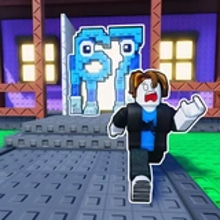
Some games invite you in nicely. This one practically grins at you through a keyhole and says, “Go ahead. Open it. I dare you.” Knock-Knock! Escape from Brainrots Obby +1 Tycoon takes a simple idea and turns it into pure nervous energy. You walk down a street lined with houses, each door looking innocent for about half a second, and then suddenly everything becomes a chase. A bad decision is not just a bad decision here. It is a sprint, a panic turn, a desperate rush toward safety while something furious stomps behind you like rent is due.
That is the charm of this obby tycoon game. It turns curiosity into risk and risk into progress. Open a door, trigger the scene, run for your life, and if you survive, your reward is not just points or coins. No, that would be too polite. You capture the thing that chased you and drag that weird victory back to your base like a trophy from a fever dream. It is ridiculous. It is tense. It is weirdly satisfying.
𝗧𝗛𝗘 𝗦𝗧𝗥𝗘𝗘𝗧 𝗢𝗙 𝗕𝗔𝗗 𝗜𝗗𝗘𝗔𝗦 🏃♂️💨
The main gameplay loop is beautifully dangerous. You move along a neighborhood street full of doors, and each one is basically a gamble wearing house paint. Step close, interact, and the game instantly shifts tone. There is a cutscene, the door swings open, a hostile creature appears, and the whole mood snaps from “let’s explore” to “RUN NOW.” That transition is what gives the game its bite. It is fast, direct, and just dramatic enough to make every attempt feel like a tiny action movie.
You are not fighting with swords. You are not solving puzzles in peace. You are reading distance, timing, and movement. This is an escape game wrapped inside an obby runner, sprinkled with tycoon progression and served with a side of absurd monster collecting. The safe lobby becomes your finish line, your sanctuary, your emotional support rectangle. Reach it in time, and you win the encounter. Fail, and your character gets knocked back like the universe just rejected your plan.
That repeated rhythm is the hook. Door. Reveal. Chase. Escape. Collect. Upgrade. Repeat. Clean. Addictive. A little mean, honestly, but in a fun way 😅
𝗪𝗛𝗘𝗥𝗘 𝗢𝗕𝗕𝗬 𝗠𝗘𝗘𝗧𝗦 𝗧𝗬𝗖𝗢𝗢𝗡 🧠🏠
What makes Knock-Knock! Escape from Brainrots Obby +1 Tycoon more than just a running game is the base management side. Every successful escape gives you something tangible to bring home. Those captured brainrot pursuers are not just decorations. They become part of your growing collection, and that collection feeds the tycoon side of the experience. You are not only surviving chases; you are building a profitable little empire from your victories.
There is something very funny about that. Imagine nearly getting devoured by chaos, reaching safety with one pixel of dignity left, and then calmly organizing your trophy at base like a professional manager. That contrast is exactly why the game works. It keeps the adrenaline high on the street and the progression satisfying back home.
The base gives meaning to the risk. You place what you earn, watch your income improve, and invest in upgrades that help you go farther. The game quietly teaches you that bravery without preparation is just stylish losing. If you rush toward distant doors without boosting your speed, you are basically volunteering to become a cautionary tale.
𝗦𝗣𝗘𝗘𝗗 𝗜𝗦 𝗘𝗩𝗘𝗥𝗬𝗧𝗛𝗜𝗡𝗚 ⚡🚨
This game loves one stat more than anything else: speed. Not flashy speed for showing off. Survival speed. The farther you travel from the starting point, the faster the enemies become, and that changes the tension in a smart way. The road itself becomes a difficulty curve. Houses that look harmless early on become terrifying after you realize how much ground you need to cover before safety.
So upgrading your running speed is not optional in the long term. It is the difference between a confident escape and an embarrassing instant failure. One extra boost can transform a risky run into an efficient farming route. A few more upgrades and suddenly doors that once felt impossible begin to look tempting. Then you get cocky. Then the game humbles you again. Beautiful cycle.
This is where the tycoon system and the obby mechanics truly lock together. Your base supports your movement, and your movement fuels your base. It is a neat little economy of panic. You earn because you survive, and you survive better because you invest what you earned. On Kiz10, that kind of loop works especially well because it is easy to jump in, improve a little, and immediately feel the difference in the next run.
𝗖𝗛𝗢𝗢𝗦𝗜𝗡𝗚 𝗗𝗢𝗢𝗥𝗦 𝗟𝗜𝗞𝗘 𝗔 𝗠𝗔𝗗 𝗚𝗘𝗡𝗜𝗨𝗦 🤔🚪
A surprisingly fun part of the game is route planning. Since not every door is equally safe and not every enemy is equally manageable, you start thinking strategically. Which houses are close enough to farm comfortably? Which ones seem worth the danger? Should you keep grinding nearby doors for stable progress, or push outward and gamble on rarer captures?
That question follows you through the whole experience. And it gives the game replay value, because your decisions shape the pace of progression. There is no single perfect path that always works. Sometimes patience is smarter. Sometimes greed pays off. Sometimes greed slaps you in the face and sends you back to base with nothing but regret and cardio.
The game also benefits from its uncertainty. You never completely relax when opening a door, because the reveal always carries suspense. Even when you are stronger, that tiny moment before the chase still works. It creates tension with almost no wasted time, and that is great design for a browser game. It respects your attention while still keeping you on edge.
𝗧𝗛𝗘 𝗩𝗜𝗕𝗘: 𝗙𝗨𝗡𝗡𝗬, 𝗧𝗘𝗡𝗦𝗘, 𝗔 𝗕𝗜𝗧 𝗨𝗡𝗛𝗜𝗡𝗚𝗘𝗗 🤪🎮
There is a goofy energy to everything here that keeps the pressure from becoming frustrating. The idea of doors hiding bizarre pursuers, then turning those pursuers into collectibles for your base, gives the whole game a playful identity. It does not pretend to be serious. It knows the premise is weird, and that confidence makes it more entertaining.
Visually and mechanically, the style fits the modern obby trend perfectly. Bright spaces, readable movement, fast reactions, and obvious goals. But underneath the silly surface, there is a genuinely satisfying progression structure. That matters. A chaotic concept can attract attention, sure, but a good loop is what keeps you playing after the first laugh.
And yes, there is that classic internal monologue while playing. “This next door is probably fine.” It is not fine. “Okay, I just need one clean run.” You hit the wall. “Maybe I should upgrade first.” Correct. Finally, wisdom arrives, usually ten failures late 😂
𝗪𝗛𝗬 𝗜𝗧 𝗪𝗢𝗥𝗞𝗦 𝗢𝗡 𝗞𝗜𝗭𝟭𝟬 🎯🔥
Knock-Knock! Escape from Brainrots Obby +1 Tycoon fits Kiz10 because it gives players exactly what browser gaming does best: immediate action, simple controls, strong progression, and that magical “one more try” effect. It is easy to understand, but it leaves room for mastery. New players can enjoy the thrill of door-to-door escapes, while more determined players can optimize routes, improve upgrades, and hunt better rewards with much more efficiency.
It also blends several popular styles into one experience without feeling overloaded. It is part obby game, part running game, part escape game, part tycoon game, and somehow the mix holds together. The movement gives urgency. The collection gives reward. The upgrades give direction. The uncertainty gives personality.
If you enjoy games where every choice might explode into chaos, this one absolutely delivers. Open the door. Accept the consequences. Run like your shoes owe you money. Then come back stronger and do it all again on Kiz10. That is the whole magic of it. Silly, stressful, fast, and surprisingly hard to stop playing.







 Share
Share
 Embed
Embed


