𝗧𝗛𝗘 𝗧𝗢𝗪𝗘𝗥 𝗜𝗦 𝗡𝗘𝗩𝗘𝗥 𝗥𝗘𝗔𝗟𝗟𝗬 𝗔𝗕𝗢𝗨𝗧 𝗧𝗛𝗘 𝗧𝗢𝗪𝗘𝗥 🗼
+1 Tower Jump Evolution | Obby Mode is built around one of the most dangerous little gameplay loops on the internet: do a simple action, get slightly stronger, realize that “slightly stronger” opens a new area, then immediately decide that your life now depends on reaching the next one. In this case, the action is jumping, climbing, running, and steadily turning your character into a ridiculous vertical machine. Every leap matters because every leap feeds progress. Every bit of movement helps you gain experience, push your level higher, and slowly earn the kind of jump power that makes early platforms feel tiny in hindsight. The game centers itself around tower climbing, jump growth, rebirth-style progression, and leaderboards, which is exactly why it can get so addictive so quickly.
That is what makes it click so well on Kiz10. It is not only a platform game and not only a simulator. It sits in that nice middle space where movement still matters, but progression keeps changing what movement means. A jump that once felt huge eventually becomes normal. Areas that once looked unreachable start feeling almost easy. Then the game opens something higher, shinier, more absurd, and your brain quietly signs up for another hour of climbing.
𝗘𝗩𝗘𝗥𝗬 𝗝𝗨𝗠𝗣 𝗜𝗦 𝗔 𝗦𝗠𝗔𝗟𝗟 𝗜𝗡𝗩𝗘𝗦𝗧𝗠𝗘𝗡𝗧 𝗜𝗡 𝗕𝗘𝗜𝗡𝗚 𝗠𝗢𝗥𝗘 𝗔𝗕𝗦𝗨𝗥𝗗 🚀
The smartest thing about +1 Tower Jump Evolution | Obby Mode is how directly it connects movement to growth. Some games separate progression from play. Here, the act of running and climbing is already part of the reward engine. Keep moving and you gain experience. Gain experience and your level rises. Rise enough and the tower starts feeling different. That is a very effective loop because it makes basic platforming feel productive even before you hit a major milestone.
This also gives the game a nice sense of momentum. You are not only trying to land jumps because the next platform is there. You are also building your future strength while doing it. That makes failure easier to accept. A fall hurts, sure, especially when it resets your immediate climb, but the larger progression still exists. The time was not wasted. You were still feeding the system. Good obby simulators need that. If every fall felt like total emptiness, the grind would become annoying fast. Here, the climb still feels like progress, even when the tower reminds you not to get arrogant.
𝗥𝗘𝗕𝗜𝗥𝗧𝗛 𝗜𝗦 𝗧𝗛𝗘 𝗚𝗔𝗠𝗘’𝗦 𝗪𝗔𝗬 𝗢𝗙 𝗠𝗔𝗞𝗜𝗡𝗚 𝗦𝗠𝗔𝗟𝗟 𝗩𝗜𝗖𝗧𝗢𝗥𝗜𝗘𝗦 𝗠𝗘𝗔𝗡 𝗠𝗢𝗥𝗘 🔁
One of the biggest hooks in games like this is the reincarnation or rebirth system, and it does a lot of work here. The moment a game tells you that resetting can actually make you stronger, it changes how you look at progress. Now the tower is not just a single climb. It becomes a cycle. Push upward, earn enough, reset intelligently, come back with better bonuses, and reach places that felt impossible the first time.
That is such a strong loop because it turns the game into a conversation with your own patience. You are always weighing the same question: do I keep pushing with what I have, or do I rebirth now and set up a better long-term climb? That decision makes the game feel more strategic than a simple jump simulator. Yes, the platforming still matters. Yes, the tower still demands clean movement. But now your overall growth path matters too, and that gives the whole experience more depth.
It also makes the tower feel alive over time. The same routes mean different things at different stages of your progress. A platform that once felt terrifying becomes a warm-up step once your jump bonuses grow enough. That sense of transformation is deeply satisfying.
𝗦𝗛𝗢𝗘 𝗨𝗣𝗚𝗥𝗔𝗗𝗘𝗦 𝗔𝗥𝗘 𝗔 𝗙𝗨𝗡𝗡𝗬 𝗜𝗗𝗘𝗔, 𝗕𝗨𝗧 𝗔 𝗚𝗢𝗢𝗗 𝗢𝗡𝗘 👟
I like that the game ties part of its economy into shoe upgrades, because it makes the progression feel more physical. You are not only boosting invisible stats on a menu somewhere. You are improving the very thing that carries you upward. Better shoes mean more coins, more experience, and stronger momentum overall, which turns them into one of those upgrades that quietly affect everything else.
This is a good design choice because it keeps the improvement loop readable. Players always like knowing why something matters. Better shoes are easy to understand. More earnings and faster leveling are easy to feel. That clarity makes the grind more enjoyable. You know exactly why the next upgrade is worth chasing, and the game seems happy to keep handing you one more reason to stay active.
It also fits the theme well. A jump simulator should make vertical movement feel like a build. Stronger shoes, stronger leaps, stronger routes. Clean logic. Very effective.
𝗧𝗛𝗘 𝗠𝗜𝗦𝗦𝗜𝗢𝗡𝗦 𝗚𝗜𝗩𝗘 𝗧𝗛𝗘 𝗖𝗟𝗜𝗠𝗕 𝗠𝗢𝗥𝗘 𝗦𝗛𝗔𝗣𝗘 🎯
Tower missions are another strong part of the loop because they stop the game from becoming too vague. In climb-and-upgrade games, players often need small goals between the giant ones. Missions do exactly that. They give you extra direction. Instead of only thinking about the top of the tower, you get short-term objectives that make the whole climb feel more structured.
That matters a lot for replayability. A pure “go higher forever” loop can still be fun, but it becomes much stronger when the game gives players reasons to care about intermediate milestones. New skills, better routes, fresh boosts, all of these things help the session feel more like progression and less like raw repetition. The tower remains the visual focus, but the missions give your time inside it a more deliberate rhythm.
And because the game also leans on leaderboards, those small missions feel even more useful. They are not only about your own comfort. They feed the larger race upward. Every extra skill or efficiency gain can help push your next climb farther than the last one.
𝗧𝗛𝗘 𝗙𝗔𝗟𝗟 𝗜𝗦 𝗪𝗛𝗔𝗧 𝗠𝗔𝗞𝗘𝗦 𝗧𝗛𝗘 𝗛𝗘𝗜𝗚𝗛𝗧 𝗠𝗔𝗧𝗧𝗘𝗥 😵
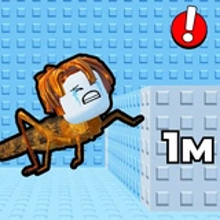
The warning about falls is not just flavor. It is one of the main reasons the game stays tense. If climbing were only about increasing stats and moving upward automatically, the whole thing would lose its edge. But the tower can still punish you. A bad jump, a greedy angle, one careless moment, and suddenly you are back where you do not want to be. That risk is healthy. It gives the vertical progress emotional weight.
This is what keeps the obby part relevant. Your numbers may rise, your jumps may get stronger, and your upgrades may make the whole game feel more generous, but you still have to respect the climb. That balance between growth and actual execution is where the fun sits. The simulator side gives you power. The platform side asks whether you know what to do with it.
And yes, that makes the game a little cruel in the right way. When you are close to a new height record, every platform suddenly feels more serious. That pressure is good. It turns routine movement into something memorable.
𝗧𝗛𝗘 𝗟𝗢𝗢𝗣 𝗜𝗦 𝗘𝗔𝗦𝗬 𝗧𝗢 𝗨𝗡𝗗𝗘𝗥𝗦𝗧𝗔𝗡𝗗, 𝗛𝗔𝗥𝗗 𝗧𝗢 𝗟𝗘𝗔𝗩𝗘 📈
Games like this live or die on whether the player can always see the next reason to continue. +1 Tower Jump Evolution | Obby Mode seems to understand that well. Climb a little more. Gain one more level. Rebirth once. Improve your shoes. Reach a higher zone. Beat one more person on the leaderboard. The game keeps stacking just enough motivation in front of the player to make quitting feel badly timed.
That is why these progression-heavy obby games can be so sticky. They rarely ask for a giant commitment all at once. Instead, they keep offering small, visible improvements that build into something much larger. A few minutes becomes a real session because every step is feeding another system. The tower gives you a visual goal, the upgrades give you a growth goal, and the leaderboard gives you an ego goal. That combination is extremely effective.
𝗪𝗛𝗬 +𝟭 𝗧𝗢𝗪𝗘𝗥 𝗝𝗨𝗠𝗣 𝗘𝗩𝗢𝗟𝗨𝗧𝗜𝗢𝗡 | 𝗢𝗕𝗕𝗬 𝗠𝗢𝗗𝗘 𝗙𝗜𝗧𝗦 𝗞𝗜𝗭𝟭𝟬 𝗦𝗢 𝗪𝗘𝗟𝗟 🏆
This is a strong fit for players who enjoy obby games, jump simulators, rebirth loops, climbing challenges, and progression systems that make movement feel more rewarding over time. On kiz10.com, it stands out because it combines simple controls with a very effective sense of scale. You are always chasing height, but also always building the power needed to make that height less impossible.
If you like games where every small run contributes to a larger climb, where upgrades change the feeling of your movement, and where falling hurts just enough to make success sweeter, this one has a lot going for it. It is energetic, easy to enter, and designed around the kind of satisfying improvement that makes browser simulators very hard to close. Jump, level, rebirth, repeat. The tower is never done with you.





 Share
Share
 Embed
Embed