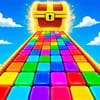
𝗢𝗕𝗕𝗬: 𝗥𝗔𝗜𝗡𝗕𝗢𝗪 𝗕𝗥𝗜𝗗𝗚𝗘 🌈⚡
Obby: Rainbow Bridge takes one simple question and turns it into pure panic in the best possible way: can you find the correct color fast enough before the floor disappears under your feet? That is the whole hook, and it works immediately. You are dropped onto a bright, shifting bridge where color is not decoration. Color is survival. Every few seconds, the game flashes the one tile you need to trust, and if you hesitate, guess wrong, or drift too far from the answer, the void below is more than happy to collect you.
That is what makes this obby game so addictive. It is not only about running forward. It is about reading, remembering, reacting, and moving under pressure. The bridge constantly changes, the danger is immediate, and your brain has just enough time to think before the game demands action. One second you feel clever, calmly picking the right tile like some sort of rainbow genius. The next second the ground vanishes, and you realize your memory had the structural integrity of wet paper.
On Kiz10, this kind of challenge feels perfect because the concept is easy to understand but hard to master. You do not need a huge tutorial. You just need one good round to understand the rhythm: watch the color, move fast, do not trust panic, and definitely do not trust the wrong tile.
𝗖𝗢𝗟𝗢𝗥 𝗜𝗦 𝗧𝗛𝗘 𝗥𝗨𝗟𝗘, 𝗔𝗡𝗗 𝗧𝗛𝗘 𝗥𝗨𝗟𝗘 𝗜𝗦 𝗡𝗢𝗧 𝗡𝗜𝗖𝗘 🎨😵
The genius of Obby: Rainbow Bridge is how much tension it creates from a very basic mechanic. The game shows a color, waits just long enough for your heart to misbehave, and then expects you to move. That is it. No complicated system layered on top. No unnecessary distractions. Just memory and reaction speed under pressure.
And that pressure works because the punishment is so immediate. If you fail, you fall. There is no gentle warning. No helpful second chance floating in from nowhere. The wrong tile becomes a very direct lesson in bad decisions. That clear relationship between choice and consequence is why the gameplay loop stays so sharp. You always know what went wrong. You saw the color too late. You misread it. You remembered the wrong one. You moved too slowly. The game feels fair, but only in the coldest possible way.
That kind of clarity is perfect for an arcade obby. It keeps every failure understandable and every success satisfying. When you make it to the right tile in time, you feel sharp. Quick. In control. Then the next color appears and the whole emotional process starts over again.
𝗧𝗛𝗘 𝗕𝗥𝗜𝗗𝗚𝗘 𝗜𝗦 𝗕𝗥𝗜𝗚𝗛𝗧, 𝗕𝗨𝗧 𝗧𝗛𝗘 𝗠𝗢𝗢𝗗 𝗜𝗦 𝗣𝗨𝗥𝗘 𝗦𝗨𝗥𝗩𝗜𝗩𝗔𝗟 🏃♂️🌈
Even though the visuals are cheerful and full of rainbow energy, the actual feeling of play is much more intense than cute. That contrast is part of the fun. The world looks playful, colorful, and harmless right up until the moment it starts removing the floor beneath people who made one tiny memory mistake. It is adorable psychological warfare.
This bright visual style helps the game feel inviting instead of oppressive. You want to keep trying because the world feels energetic and lively, not heavy or punishing in a gloomy way. The danger is real, but the presentation keeps it approachable. That balance is excellent for a browser game. It makes failure sting, but not in a way that pushes you away. Instead, it makes you laugh a little, blame your memory, and go again.
And the more you play, the more the bridge itself starts to feel like a test of character. Calm players read and move. Nervous players overthink. Overconfident players jump early and disappear dramatically. It is a very colorful truth machine.
𝗠𝗘𝗠𝗢𝗥𝗬 𝗔𝗡𝗗 𝗥𝗘𝗔𝗖𝗧𝗜𝗢𝗡 𝗦𝗣𝗘𝗘𝗗 𝗔𝗥𝗘 𝗬𝗢𝗨𝗥 𝗢𝗡𝗟𝗬 𝗥𝗘𝗔𝗟 𝗪𝗘𝗔𝗣𝗢𝗡𝗦 🧠💨
What makes Obby: Rainbow Bridge more engaging than a simple running game is that it tests two skills at once. First, you need to notice the correct color fast enough. Then, you need to act on that information before time runs out. That creates a nice mental split. It is not enough to be quick if your brain misfiles the information. It is not enough to remember the color if your movement is too slow. You need both.
That combination gives the game a very clean kind of difficulty. It feels like a fair challenge because improvement is obvious. You can get better at noticing the color faster. You can get better at staying calm. You can get better at moving directly instead of wasting time with panic adjustments. Every run teaches you something, even if that something is just “do not blindly trust orange when the answer was actually yellow.”
The best part is how this makes simple rounds feel tense. The game does not need giant maps or a hundred mechanics when one small decision every few seconds is enough to keep your full attention locked in.
𝗟𝗘𝗩𝗘𝗟𝗦 𝗚𝗘𝗧 𝗛𝗔𝗥𝗗𝗘𝗥, 𝗬𝗢𝗨 𝗚𝗘𝗧 𝗦𝗠𝗔𝗥𝗧𝗘𝗥… 𝗠𝗔𝗬𝗕𝗘 📈😅
As you progress, the challenge gets tougher. That is important because a game like this lives on escalation. Once players understand the basic rhythm, the only way to keep the tension alive is to make the bridge more demanding. More complexity, more speed, more pressure. Obby: Rainbow Bridge does exactly that, which helps the whole thing stay engaging beyond the first few successful crossings.
This gradual increase in difficulty also gives the game that lovely arcade structure where mastery feels possible, even when disaster is still happening regularly. You begin by reacting. Later, you start anticipating. You recognize patterns faster, keep the camera under control better, and recover from hesitation more cleanly. The bridge still wants to embarrass you, of course, but at least now you can embarrass yourself with more experience.
And that is one of the best feelings in games like this. The mechanics stay simple, but your relationship with them evolves. What once felt chaotic starts to feel readable. Then the game raises the pressure again and reminds you there is always another level of fast-thinking nonsense waiting ahead.
𝗦𝗞𝗜𝗡𝗦, 𝗘𝗙𝗙𝗘𝗖𝗧𝗦, 𝗔𝗡𝗗 𝗦𝗧𝗬𝗟𝗘 𝗠𝗔𝗞𝗘 𝗧𝗛𝗘 𝗥𝗨𝗡 𝗙𝗘𝗘𝗟 𝗠𝗢𝗥𝗘 𝗬𝗢𝗨𝗥𝗦 👕✨
A nice part of the long-term appeal comes from customization. The wardrobe gives you plenty of character choices, which helps the game feel more playful and personal. You are not stuck as one generic runner forever. You get to build a little identity around your bridge-crossing chaos, and that matters more than people sometimes think. In repeat-heavy arcade games, visual variety helps a lot.
The bright trailing effects are another great touch. They make movement feel more expressive and give your runs a stronger visual punch. Since the game is already built on color and motion, trails fit naturally into the whole experience. They make each sprint across the bridge feel more dramatic, especially when you barely make it to safety and leave a streak of color behind like you definitely planned the whole thing.
This kind of progression also helps soften failure. Even if you fall a lot, you are still collecting style, unlocking options, and building a more personalized version of the experience.
𝗧𝗛𝗘 𝗟𝗨𝗖𝗞𝗬 𝗪𝗛𝗘𝗘𝗟 𝗔𝗗𝗗𝗦 𝗔 𝗡𝗜𝗖𝗘 𝗟𝗜𝗧𝗧𝗟𝗘 𝗥𝗘𝗪𝗔𝗥𝗗 𝗟𝗢𝗢𝗣 🎡🎁
The lucky wheel is a smart addition because it gives players another small reason to come back and keep engaging with the game. A free spin every few minutes adds a little bonus excitement without distracting from the core challenge. It is not the main reason to play, but it supports the overall loop nicely.
Browser games do well when they combine quick fun with tiny extra rewards, and this feature fits that logic perfectly. It gives the whole experience a bit more texture. Between runs, between mistakes, between attempts to prove your memory is stronger than last time, the wheel offers a small burst of surprise that keeps the pace feeling fresh.
And it matches the mood of the game well. Obby: Rainbow Bridge is already colorful, energetic, and a little theatrical. A lucky wheel fits right into that kind of bright, arcade-style world.
𝗠𝗢𝗩𝗘𝗠𝗘𝗡𝗧 𝗦𝗧𝗔𝗬𝗦 𝗦𝗜𝗠𝗣𝗟𝗘, 𝗪𝗛𝗜𝗖𝗛 𝗜𝗦 𝗘𝗫𝗔𝗖𝗧𝗟𝗬 𝗥𝗜𝗚𝗛𝗧 🎮🌉
The controls stay accessible on both PC and mobile, and that is exactly how this kind of game should be. On desktop, you move with WASD and use the mouse to control the camera. On mobile, the on-screen joysticks and jump button keep everything easy to understand. The game does not want to confuse your hands. It wants to test your memory and reaction speed instead.
That clean control setup is important because it keeps every failure honest. When you miss the right tile, it rarely feels like the controls betrayed you. It feels like the bridge outplayed you. Big difference. That honesty is what makes players keep retrying. The game is difficult, but readable. Fast, but understandable. Punishing, but never messy.
It also means the fun starts quickly. You can jump in, understand the rules, and start stressing about colors almost immediately. That is a very good quality for a Kiz10 obby game.
𝗪𝗛𝗬 𝗢𝗕𝗕𝗬: 𝗥𝗔𝗜𝗡𝗕𝗢𝗪 𝗕𝗥𝗜𝗗𝗚𝗘 𝗪𝗢𝗥𝗞𝗦 𝗦𝗢 𝗪𝗘𝗟𝗟 𝗢𝗡 𝗞𝗜𝗭𝟭𝟬 🌟🚀
Obby: Rainbow Bridge succeeds because it turns a tiny mechanic into a full arcade challenge with real tension. The color memory test gives it identity. The disappearing floor gives it stakes. The customization gives it charm. The escalating levels give it longevity. Nothing feels wasted. Everything supports the same fast, bright, slightly cruel idea.
If you enjoy reflex-based obby games, memory challenges, and browser games that punish hesitation in funny, dramatic ways, this one is a strong fit on Kiz10. It is colorful, quick to learn, and surprisingly hard to stop playing once you convince yourself the next round will definitely go better. It might. It might also end in the void again. That is part of the relationship.
Obby: Rainbow Bridge is simple, stylish, and delightfully nerve-wracking. Watch the color. Trust your feet. Do not trust the bridge.





 2.5 (188 votes)
 Share
Share
 Embed
Embed