𝗧𝗛𝗘 𝗥𝗔𝗜𝗟𝗦 𝗟𝗢𝗢𝗞 𝗧𝗛𝗜𝗡. 𝗧𝗛𝗔𝗧 𝗜𝗦 𝗕𝗘𝗖𝗔𝗨𝗦𝗘 𝗧𝗛𝗘𝗬 𝗔𝗥𝗘 😅
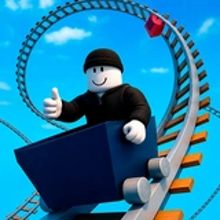
Roller Coaster: Obby Race is the kind of game that understands a very simple truth: speed feels great right up until the exact second it becomes a terrible idea. You start rolling along narrow rails in a minecart, everything seems manageable, and then the track bends hard, the next gap appears, the physics get weird, and suddenly your whole future depends on whether you brake at the right time instead of behaving like a reckless genius for one second too long.
That is exactly why the game works.
This is an obby racing game built around rails, minecart control, and quick reactions, but what makes it fun is the constant tension between momentum and survival. Going fast feels good. It also gets you launched into the void if you stop respecting the track. Going too slow feels safe. It also kills your rhythm and leaves jumps feeling awkward. The whole game lives in that uncomfortable, satisfying middle space where control matters more than courage, but courage is still constantly whispering terrible advice into your ear.
The setup is easy to understand. Reach the finish. Stay on the rails. Get through the dangerous sections without falling apart. That clarity helps a lot, because the real challenge comes from execution, not confusion. The game never hides what it wants from you. It just keeps asking whether you can actually do it.
𝗬𝗢𝗨 𝗔𝗥𝗘 𝗡𝗢𝗧 𝗝𝗨𝗦𝗧 𝗥𝗔𝗖𝗜𝗡𝗚. 𝗬𝗢𝗨 𝗔𝗥𝗘 𝗠𝗔𝗡𝗔𝗚𝗜𝗡𝗚 𝗣𝗔𝗡𝗜𝗖 🎢
The first thing Roller Coaster: Obby Race gets right is the sensation of movement. Minecart games live or die on whether momentum feels meaningful, and here it absolutely does. Every section of rail asks a question. Are you carrying too much speed into this bend? Are you about to lose all your control on the next drop? Are you braking early enough, or are you once again trusting pure optimism to handle a sharp turn? The answer is often funny, and not always in your favor.
What makes the gameplay so addictive is that it always feels like a small balancing act. Accelerate too much and the cart starts feeling unstable. Brake too hard and the flow gets clumsy. The ideal run is not simply the fastest one. It is the cleanest one. The one where you keep enough momentum to survive jumps and tricky sections without letting the physics turn your cart into a dramatic metal mistake. That kind of control feels great when it clicks.
And when it does not click, which happens often and with style, the game is still entertaining. A bad crash is usually your fault in a very visible way. You can almost pinpoint the exact second where the run went from “I have this” to “I absolutely did not have this.” That clarity is important because it makes failure feel sharp, but never random.
𝗦𝗛𝗔𝗥𝗣 𝗧𝗨𝗥𝗡𝗦 𝗔𝗥𝗘 𝗧𝗛𝗘 𝗥𝗘𝗔𝗟 𝗕𝗢𝗦𝗦𝗘𝗦 🛤️
The track design is where Roller Coaster: Obby Race starts showing its personality. Narrow rails are already rude enough, but then the game adds hard corners, sudden drops, awkward jumps, and dangerous sections that punish lazy timing. The rails do not feel like a road. They feel like a challenge written in metal. You are constantly reacting to shape, not just speed.
That is what makes the levels interesting. A straight line would be boring. The real fun comes from the way each track keeps shifting your priorities. One section wants caution. The next wants commitment. Another wants you to jump at the right instant or accept that gravity has already won. These little changes keep the game from turning into a one-note speed test. It is a reflex game, yes, but also a rhythm game in disguise. You learn the flow of the rails. You start understanding when the cart needs patience and when it needs confidence.
Some of the best moments happen when you enter a dangerous curve at exactly the right pace, keep the cart stable, and glide through like the whole thing was easy. It was not easy, of course. The track was trying to embarrass you five seconds earlier. But for one perfect stretch, everything lines up, and that feeling is the reward.
𝗝𝗨𝗠𝗣𝗦 𝗔𝗡𝗗 𝗙𝗨𝗡𝗡𝗬 𝗣𝗛𝗬𝗦𝗜𝗖𝗦 𝗠𝗔𝗞𝗘 𝗘𝗩𝗘𝗥𝗬 𝗥𝗨𝗡 𝗪𝗘𝗜𝗥𝗗𝗘𝗥 🚀
A big part of the appeal comes from the cart physics. The game is not trying to be a dry, perfectly clinical simulation. It wants the movement to feel lively, unstable, and a little dangerous. That gives the jumps and falls much more personality. When the cart hits a crest or launches off a section of track, there is always that tiny moment where you are not fully sure whether the landing will be smooth or whether the minecart is about to decide it no longer believes in rails.
That unpredictability is fun because it makes each run feel slightly physical instead of purely abstract. You can sense weight. You can sense momentum. You can sense when the cart is beginning to fight your decisions instead of obey them. That makes successful landings satisfying and messy crashes memorable. Both outcomes give the game energy.
It also helps that the game understands how funny physics can be. A cart wobbling through a section it really should not survive is entertaining. A perfect jump followed by a disastrous landing is entertaining. A bad turn that sends you off the rails because you got greedy is, after a brief moment of personal disappointment, also entertaining. The game benefits from not taking its own danger too seriously.
𝗗𝗜𝗙𝗙𝗘𝗥𝗘𝗡𝗧 𝗠𝗜𝗡𝗘𝗖𝗔𝗥𝗧𝗦 𝗞𝗘𝗘𝗣 𝗧𝗛𝗘 𝗥𝗨𝗡𝗦 𝗙𝗥𝗘𝗦𝗛 🛒
The unlockable minecarts are a great little progression hook because they give the game more variety without breaking its core appeal. Different handling changes the feel of a run more than people expect. Even small shifts in control can make a familiar track feel new again. A cart that feels lighter might demand smoother braking. A steadier one might let you push harder in sections that used to scare you. That sort of variation matters in a game built on repetition and improvement.
It gives you a reason to come back, not only to beat the next challenge, but to see how a different cart changes your relationship with the track. That is a smart kind of replay value. It does not rely only on bigger numbers or decorative unlocks. It changes the feel of play.
And honestly, that is where the game gets most dangerous. Once you start thinking, “I should test just one more cart on that level,” the session is already gone.
𝗪𝗛𝗬 𝗥𝗢𝗟𝗟𝗘𝗥 𝗖𝗢𝗔𝗦𝗧𝗘𝗥: 𝗢𝗕𝗕𝗬 𝗥𝗔𝗖𝗘 𝗪𝗢𝗥𝗞𝗦 𝗦𝗢 𝗪𝗘𝗟𝗟 𝗢𝗡 𝗞𝗜𝗭𝟭𝟬 🎮
On kiz10.com, Roller Coaster: Obby Race is a great fit for players who enjoy obby racing games, minecart challenges, rail physics games, speed-control arcade titles, and browser games where precision matters more than bravado. It is simple to start, but there is real skill in learning how the tracks behave and how your cart responds when the rails stop being friendly.
The best part is how honest the challenge feels. You are not buried under complex systems. You are given speed, rails, jumps, and consequences. Then the game lets your own timing decide the rest. A good run feels earned because it always could have gone wrong. Usually in a very dramatic way.
Play Roller Coaster: Obby Race on Kiz10 if you want an obby game where every turn matters, every jump feels risky, and every clean finish feels like you wrestled chaos into staying on the rails for just long enough.





 Share
Share
 Embed
Embed