𝗧𝗛𝗘 𝗞𝗘𝗬𝗕𝗢𝗔𝗥𝗗 ⌨️ 𝗜𝗦 𝗡𝗢𝗧 𝗙𝗢𝗥 𝗧𝗬𝗣𝗜𝗡𝗚 𝗔𝗡𝗬𝗠𝗢𝗥𝗘
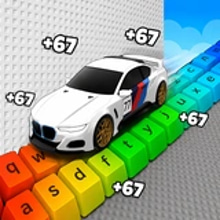
Obby: Supercar Race on a Giant Keyboard starts with a premise that already sounds like a very bad idea in the best possible way: take a giant keyboard, turn it into a racing obstacle course, fill it with cars, upgrades, jumps, and dangerous stages, then ask the player to become absurdly fast. That is exactly the kind of browser-game nonsense that works. It is colorful, immediate, and built around the simple joy of getting stronger every few minutes until the whole map starts feeling smaller than your speed. Kiz10 already features closely related speed-based obby titles such as Obby: +1 Keyboard Speed Escape and Obby: +1 Speed Car Escape, so the giant-keyboard plus progression setup fits naturally into a style the site is already publishing and promoting.
What makes the concept especially good is that it combines two very reliable loops. First, the obby challenge loop: jump, move, dodge, survive, keep going. Second, the upgrade loop: collect better cars, get faster, unlock more, and turn earlier struggles into something you can crush later. Together, those two systems create exactly the kind of momentum-heavy arcade game that is hard to leave alone.
𝗖𝗔𝗥𝗦 🚗 𝗔𝗥𝗘 𝗡𝗢𝗧 𝗝𝗨𝗦𝗧 𝗥𝗘𝗪𝗔𝗥𝗗𝗦, 𝗧𝗛𝗘𝗬 𝗔𝗥𝗘 𝗬𝗢𝗨𝗥 𝗡𝗘𝗫𝗧 𝗣𝗢𝗪𝗘𝗥 𝗦𝗣𝗜𝗞𝗘
A huge part of the appeal here is the car collection system. You are not stuck with one vehicle and one fixed speed forever. Every new car pushes your movement higher and makes future stages more manageable or at least more chaotic in a way that benefits you instead of the map. That kind of visible progression is exactly what makes Roblox-style obby racers so addictive. A stronger car is not just cosmetic. It changes the feel of play. Jumps become easier. Long stretches become more explosive. Areas that once felt slow and frustrating suddenly turn into launch pads for bigger progress.
Kiz10’s Obby: +1 Speed Car Escape uses a very similar speed-stacking progression idea, where you keep building velocity to survive tougher obstacles and push farther through the level. That is a strong sign that this kind of reward structure already performs well with Kiz10 players.
There is also something deeply satisfying about a racing game where improvement is physical. You do not just see a bigger number in a menu. You feel the extra speed every time the car starts tearing across the map like it has developed personal issues with gravity.
𝗦𝗣𝗘𝗘𝗗 ⚡ 𝗜𝗦 𝗧𝗛𝗘 𝗪𝗛𝗢𝗟𝗘 𝗙𝗔𝗡𝗧𝗔𝗦𝗬, 𝗔𝗡𝗗 𝗧𝗛𝗘 𝗚𝗔𝗠𝗘 𝗞𝗡𝗢𝗪𝗦 𝗜𝗧
The title tells you what matters, and the game appears to lean into it completely. This is not a careful simulator about realistic braking and elegant corner entry. It is about acceleration, upgrades, and that excellent arcade feeling where every new milestone lets you move faster than before. That is why the giant keyboard setting matters too. It makes the speed feel silly in a memorable way. A normal road would work, sure, but giant keys, oversized spaces, and weird visual scale make everything feel more playful.
Kiz10’s Obby: +1 Keyboard Speed Escape already shows how effective the giant-keyboard gimmick can be when paired with speed-based progression. There, the game is framed around running across a giant keyboard while building movement speed and pushing through increasingly difficult stages. That overlap is exactly why Obby: Supercar Race on a Giant Keyboard makes sense in the catalog.
And honestly, the keyboard theme adds a nice extra layer of absurdity. It turns what could have been a generic speed map into something much easier to remember. You are not just racing. You are racing across keys the size of roads because apparently normal surfaces were too reasonable.
𝗢𝗕𝗦𝗧𝗔𝗖𝗟𝗘𝗦 🧱 𝗠𝗔𝗧𝗧𝗘𝗥 𝗠𝗢𝗥𝗘 𝗢𝗡𝗖𝗘 𝗬𝗢𝗨 𝗦𝗧𝗔𝗥𝗧 𝗚𝗢𝗜𝗡𝗚 𝗧𝗢𝗢 𝗙𝗔𝗦𝗧
The reason games like this stay interesting is that speed alone is never enough. Once the car gets faster, the obstacles become scarier, not easier. Reaction windows get smaller. Mistakes get louder. A stage that once felt manageable at medium speed becomes dangerous when your upgraded car starts flying into turns and jumps with far more energy than your brain is currently prepared to process. That is exactly the kind of problem a good arcade obby wants to create.
This is where the challenge stays alive. Yes, you are stronger. Yes, the new cars are better. But the track keeps asking for cleaner movement too. Faster does not mean safer. It just means the game gets to test your reflexes at a higher temperature. Kiz10’s Obby Roads works from a similar angle, putting vehicles on narrow floating tracks where precision and speed fight each other constantly. That makes it a useful comparison point for how car-based obby challenges create tension.
A strong run in this kind of game always feels like a balance between confidence and self-control. Too timid, and the progression feels wasted. Too aggressive, and the next obstacle becomes a public lesson.
𝗨𝗣𝗚𝗥𝗔𝗗𝗘𝗦 🔥 𝗔𝗡𝗗 𝗥𝗘𝗕𝗜𝗥𝗧𝗛 𝗧𝗨𝗥𝗡 𝗦𝗛𝗢𝗥𝗧-𝗧𝗘𝗥𝗠 𝗣𝗢𝗪𝗘𝗥 𝗜𝗡𝗧𝗢 𝗟𝗢𝗡𝗚-𝗧𝗘𝗥𝗠 𝗢𝗕𝗦𝗘𝗦𝗦𝗜𝗢𝗡
The rebirth system is one of the clearest signs that this game is built for long-term progression, not just a one-off race. Rebirth mechanics in browser obby games usually work because they reset part of the climb while rewarding you with permanent bonuses, and that gives players a reason to loop back through earlier content without feeling like they are starting from zero. The description here points directly toward that structure. Get fast, clear more, rebirth, come back stronger, and push your speed ceiling even higher.
That kind of loop is extremely sticky. It turns progress into layers instead of a straight line. Kiz10’s speed-heavy obby games like Obby: +1 Speed Car Escape and Obby: +1 Keyboard Speed Escape already lean on similar escalation logic, where upgrades fuel bigger jumps in movement and harder stages reward players who keep stacking improvement.
The important thing is that permanent bonuses make every run matter. Even when you hit a wall, the game gives you a reason to go again because the next climb should feel better than the last one. That is exactly how browser progression games earn repeat sessions.
𝗥𝗔𝗥𝗘 🏎️ 𝗦𝗨𝗣𝗘𝗥𝗖𝗔𝗥𝗦 𝗚𝗜𝗩𝗘 𝗧𝗛𝗘 𝗚𝗥𝗜𝗡𝗗 𝗦𝗢𝗠𝗘 𝗣𝗘𝗥𝗦𝗢𝗡𝗔𝗟𝗜𝗧𝗬
Another nice part of the fantasy is that the cars are framed as something collectible and aspirational, not just disposable stat upgrades. Rare supercars matter because they give the player something specific to want. Speed is a broad reward. A rare car is a personal one. It gives the grind character. You are not only increasing movement efficiency. You are chasing the vehicle that looks and feels like your version of success.
That matters more than people think. Progression games tend to work best when they offer both mechanical reward and identity reward. A faster car helps you clear stages. A rarer car makes the progress feel yours.
𝗖𝗢𝗟𝗢𝗥𝗙𝗨𝗟 🌈 𝗩𝗜𝗦𝗨𝗔𝗟𝗦 𝗔𝗡𝗗 𝗦𝗜𝗠𝗣𝗟𝗘 𝗖𝗢𝗡𝗧𝗥𝗢𝗟𝗦 𝗞𝗘𝗘𝗣 𝗧𝗛𝗘 𝗙𝗢𝗖𝗨𝗦 𝗢𝗡 𝗠𝗢𝗩𝗘𝗠𝗘𝗡𝗧
The control setup is exactly what a game like this should use: movement with WASD or arrow keys, mouse look, jump, and zoom. That is enough. The challenge should come from the course, the speed, and the upgrade loop, not from wrestling the interface. Kiz10’s other obby entries in this lane use the same kind of accessible movement-first structure, which is one reason they are easy to jump into even when the later challenges get much harder.
The colorful presentation also matters because it keeps the whole experience light and readable. A speed-obstacle game becomes much easier to enjoy when the spaces are easy to parse and the tone stays playful instead of muddy or over-serious. Kiz10’s recent obby catalog consistently leans into bold, readable visuals for exactly that reason.
𝗪𝗛𝗬 🏁 𝗢𝗕𝗕𝗬: 𝗦𝗨𝗣𝗘𝗥𝗖𝗔𝗥 𝗥𝗔𝗖𝗘 𝗢𝗡 𝗔 𝗚𝗜𝗔𝗡𝗧 𝗞𝗘𝗬𝗕𝗢𝗔𝗥𝗗 𝗙𝗜𝗧𝗦 𝗞𝗜𝗭10
This game fits Kiz10 because it lands right at the intersection of several trends the site is already supporting: obby progression, speed stacking, car-based challenge maps, and bright browser-friendly arcade design. Kiz10 already publishes directly adjacent games like Obby: +1 Keyboard Speed Escape, Obby: +1 Speed Car Escape, Obby Roads, Obby Driving: 1-2 Players, and Obby: Drive your Car as Far as Possible, all of which show that players on the site already respond to vehicle-and-speed obby hybrids.
If you enjoy progression racers, Roblox-style obby games, giant-scale novelty maps, and browser titles where every upgrade makes the next stretch feel faster, sillier, and more dangerous, this one has all the right ingredients. It takes a ridiculous setting, a clear growth loop, and a simple control scheme, then turns them into exactly the kind of “one more upgrade” machine that works very well on Kiz10.





 Share
Share
 Embed
Embed