𝗧𝗛𝗘 𝗛𝗢𝗨𝗦𝗘 𝗜𝗦 𝗙𝗨𝗟𝗟 𝗢𝗙 𝗧𝗥𝗘𝗔𝗦𝗨𝗥𝗘, 𝗔𝗡𝗗 𝗦𝗢 𝗜𝗦 𝗬𝗢𝗨𝗥 𝗕𝗔𝗗 𝗝𝗨𝗗𝗚𝗠𝗘𝗡𝗧 🏠💰
Obby: Steal Everything is the kind of game that looks playful for about five seconds and then suddenly turns you into a shameless little loot goblin with a full business plan. You start with one goal, break into houses, grab anything valuable, and haul it back to your mansion. Easy. Harmless. Totally under control. Then you notice that the bigger objects pay better, faster movement changes everything, your base can be upgraded, other thieves exist, and now the whole thing stops feeling like a silly heist toy and starts feeling like a full-time criminal economy.
That is exactly why it works.
This is an obby game with strong tycoon and collection mechanics, but what makes it addictive is the way each successful robbery feeds the next one. You do not steal just to laugh at the giant fridge you are dragging across the yard, although that part is genuinely funny. You steal to make money. You make money to move faster. You move faster to steal bigger things. Bigger things fund a stronger base. A stronger base protects your loot and opens more space for growth. It is a very clean loop, and once it gets going, it becomes absurdly hard to step away.
There is also something wonderfully shameless about the whole fantasy. You are not pretending to be subtle, elegant, or morally complicated. You are here to take the television, the statue, the couch if possible, and anything else that looks expensive enough to justify the trip.
𝗚𝗢 𝗜𝗡, 𝗚𝗥𝗔𝗕 𝗦𝗢𝗠𝗘𝗧𝗛𝗜𝗡𝗚 𝗛𝗘𝗔𝗩𝗬, 𝗥𝗨𝗡 𝗟𝗜𝗞𝗘 𝗜𝗧 𝗜𝗦 𝗡𝗢𝗥𝗠𝗔𝗟 🛋️
The core gameplay is beautifully direct. You enter houses, pick up furniture, electronics, rare artifacts, and whatever else looks valuable, then carry the loot back to your mansion and drop it on the proper platform for cash. That simplicity is one of the best things about the game. There is no confusing setup phase where the fun hides behind menus. The fun starts the moment you realize that yes, you really are expected to run out of someone else’s house while holding a giant object and hoping nobody interrupts your excellent life choices.
What makes that loop satisfying is the physicality of it. The stolen items are not abstract rewards floating magically into your inventory. You carry them. You drag them. You commit to the weight of your greed. That gives every run a little extra drama. A small item might be quick and safe. A big expensive one feels riskier, slower, more dangerous, and much more tempting. That tension keeps the game lively, because every theft becomes a tiny decision about risk versus reward.
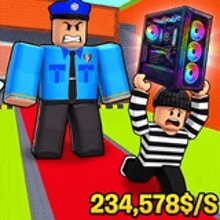
And the bigger the object, the funnier the whole thing gets. There is just something deeply entertaining about watching a would-be master thief making a desperate getaway while hauling an entire appliance like this is a perfectly reasonable plan.
𝗠𝗢𝗡𝗘𝗬 𝗧𝗨𝗥𝗡𝗦 𝗦𝗜𝗟𝗟𝗬 𝗛𝗘𝗜𝗦𝗧𝗦 𝗜𝗡𝗧𝗢 𝗥𝗘𝗔𝗟 𝗣𝗥𝗢𝗚𝗥𝗘𝗦𝗦 ⚡
A lesser game might stop at the stealing. Obby: Steal Everything gets much stronger because the money actually matters. Every successful trip feeds the upgrade system, and that is where the real addiction begins. Speed upgrades are especially important because they change the entire feeling of the game. Early on, carrying heavy loot feels clumsy and slow. Later, once you have invested properly, the same run becomes smoother, faster, and far more profitable.
That progression is incredibly satisfying because you feel it immediately. Better speed does not sit quietly in a menu asking you to imagine how useful it is. You run faster. You escape better. You grab more expensive items with less pain. The whole pace of the game changes. That instant payoff is one of the main reasons the loop works so well.
Unlocking new houses is another great hook. It gives your growth a visible frontier. Bigger targets, better rewards, more interesting loot. The world expands as your greed becomes more capable, which is honestly a very respectable kind of design. It means every upgrade has a purpose beyond making the current map easier. It pushes you toward the next level of nonsense.
𝗬𝗢𝗨𝗥 𝗠𝗔𝗡𝗦𝗜𝗢𝗡 𝗜𝗦 𝗡𝗢𝗧 𝗝𝗨𝗦𝗧 𝗔 𝗕𝗔𝗦𝗘. 𝗜𝗧 𝗜𝗦 𝗔 𝗧𝗥𝗘𝗔𝗦𝗨𝗥𝗘 𝗣𝗥𝗢𝗕𝗟𝗘𝗠 🏰
One of the smartest parts of Obby: Steal Everything is that it does not let your base become a boring storage box. Your mansion matters. It is where your progress lives, and that means it also becomes a target. Other thieves can come after your fortune while you are busy building your own empire, which adds a great layer of pressure to the whole experience.
That is where defense becomes important. Suddenly the game is not only about stealing well. It is about protecting what you already stole. That shift gives the tycoon side much more personality. You are building wealth, yes, but you are also building security. A successful base needs both. Without protection, all that glorious criminal hard work can start slipping away.
This extra layer keeps the game from flattening into a one-way loop. It creates a nice cycle of offense and defense. Raid, return, upgrade, defend, repeat. That balance makes the world feel more alive, because you are not the only threat on the map. Everyone else is looking for profit too, and that means your mansion starts feeling like something worth caring about instead of just a checkpoint between robberies.
𝗧𝗛𝗘 𝗕𝗘𝗦𝗧 𝗥𝗨𝗡𝗦 𝗔𝗥𝗘 𝗔 𝗠𝗜𝗫 𝗢𝗙 𝗚𝗥𝗘𝗘𝗗, 𝗦𝗣𝗘𝗘𝗗, 𝗔𝗡𝗗 𝗢𝗡𝗟𝗬 𝗦𝗟𝗜𝗚𝗛𝗧𝗟𝗬 𝗧𝗢𝗢 𝗠𝗨𝗖𝗛 𝗖𝗢𝗡𝗙𝗜𝗗𝗘𝗡𝗖𝗘 😅
The game shines most when you start making choices that feel just a little too ambitious. The small item is safe. The giant expensive item is dangerous. The smart player probably takes the safer option sometimes. The fun player almost always starts eyeing the bigger reward and inventing reasons why carrying a gold statue through a contested area is absolutely worth it. That kind of decision-making is where Obby: Steal Everything becomes more than a simple grab-and-run sim.
You are always judging value, distance, and risk. Is the item worth the time it takes to haul? Is your speed high enough to make this worthwhile? Can you get back before another thief becomes a problem? Those questions give the game a nice strategic texture without making it feel heavy or overly serious. It stays playful, but there is enough thought in the loop to keep it interesting long after the joke of stealing furniture wears off.
And because the rewards scale so well, greed usually gets paid. Not always. But often enough to keep you making bad, entertaining choices. Which is exactly what a good arcade tycoon game should encourage.
𝗪𝗛𝗘𝗡 𝗬𝗢𝗨 𝗚𝗘𝗧 𝗙𝗔𝗦𝗧𝗘𝗥, 𝗧𝗛𝗘 𝗪𝗛𝗢𝗟𝗘 𝗚𝗔𝗠𝗘 𝗚𝗘𝗧𝗦 𝗕𝗘𝗧𝗧𝗘𝗥 🚀
A lot of the fun here comes from how clearly the game shows your growth. Early runs can feel awkward. You are slow, the loot feels heavy, and every robbery seems to take forever. Then the upgrades begin stacking and everything changes. Movement becomes cleaner. Trips become shorter. Big-ticket targets stop feeling impossible. You start thinking bigger because the game gives you tools to support bigger decisions.
That visible improvement is one of the strongest parts of the experience. You can feel your thief getting more capable, your mansion getting more important, and your whole operation becoming more dangerous to everyone else around you. Progress is never hidden. It lives in the pace of the run, in the quality of the loot, and in the growing confidence with which you commit crimes made of terrible but profitable ideas.
On Kiz10, Obby: Steal Everything is a great fit for players who enjoy robbery sims, obby games, upgrade loops, loot-collection tycoons, and browser experiences that mix silliness with a strong progression hook. It is simple to start, funny to watch, and dangerously good at making every next upgrade feel essential.
Play Obby: Steal Everything on Kiz10 if you want a game where every house is a shopping trip with zero permission, every upgrade makes the heists smoother, and every successful haul brings you one step closer to becoming the richest thief in the neighborhood.





 2.5 (178 votes)
 Share
Share
 Embed
Embed